If you’ve been dealing with nagging back pain, shooting leg discomfort, or the relentless ache of a disc problem, you’ve probably started searching for solutions beyond painkillers and temporary fixes. Spinal decompression in Fort Worth is one of those options that more and more patients are turning to — and for good reason. It’s a non-invasive, drug-free approach that targets the root mechanical causes of spinal pain rather than masking symptoms. At Cityview Chiropractic in Fort Worth, TX, Dr. Steve Sanders uses spinal decompression therapy as part of a broader, personalized care plan to help patients get real, lasting relief. This article walks you through exactly what spinal decompression is, who it helps, and what you can expect if you’re considering it.
What Is Spinal Decompression Therapy?
Spinal decompression therapy is a motorized traction technique that gently stretches the spine to relieve pressure on compressed discs and nerves. By creating negative intradiscal pressure, it helps draw herniated or bulging disc material back toward the center and encourages nutrient-rich fluid to flow back into damaged disc tissue, supporting the body’s natural healing process.
- What Is Spinal Decompression?
- Conditions That May Benefit From Spinal Decompression
- What to Expect During a Session
- How Chiropractic Care Fits Into Your Treatment Plan
- Practical Tips to Support Your Recovery
- When to See a Chiropractor About Spinal Pain
- Spinal Decompression vs. Other Common Approaches
- Myths vs. Facts About Spinal Decompression
- Final Thoughts From Cityview Chiropractic
- Frequently Asked Questions
- TL;DR Summary
What Is Spinal Decompression and How Does It Work?
The spine is an incredible structure — it supports your entire body, protects your spinal cord, and allows you to move in almost every direction. But over time, or after an injury, the discs that sit between your vertebrae can break down, bulge, or herniate. When that happens, nearby nerves get compressed, and the result can be anything from dull, persistent back pain to sharp, radiating leg pain or weakness.
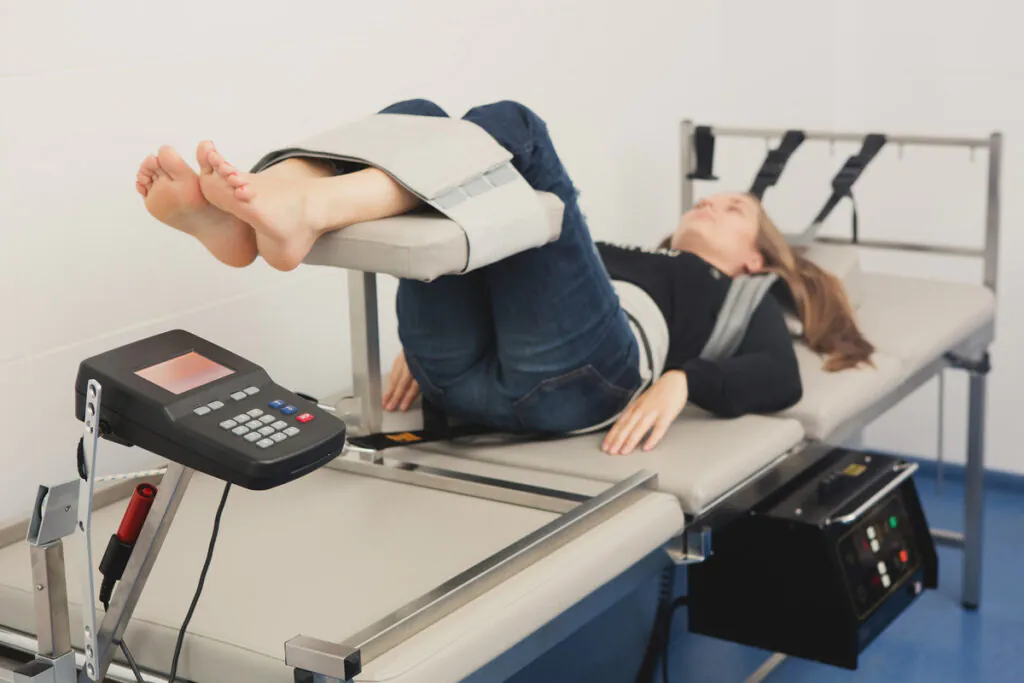
Spinal decompression therapy works by applying controlled, intermittent traction to the spine. You lie comfortably on a specialized table, and the system uses a computerized, cyclical pulling motion to gently stretch and relax the spine in an alternating rhythm. This rhythmic movement creates a vacuum-like effect inside the disc, which can help retract bulging tissue and allow fluids, oxygen, and nutrients back into the disc space. Think of a dry sponge absorbing water — that’s roughly what’s happening at the disc level during decompression.
It’s important to distinguish this from simple traction, which has been around for decades. Modern spinal decompression uses precise, computer-controlled settings tailored to your body’s specific needs, making it far more targeted and comfortable than older methods. At Cityview Chiropractic in Fort Worth, the spinal decompression therapy protocol is carefully customized for each patient by Dr. Steve Sanders based on your diagnosis, health history, and treatment goals.
Conditions That May Benefit From Spinal Decompression in Fort Worth
Spinal decompression isn’t a one-size-fits-all treatment, but it has been shown to help a wide range of conditions rooted in disc-related or nerve compression problems. Here are some of the most common issues that bring patients to Cityview Chiropractic seeking this type of care.
Herniated and Bulging Discs
A herniated disc is one of the primary candidates for spinal decompression therapy. When disc material pushes out of its normal boundary and presses on a nerve, pain can be intense and persistent. Decompression works to reduce that pressure directly at the source, which is why many patients with disc injuries respond well to this approach.
Sciatica
Sciatica is that familiar shooting pain that runs from the lower back through the buttock and down one or both legs. It’s typically caused by nerve compression in the lumbar spine — often due to a disc problem or a narrowing of the spinal canal. If you’ve been researching sciatica treatment in Fort Worth, spinal decompression may be one of the most effective conservative options available. By relieving the mechanical pressure on the sciatic nerve root, decompression can significantly reduce the intensity and frequency of sciatica flare-ups.
Degenerative Disc Disease
As we age, our spinal discs lose height and hydration. This natural process, called degenerative disc disease, can lead to chronic low back pain and stiffness. Spinal decompression helps by drawing moisture and nutrients back into dehydrated discs, potentially slowing degeneration and reducing associated pain.
Neck Pain and Cervical Disc Problems
Decompression isn’t just for the lower back. Many patients dealing with chronic neck pain or cervical disc herniations find relief through cervical decompression protocols as well. When nerves in the neck are compressed, symptoms can include arm numbness, tingling, or headaches — all of which can be addressed as part of a comprehensive care plan.
Pinched Nerves
A pinched nerve anywhere along the spine can create debilitating discomfort. Whether it’s in the cervical, thoracic, or lumbar region, spinal decompression helps create space for the nerve to heal by reducing the mechanical load pressing against it.
What to Expect During a Spinal Decompression Session at Cityview Chiropractic
One of the most common questions Dr. Steve Sanders hears from new patients is: “Is it going to hurt?” The answer is almost always no. Most patients describe spinal decompression as relaxing — some even fall asleep during their session. That said, knowing what to expect ahead of time can help ease any nervousness you might feel walking in for the first time.
Before your first session, Dr. Sanders will conduct a thorough evaluation. This typically includes a health history review, orthopedic and neurological testing, and often a review of any imaging you may already have (like X-rays or MRI results). This step is essential because spinal decompression is not appropriate for everyone, and Dr. Sanders takes that responsibility seriously. Certain conditions — including fractures, severe osteoporosis, spinal instability, or pregnancy — may make decompression unsuitable.
Once you’re cleared and your treatment plan is set, here’s what a typical session looks like. You’ll be fitted with a harness or pelvic support, depending on whether you’re receiving lumbar or cervical decompression. You’ll lie on the decompression table — which is padded and comfortable — and the device will begin its slow, rhythmic cycle of gentle pulling and releasing. Sessions typically last between 20 and 45 minutes. You’ll likely feel a gentle stretching sensation, and most people find it genuinely comfortable.
A full course of spinal decompression therapy at Cityview Chiropractic in Fort Worth usually involves multiple sessions over several weeks. Consistency matters here — just like physical therapy, the cumulative effect of repeated treatment sessions builds on itself. Dr. Sanders will monitor your progress throughout and adjust your plan as needed.
How Chiropractic Care Fits Into Your Spinal Decompression Treatment Plan
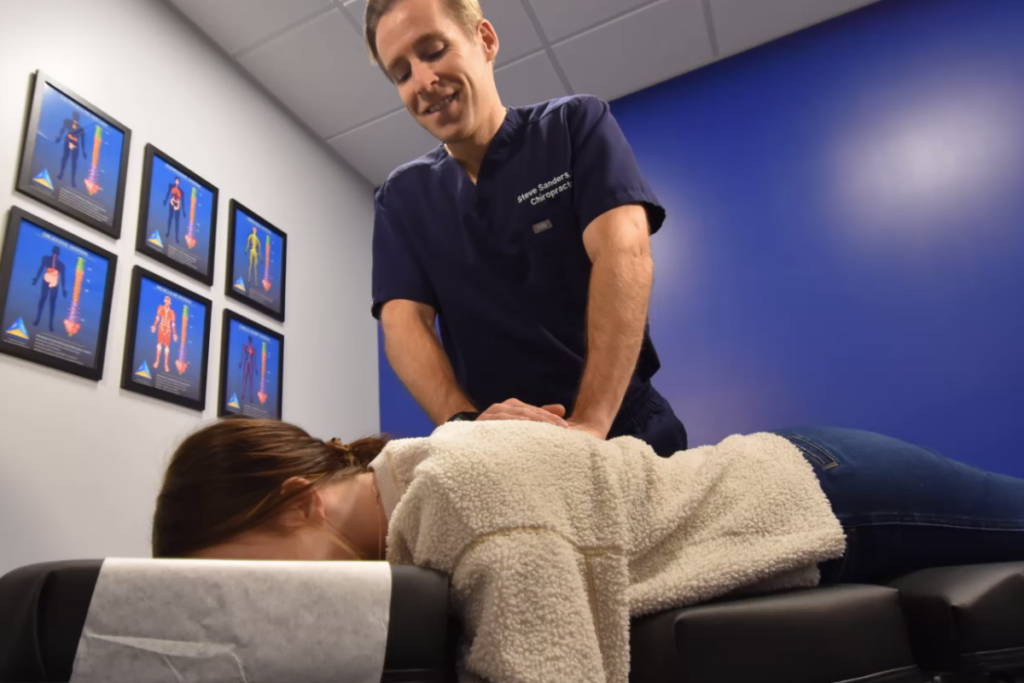
Spinal decompression is rarely used in isolation at Cityview Chiropractic. Dr. Steve Sanders believes in treating the whole person, which means decompression is typically paired with chiropractic adjustments, rehabilitative exercises, and other supportive care strategies. This integrated approach helps address not just the disc or nerve issue, but also the muscular imbalances and joint dysfunctions that often accompany spinal pain.
For example, chiropractic care helps restore proper joint mechanics so that the spine is better positioned to benefit from decompression. When your vertebrae are moving and aligned as they should be, the decompression forces are applied more effectively and comfortably. Similarly, physical therapy modalities may be incorporated to strengthen the muscles supporting the spine, reducing the likelihood of re-injury once decompression treatment is complete.
If your spinal pain developed after a car accident, it’s worth noting that disc injuries and nerve compression are extremely common in these cases — even when they don’t show up right away. The team at Cityview Chiropractic also provides auto injury chiropractic care for Fort Worth residents who are recovering from collision-related trauma, and spinal decompression can be an important part of that recovery process.
Spinal health also doesn’t exist in a vacuum from overall wellness. Dr. Sanders incorporates wellness chiropractic care principles into every patient’s long-term plan — because preventing re-injury and maintaining spinal function is just as important as resolving the immediate problem.
Practical Tips to Support Your Spinal Decompression Recovery
What you do outside of your appointments matters just as much as the treatment itself. Dr. Steve Sanders routinely counsels Cityview Chiropractic patients on the lifestyle habits that support spinal healing — and the ones that can slow it down.
Staying well-hydrated is one of the simplest and most underrated things you can do for your discs. Spinal discs are made up largely of water, and they need consistent hydration to maintain their height and shock-absorbing capacity. Aim for at least eight glasses of water per day, particularly during active decompression treatment.
Movement is medicine, but the right kind matters. Avoid prolonged sitting, especially during your treatment period. If your job requires you to sit for long stretches, get up and walk for a few minutes every 30 to 45 minutes. For a deeper understanding of why sitting worsens spinal pain, check out this helpful article on why back pain gets worse after sitting.
Sleep position also plays a role. Sleeping on your side with a pillow between your knees reduces torsional stress on the lumbar spine and allows your discs to recover overnight. Avoid sleeping on your stomach, which forces your neck into rotation and compresses lumbar structures.
Gentle walking is often the best low-impact exercise during recovery. It promotes circulation, supports disc nutrition, and keeps the surrounding muscles active without loading the spine excessively. Avoid high-impact activities like running or heavy lifting during your active treatment phase unless Dr. Sanders clears you for them.
When to See a Chiropractor About Spinal Pain
Many people wait far too long before seeking care for back pain — often until the discomfort becomes truly unmanageable. The earlier you seek evaluation, the more options you typically have for conservative treatment. If your pain has been present for more than a week or two, is affecting your daily life, or is accompanied by leg numbness, tingling, or weakness, it’s time to get evaluated.
Spinal decompression in Fort Worth may be appropriate if you’ve been diagnosed with a herniated disc, degenerative disc disease, sciatica, or facet syndrome, and haven’t found lasting relief from other conservative measures. Dr. Steve Sanders at Cityview Chiropractic will determine whether you’re a good candidate during your initial evaluation.
There are also situations where you should seek more urgent medical attention rather than starting decompression therapy. These include bowel or bladder dysfunction (which may indicate cauda equina syndrome), severe progressive neurological weakness, unexplained weight loss alongside spinal pain, or a history of spinal cancer. These are red flags that require immediate medical evaluation. Dr. Sanders is trained to recognize these scenarios and will always refer appropriately when necessary.
Spinal Decompression vs. Other Common Approaches
| Approach | Invasiveness | Addresses Root Cause? | Recovery Time | Best For |
|---|---|---|---|---|
| Spinal Decompression Therapy | Non-invasive | Yes — targets disc and nerve compression | Minimal to none | Disc herniations, sciatica, degenerative disc disease |
| Pain Medication | Non-invasive | No — symptom management only | N/A | Short-term symptom relief |
| Epidural Steroid Injection | Minimally invasive | Partially — reduces inflammation temporarily | 1–2 days rest recommended | Temporary relief for nerve inflammation |
| Spinal Surgery (e.g., discectomy) | Highly invasive | Yes — removes or repairs disc material | Weeks to months | Severe cases unresponsive to conservative care |
| Chiropractic Adjustments Alone | Non-invasive | Yes — restores joint mechanics | Minimal | Joint dysfunction, mild to moderate disc issues |
Myths vs. Facts About Spinal Decompression
Myth: Spinal Decompression Is Just Fancy Traction
Fact: While both involve stretching the spine, modern spinal decompression uses computerized, variable tension cycles that are far more precise and targeted than traditional static traction. The intermittent, rhythmic nature of decompression is specifically designed to prevent muscle guarding and create the negative intradiscal pressure needed to promote disc healing — something basic traction doesn’t reliably achieve.
Myth: The Treatment Is Painful
Fact: The vast majority of patients find spinal decompression to be comfortable and even relaxing. The table moves slowly and rhythmically, and the forces applied are controlled and gentle. If any discomfort is felt, the session can be immediately adjusted. Dr. Steve Sanders ensures each patient’s settings are appropriate for their specific condition and comfort level.
Myth: You Only Need One or Two Sessions to Fix the Problem
Fact: Spinal decompression is a therapeutic process that works cumulatively. Most treatment plans at Cityview Chiropractic involve multiple sessions over several weeks. Disc injuries and nerve compression took time to develop, and real healing requires consistent, repeated treatment combined with appropriate supportive care.
Myth: Spinal Decompression Is Only for Older Adults
Fact: While degenerative disc disease is more common with age, disc herniations and spinal nerve compression can affect people of all ages — including younger adults and athletes. Spinal decompression in Fort Worth is used across a wide range of age groups when clinically appropriate.
Myth: If Surgery Has Been Recommended, Decompression Won’t Help
Fact: Many patients who have been told surgery may be needed choose to try conservative care first — and a meaningful number find sufficient relief without ever going under the knife. That said, decompression is not always an alternative to surgery, and some cases genuinely do require surgical intervention. Dr. Sanders will always give you an honest, thorough assessment of your options.
Final Thoughts From Cityview Chiropractic in Fort Worth
Living with disc pain, sciatica, or chronic spinal compression is exhausting — physically and emotionally. The good news is that you have real options that don’t require surgery or long-term medication dependence. Spinal decompression in Fort Worth, when delivered by an experienced chiropractor and integrated into a thoughtful treatment plan, can make a meaningful difference in how you feel and how you function.
At Cityview Chiropractic, Dr. Steve Sanders and the care team are committed to helping Fort Worth residents understand their spinal health and take an active role in their recovery. Whether you’re dealing with a recent disc injury or a long-standing issue that’s never fully resolved, a thorough evaluation is the best first step. Fort Worth deserves access to conservative, evidence-informed spinal care — and that’s exactly what Cityview Chiropractic is here to provide.
If you’ve been searching for spinal decompression in Fort Worth and want to know whether it’s right for you, we’d encourage you to reach out to Cityview Chiropractic. An honest evaluation from Dr. Sanders will give you a clear picture of your options so you can make the best decision for your health.
Frequently Asked Questions
How many spinal decompression sessions will I need?
The number of sessions varies depending on your diagnosis, severity of symptoms, and how your body responds to treatment. Many patients at Cityview Chiropractic undergo treatment plans ranging from 12 to 20 sessions over several weeks. Dr. Steve Sanders will reassess your progress regularly and adjust the plan accordingly.
Is spinal decompression covered by insurance?
Coverage for spinal decompression therapy varies widely by insurance provider and plan. It’s best to contact your insurance company directly or speak with the front desk at Cityview Chiropractic in Fort Worth to get accurate information about your specific benefits and coverage options.
Can spinal decompression help after a failed back surgery?
Post-surgical patients are evaluated on a case-by-case basis. In some situations, decompression may be appropriate; in others, the hardware or structural changes from surgery may make it unsuitable. Dr. Sanders will review your surgical history and imaging before making any recommendation.
What is the difference between cervical and lumbar spinal decompression?
Cervical decompression targets the neck region and is used for disc problems or nerve compression in the upper spine. Lumbar decompression focuses on the lower back, which is the more commonly treated area. The table setup, harness, and traction angles differ between the two, and Dr. Steve Sanders tailors each protocol to the patient’s specific spinal region and condition.
Are there any side effects from spinal decompression therapy?
Most patients experience little to no side effects. Some individuals feel mild muscle soreness after their first few sessions as the body adjusts to the new forces being applied. This typically subsides quickly. Serious adverse effects are rare when proper screening and patient selection are performed.
How do I know if I’m a good candidate for spinal decompression in Fort Worth?
The best way to find out is through a thorough clinical evaluation with Dr. Steve Sanders at Cityview Chiropractic. Ideal candidates generally have disc-related diagnoses such as herniations, bulges, or degenerative disc disease, and have not yet had satisfactory relief from other conservative treatments. Certain conditions may disqualify a patient, which is why professional evaluation is always the first step.
TL;DR Summary
- Spinal decompression therapy is a non-invasive, computerized traction technique that relieves pressure on compressed spinal discs and nerves — making it a strong conservative option for conditions like herniated discs, sciatica, and degenerative disc disease.
- At Cityview Chiropractic in Fort Worth, Dr. Steve Sanders integrates spinal decompression into personalized treatment plans that may also include chiropractic adjustments, physical therapy, and wellness care.
- Sessions are typically comfortable and pain-free, lasting between 20 and 45 minutes, with a full treatment course spanning several weeks for best results.
- Lifestyle habits like staying hydrated, avoiding prolonged sitting, and sleeping in a supportive position play an important role in supporting your recovery between sessions.
- If you’re experiencing persistent back pain, leg pain, neck pain, or numbness, a professional evaluation with Dr. Sanders at Cityview Chiropractic is the best first step to understanding your options.