When you experience a sports injury, it's easy to brush it off or assume it'll heal on its own. However, seeking care sooner rather than later can greatly impact your recovery and future performance. By understanding the importance of early diagnosis, personalized rehabilitation, and specialized care, you can not only address your current injury but also prevent long-term complications. You may be surprised at how much proper treatment can enhance your overall athletic abilities and well-being. What are the key reasons you should prioritize care for that nagging injury?
Early Diagnosis and Treatment
When you experience a sports injury, getting an early diagnosis and treatment is essential for a quick recovery. The sooner you seek medical attention, the better your chances of minimizing pain and preventing further damage. Ignoring symptoms or waiting too long can lead to complications that extend your downtime.
After an injury, listen to your body. If you feel persistent pain, swelling, or instability, don't hesitate to consult a healthcare professional. They can assess your condition using various methods, such as physical examinations or imaging tests like X-rays or MRIs. Early diagnosis allows for targeted treatment plans tailored to your specific injury.
Once diagnosed, you'll likely receive recommendations for treatment options. These may include rest, ice, compression, and elevation (RICE) for minor injuries. Your doctor might also suggest physical therapy or prescribe medications to manage pain and inflammation.
By starting treatment promptly, you can speed up healing and get back to your favorite sport sooner.
Moreover, early intervention can help you understand the injury's severity, guiding your rehabilitation process. You might also receive advice on modifying your activities to avoid aggravating the injury while it heals.
Prevention of Long-Term Damage
Preventing long-term damage from sports injuries is vital for maintaining your overall fitness and performance. When you sustain an injury, it's important to address it promptly and effectively. Ignoring pain or delaying treatment can lead to chronic problems that may hinder your athletic abilities in the future. By seeking care early, you can greatly reduce the risk of lasting damage.
One of the key aspects of prevention is understanding the nature of your injury. Whether it's a sprain, strain, or fracture, recognizing the severity allows you to follow the right recovery plan. Adhering to prescribed rehabilitation exercises not only helps in recovery but also strengthens the affected area, reducing the likelihood of re-injury.
Additionally, you should focus on proper technique and body mechanics during your sport. Poor form can place undue stress on your body, increasing your chances of injury. Work with a coach or trainer to make sure you're using the correct techniques.
Don't forget the importance of rest and recovery. Overworking your body can lead to fatigue and increase injury risk. Incorporating rest days and active recovery into your routine will help you maintain peak performance and prevent wear and tear.
Finally, consider investing in preventive care, such as physical therapy or regular check-ups. These proactive measures can help identify weaknesses before they become serious issues. By taking these steps, you can protect your body and promote a longer, healthier athletic career.
Enhanced Recovery Time
To enhance your recovery time after a sports injury, it's important to implement a structured plan that includes proper rest, rehabilitation, and nutrition. Resting is imperative; it allows your body to heal and reduces the risk of re-injury. Make sure you listen to your body and avoid pushing through pain, as this could prolong your recovery.
Rehabilitation plays a notable role in your overall recovery. Engaging in light exercises and stretches, as advised by a healthcare professional, helps maintain flexibility and strength. Don't underestimate the importance of gradual progression; it's crucial to build back your strength without overexerting yourself. Starting with low-impact activities can keep you active while minimizing strain on your injured area.
Nutrition also greatly impacts your healing process. Eating a balanced diet rich in vitamins, minerals, and protein fuels your body's recovery. Focus on foods that promote healing, such as lean meats, fruits, vegetables, and whole grains. Staying hydrated is equally important; water supports various bodily functions and helps your body flush out toxins.
Lastly, consider seeking professional guidance. Healthcare providers can give you tailored advice based on your specific injury and physical condition. They can monitor your progress and adjust your recovery plan as needed, ensuring you're on the right track.
Personalized Rehabilitation Plans
Creating a personalized rehabilitation plan is fundamental for effective recovery from a sports injury. Your body is unique, and so is your injury. A one-size-fits-all approach may not address your specific needs or circumstances. By working with a healthcare professional, you can develop a plan tailored to your injury, physical condition, and specific sport.
First, your rehabilitation plan should include a thorough assessment of your injury. This helps identify the severity and type of injury, which informs the recovery process. Once you have a clear understanding, your plan can incorporate exercises that focus on strength, flexibility, and mobility, all essential for healing and preventing future injuries.
You'll also want to establish realistic goals. Setting achievable short-term and long-term objectives keeps you motivated and on track. Regular evaluations and adjustments to your plan will guarantee you're making progress. If something isn't working, your healthcare provider can modify your exercises or introduce new techniques.
Incorporating various therapies—like physical therapy, massage, or even acupuncture—can enhance your recovery.
Plus, addressing lifestyle factors, such as nutrition and sleep, is crucial. These elements support your healing process and overall well-being.
Ultimately, a personalized rehabilitation plan not only aids in your recovery but also empowers you. You'll gain a better understanding of your body and how to care for it, which can help you return to your sport stronger and more resilient.
Improved Athletic Performance
Achieving improved athletic performance goes hand in hand with proper injury care and rehabilitation. When you experience a sports injury, it's vital to address it promptly and effectively. Ignoring pain or pushing through an injury can lead to further complications that not only hinder your progress but can also set you back considerably.
By seeking appropriate care, you can guarantee that your body heals correctly, allowing you to return to your sport stronger than before.
Injury care isn't just about recovery; it's also about enhancing your overall performance. When you follow a tailored rehabilitation plan, you're not only healing the injury but also strengthening the surrounding muscles and improving your range of motion. This leads to better technique, increased power, and greater endurance.
You'll notice that as your body heals, you'll likely feel more confident in your movements, which is essential for maximizing your performance.
Moreover, addressing injuries early allows you to focus on specific areas that need improvement. For instance, if you've sustained a knee injury, targeted exercises can help stabilize that joint, ultimately improving your agility and speed.
When you're not held back by pain or fear of re-injury, you can push your limits and reach new heights in your athletic endeavors.
Access to Specialized Care
Accessing specialized care plays a significant role in your recovery process and overall athletic journey. When you experience a sports injury, you need tailored treatment that addresses your specific needs. Specialized care often includes professionals who are experts in sports medicine, physical therapy, and rehabilitation. They understand the demands of your sport and can create a recovery plan that's both effective and efficient.
Seeing a specialist can help you quickly identify the nature and extent of your injury. They can perform advanced diagnostic tests, such as MRIs or ultrasounds, to gain a clearer picture of your condition. With this knowledge, they can recommend targeted treatment options—whether it's manual therapy, exercise regimens, or even surgical interventions. This level of care minimizes the risk of re-injury and helps you return to your sport faster.
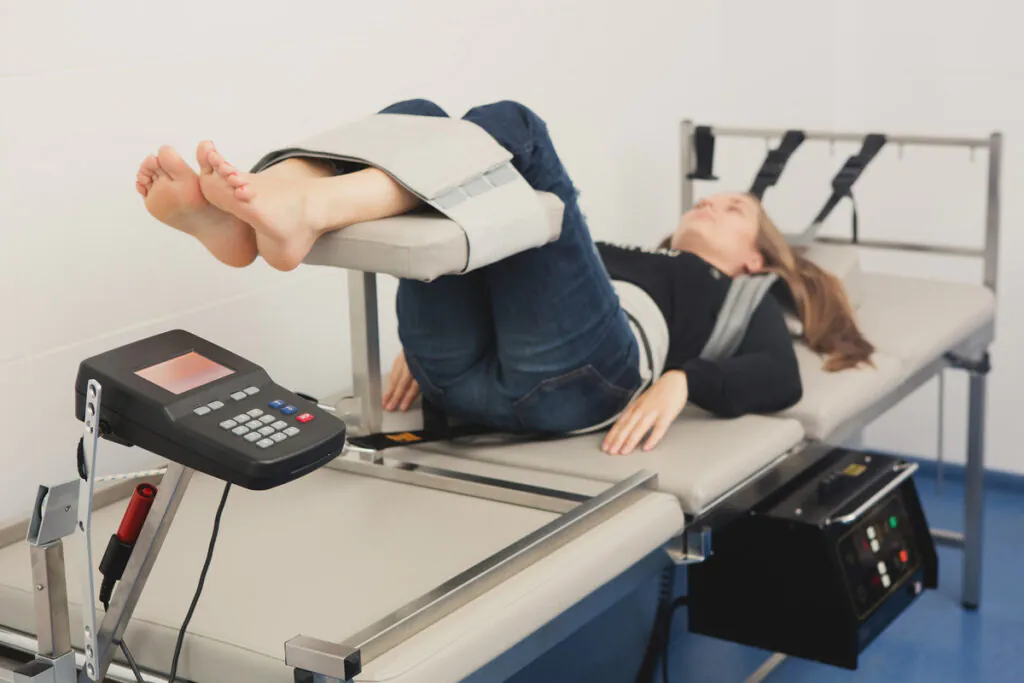
Moreover, specialized care often includes access to state-of-the-art facilities and technology that general practitioners may not offer. You'll benefit from cutting-edge therapies like cryotherapy, ultrasound treatments, or biofeedback, which can enhance your recovery.
Finally, working with specialists who focus on athletes means you'll receive guidance tailored for your sport. They understand the physical demands you face and can advise you on how to optimize your performance while ensuring your health.
In short, seeking specialized care isn't just about treating an injury; it's about getting you back to peak performance safely and effectively.
Education on Injury Prevention
Your understanding of injury prevention is essential to maintaining an active lifestyle and enhancing your athletic performance. By educating yourself on effective strategies, you can considerably reduce the risk of injuries that may sideline you.
Start by recognizing the importance of proper warm-ups and cool-downs. Engaging in dynamic stretches before workouts prepares your muscles and joints for the demands of your sport.
Next, pay attention to your technique. Whether you're running, lifting weights, or playing a team sport, using proper form minimizes strain on your body. Consider working with a coach or trainer who can provide guidance and feedback.
Incorporate strength and conditioning exercises into your routine. Strengthening your muscles not only improves performance but also stabilizes your joints, making them less susceptible to injuries.
Balance and flexibility exercises are equally important; they enhance your overall stability and range of motion, essential for preventing strains.
Don't underestimate the importance of rest and recovery. Your body needs time to heal and rebuild after intense workouts. Ignoring this can lead to overuse injuries that can take weeks or even months to recover from.
Finally, stay informed about your sport's common injuries and their prevention. Knowledge is power, and being aware of potential risks allows you to take proactive measures.
Conclusion
In summary, seeking care for sports injuries is vital for your health and performance. By getting early diagnosis and treatment, you can prevent long-term damage and enhance your recovery time. Personalized rehabilitation plans tailored to your needs will help you bounce back faster and improve your athletic performance. Plus, access to specialized care and education on injury prevention keeps you in the game and reduces the risk of future injuries. Don't wait—take charge of your recovery today!