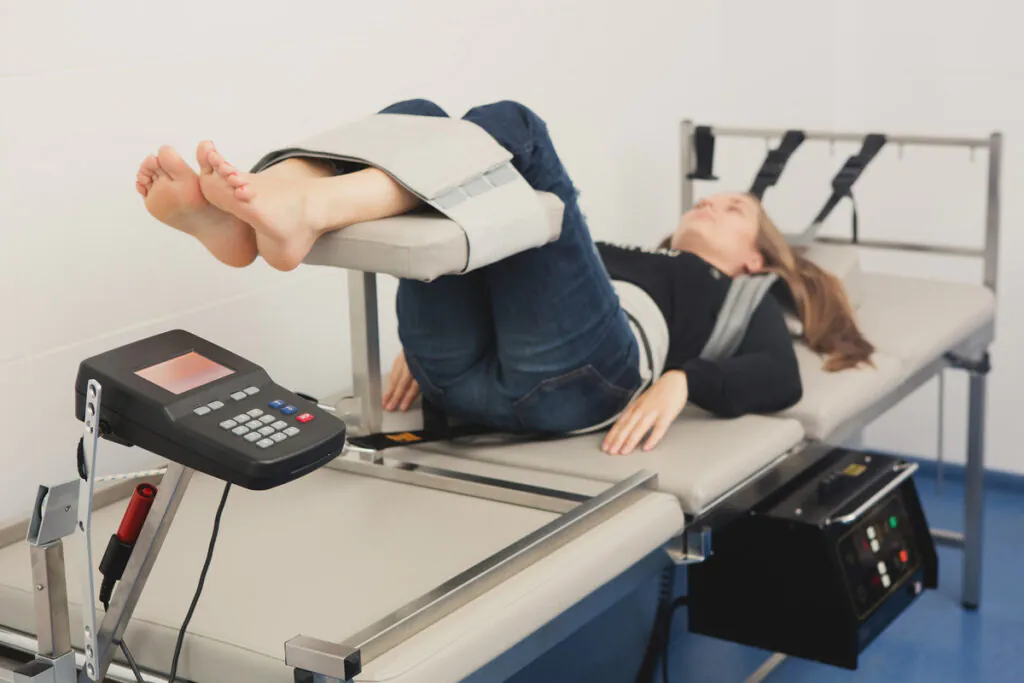
If you're experiencing sports-related back pain, it's vital to understand that there are effective strategies beyond just resting to help you find relief. As a local chiropractor, I want to share with you some proactive steps that can alleviate your discomfort and promote healing naturally. Many people underestimate the importance of proper warm-up techniques and core strengthening, which are essential elements in your recovery process. Are you curious about how these approaches can change your experience with back pain? Let's delve into practical methods you can incorporate into your routine for lasting relief and improved overall wellness.
Practice Proper Warm-Up Techniques
As a local chiropractor, I can't stress enough the importance of warming up properly to prevent sports-related back pain. Before engaging in any physical activity, it's essential to prepare your body adequately. A well-executed warm-up increases blood flow to your muscles, enhances flexibility, and significantly reduces the risk of injury.
Start with light aerobic exercises, such as jogging or brisk walking, for about five to ten minutes. This initial phase elevates your heart rate and primes your body for more intense movements. Remember, a warm body is less likely to sustain injuries.
Next, focus on dynamic stretches that specifically target the muscles you'll be using in your sport. Incorporate exercises like leg swings, arm circles, and torso twists. These movements not only engage your muscles but also improve your range of motion, which is crucial for avoiding strains and sprains.
It's also vital to include the specific movements you'll perform during your sport. For instance, if you're playing soccer, practice some light kicks; if you're heading to the basketball court, do gentle layups. This familiarity with the motions allows your body to adapt, significantly reducing the likelihood of discomfort or pain.
Pay close attention to your body during the warm-up. If you notice any tightness or soreness, take the time to focus on that area. Techniques such as foam rolling or gentle massage can be beneficial in alleviating tension and preparing your body for the activity ahead.
Strengthen Core Muscles
As a local chiropractor, I want to emphasize the importance of strengthening your core muscles in preventing sports-related back pain. A strong core is essential for stabilizing your spine and pelvis, which in turn promotes better posture and movement during physical activity.
When your core is weak, other muscles may take on extra strain, often leading to discomfort and potential injury.
To effectively strengthen your core, it's beneficial to incorporate exercises that target your abdominal muscles, lower back, and obliques into your routine. One of the best exercises to start with is the plank. Hold a plank position for 30 seconds to a minute, ensuring that your body remains in a straight line from head to heels. As you build strength, gradually increase the duration.
Another effective exercise is the side plank, which specifically engages your obliques and enhances lateral stability. Additionally, don't overlook bridges, which are great for strengthening your lower back and glutes. To perform a bridge, lie on your back with your knees bent and feet flat on the floor. Raise your hips towards the ceiling, squeezing your glutes at the top, and aim for three sets of 10-15 repetitions.
I recommend incorporating these exercises into your routine two to three times a week. You'll likely notice a significant reduction in your risk of back pain and an improvement in your overall athletic performance.
It's crucial to listen to your body—if you feel pain during any exercise, take a step back and consult with a fitness professional or your chiropractor for guidance.
Strengthening your core not only helps in preventing discomfort but also enhances your ability to enjoy sports without the nagging worry of back pain.
Use Correct Posture
As a local chiropractor, I want to emphasize the importance of correct posture in preventing sports-related back pain. Your body's alignment during physical activities plays a crucial role in how you feel and perform. By maintaining proper posture, you can evenly distribute your weight, which reduces strain on your spine and surrounding muscles. This not only helps prevent injuries but also enhances your overall sports performance.
Here are some valuable tips to ensure you're practicing correct posture:
- Stand tall: Imagine a string pulling you up from the top of your head. Keep your shoulders back, your chest open, and align your head with your spine.
- Engage your core: Activating your abdominal muscles is essential. This support helps stabilize your lower back and can significantly reduce discomfort during activities.
- Bend your knees: When lifting or performing explosive movements, always bend at the knees rather than at the waist. This simple adjustment can protect your back from unnecessary strain.
- Keep your feet shoulder-width apart: This posture provides a solid base and aids in maintaining balance, making your movements more effective and safer.
- Use proper equipment: Choosing the right footwear is vital. Shoes that offer adequate support and cushioning for your specific sport can significantly impact your posture and overall well-being.
By incorporating these tips into your routine, you can support your body's natural alignment and prevent injuries, allowing you to enjoy your favorite sports without pain.
Incorporate Stretching Routines
As a local chiropractor, I want to emphasize the importance of incorporating stretching routines into your daily regimen. Stretching isn't just about flexibility; it's a vital component in preventing back pain and promoting overall wellness.
By focusing on specific muscle groups, you can alleviate tension that may contribute to discomfort and enhance your physical performance.
It's crucial to understand that the timing and frequency of your stretches can significantly impact their effectiveness. I encourage you to make stretching a regular practice, ideally integrating it into both your warm-up and cool-down routines.
By doing so, you'll not only improve your flexibility but also support your body's natural healing processes.
Importance of Flexibility
As a local chiropractor, I want to emphasize the vital role that flexibility plays in preventing and alleviating sports-related back pain. When your muscles and joints are flexible, you can move more freely, which significantly reduces the strain on your back. By incorporating a regular stretching routine into your training regimen, you can improve your flexibility and protect your back from potential injuries.
Let's explore some key benefits of maintaining flexibility that I often share with my patients:
- Increased Range of Motion: Regular stretching allows your joints to move through their full range, making it easier for you to engage in various sports activities without restriction.
- Reduced Muscle Tension: When your muscles are flexible, they're less likely to experience tension and tightness, which are common contributors to discomfort and pain.
- Improved Posture: Stretching can help counteract the negative effects of poor posture, which, in turn, reduces stress on your back and enhances overall spinal health.
- Enhanced Performance: With greater flexibility, you can perform movements more effectively, which can lead to improved athletic performance.
- Quicker Recovery: Flexible muscles tend to recover faster after physical activity, enabling you to stay active and maintain a pain-free lifestyle.
By understanding and prioritizing flexibility, you can take proactive steps toward better spinal health and overall well-being.
If you have any questions about how chiropractic care can support your flexibility and prevent back pain, I'm here to help!
Target Specific Muscle Groups
As a local chiropractor, I want to emphasize the importance of targeting specific muscle groups to prevent sports-related back pain and to enhance your overall performance naturally.
It's crucial to focus on the muscles that support your spine and pelvis, particularly the core, glutes, and hamstrings. By strengthening these areas, you can stabilize your back and significantly reduce the risk of injury.
Start your routine with core-strengthening exercises. Planks and bridges are excellent choices as they build endurance and support for your lower back.
Next, let's not overlook the importance of your glutes. Incorporating movements like squats and lunges can effectively activate these muscles, which are vital for maintaining proper posture during any physical activity.
Stretching is just as important as strengthening. Make sure to include stretches that target your hamstrings, hip flexors, and lower back. For example, the seated hamstring stretch and child's pose can provide effective relief and flexibility.
Aim to hold each stretch for at least 20-30 seconds while taking deep breaths to promote relaxation.
By focusing on these specific muscle groups and incorporating both strengthening and stretching exercises into your routine, you can support your body's natural alignment and enhance your overall well-being.
If you have any questions or need further guidance, don't hesitate to reach out!
Timing and Frequency Matters
As a local chiropractor, I want to emphasize the importance of timing and frequency in your stretching routine to help you alleviate sports-related back pain effectively. Understanding when and how often to stretch can significantly enhance your overall wellness.
Here's how you can incorporate stretching into your routine:
- Before Your Workout: Engaging in stretches before you exercise is crucial. It prepares your muscles for the physical activity ahead and can significantly reduce the risk of injury.
- After Your Workout: Stretching after your exercise session is just as important. It helps to release built-up tension and promotes flexibility, allowing your muscles to recover better.
- Daily Routine: I encourage you to make stretching a part of your daily life, even on days when you're not working out. This habit keeps your muscles flexible and reduces the likelihood of stiffness.
- Short Intervals: It's more beneficial to stretch in shorter, more frequent sessions rather than having longer stretches infrequently. This approach helps maintain muscle elasticity and keeps your body responsive.
- Focus on Consistency: Finally, consistency is key! Sticking to a regular stretching schedule will yield the best results over time.
By incorporating these practices into your life, you'll not only manage pain more effectively but also enhance your overall physical health.
Apply Ice and Heat Therapy
When it comes to managing sports-related back pain, I want to share how effective ice and heat therapy can be for relief and recovery. These two methods are essential tools in your healing journey, and I'm here to guide you through their use.
Let's start with ice therapy. Applying ice packs to your back can significantly reduce inflammation and numb the area, providing quick relief from pain. I recommend using ice within the first 48 hours after a strain or injury.
To do this safely, wrap ice in a cloth or utilize a commercial ice pack, and apply it to the affected area for 15 to 20 minutes. It's important to give your skin a break between applications to prevent frostbite.
Once the initial inflammation has started to improve, heat therapy can become your ally. Heat increases blood flow, helping to relax tight muscles and ease stiffness in your back. You can use a heating pad, a warm towel, or even take a warm bath.
Aim for around 15 to 20 minutes of heat application—just be mindful that it should feel warm, not scalding.
Many of my patients find that alternating between ice and heat can be particularly effective. Start with ice to reduce swelling, then switch to heat to encourage healing.
Always listen to your body; if your pain persists or worsens, it's crucial to seek professional advice.
Incorporating ice and heat therapy into your routine can be a powerful addition to your recovery plan. As your chiropractor, my goal is to support your natural healing process and help you get back to your active lifestyle as soon as possible.
Invest in Supportive Gear
As a local chiropractor, I want to emphasize the importance of your back's health and how investing in supportive gear can make a significant difference in your overall well-being. Many patients are often unaware of how the right equipment can't only boost performance in sports but also play a crucial role in minimizing injury risk and alleviating existing discomfort.
Whether you're hitting the gym, playing a sport, or enjoying recreational activities, supportive gear is essential for maintaining the integrity of your spine.
Here are some key items I recommend considering:
- Quality Footwear: Proper shoes are vital. Look for footwear that provides solid arch support and cushioning, as this helps absorb shock and minimizes the impact on your spine during strenuous activities.
- Back Support Belts: If your routine includes weightlifting or any activity that places stress on your back, a back support belt can offer necessary stability and help alleviate pressure on your spine.
- Sports-Specific Back Braces: For some sports, using a specialized back brace can provide targeted support, which is beneficial in preventing strains and sprains.
- Foam Rollers: Incorporating a foam roller into your exercise regimen can be incredibly effective. It helps release tension in your back muscles, promotes flexibility, and can significantly reduce pain.
- Ergonomic Equipment: If you spend extended periods training or practicing, consider investing in ergonomic gear, such as adjustable benches or chairs, which can enhance your posture and support your spine throughout your activities.
By prioritizing supportive gear that aligns with your activities, you not only enhance your performance but also pave the way for long-term relief from back pain.
As you engage in your sports endeavors, remember to take care of your back – your overall health and confidence depend on it. If you have any questions or need guidance on the best supportive gear for your needs, feel free to reach out to me. Together, we can work towards a healthier back and a more active lifestyle.
Consult a Healthcare Professional
If you're experiencing sports-related back pain, it's important to understand the benefits of consulting a chiropractor.
As a local chiropractor, I specialize in diagnosing and treating musculoskeletal issues, and I can help create a personalized treatment plan that addresses your unique needs.
Chiropractic care focuses on natural healing methods, allowing your body to recover effectively without relying solely on medication.
By working with me, you'll receive professional guidance and ongoing support to monitor your progress and ensure you're on the right path to recovery.
Don't overlook the advantages of chiropractic care in your journey to feeling better and getting back to the activities you love!
Importance of Diagnosis
As a local chiropractor, I want to emphasize the vital role that a proper diagnosis plays in effectively managing sports-related back pain.
It's essential to consult with a healthcare professional who understands the intricacies of your body to uncover the root cause of your discomfort. Without a clear diagnosis, you may unintentionally overlook serious conditions and follow ineffective treatment paths.
Here are some key reasons why seeking a proper diagnosis is so important:
- Identify the Cause: We can help pinpoint the specific source of your pain, whether it's due to a muscle strain, herniated disc, or another issue. This clarity is crucial for effective treatment.
- Prevent Further Injury: By understanding what movements or activities might aggravate your condition, we can work together to avoid complications and ensure a safer approach to your recovery.
- Tailored Advice: With a proper diagnosis, we can provide personalized recommendations to modify your training or sports activities, ensuring they align with your specific needs and condition.
- Track Recovery: Establishing a baseline for your condition will allow us to measure your progress over time, helping you stay motivated and informed about your healing journey.
- Access to Resources: A proper diagnosis can open doors to referrals for specialists, physical therapists, and other resources that can support your recovery and overall health.
At our practice, we believe in the power of natural healing and a comprehensive approach to care.
Personalized Treatment Plans
As a local chiropractor, I want to emphasize the importance of a personalized treatment plan for managing sports-related back pain effectively. It's crucial to consult with a healthcare professional who appreciates your unique circumstances, including your specific symptoms, medical history, and activity level.
During our assessment, we'll discuss your condition in detail and create tailored recommendations that address your pain in a holistic manner.
Your treatment plan may involve chiropractic adjustments, which can help realign your spine, alleviate pain, and enhance your overall mobility. Alongside adjustments, I may guide you through targeted exercises and stretches specifically designed to strengthen your back and core muscles, improve flexibility, and teach you proper techniques to prevent future injuries.
In addition to hands-on care, we might explore other natural healing modalities, such as modalities like massage therapy or acupuncture, to complement your recovery. While some patients find relief with over-the-counter pain relievers, I prefer to focus on natural methods that promote healing from within.
Remember, staying active is important, and I'll work with you to modify your training routine in a way that allows you to continue your activities while healing.
Together, we can create a comprehensive plan that not only addresses your current pain but also supports your long-term well-being.
Ongoing Monitoring Progress
Monitoring your progress is crucial in ensuring that your chiropractic care is effective and aligns with your changing needs. Regular check-ins with me, your chiropractor, will help keep you on the right path and allow us to make any necessary adjustments to your treatment plan.
Here are some key aspects to focus on during your monitoring process:
- Pain Tracking: I encourage you to keep a journal of your pain levels, noting any changes or patterns you observe. This will help us identify what's working and what might need adjustment.
- Activity Log: Documenting your physical activities, including sports and exercises, can be very helpful. This will allow us to pinpoint any activities that may be triggering discomfort or hindering your recovery.
- Symptom Assessment: Regularly assessing your symptoms and discussing them with me will provide valuable insight into your progress and help us tailor your treatment accordingly.
- Treatment Adjustments: Be open to modifying your care plan based on your feedback and progress. Chiropractic care is all about finding what works best for you, and adjustments may be necessary as we go along.
- Goal Setting: Together, we can establish short-term and long-term goals. This won't only keep us focused but also maintain your motivation as you work towards improved health and well-being.
Conclusion
As a local chiropractor dedicated to your well-being, I want to share with you seven reliable tips to help alleviate sports-related back pain and improve your overall performance. First and foremost, it's crucial to warm up properly before any physical activity. This prepares your muscles and reduces the risk of injury. Strengthening your core is another essential aspect; a strong core supports your spine and can significantly alleviate discomfort.
Additionally, maintaining good posture both during sports and in your daily life is vital for spinal health. Incorporating regular stretching routines can enhance flexibility and prevent tightness that contributes to pain. I also recommend using ice and heat therapy to manage inflammation and promote healing after activity.
Investing in supportive gear, such as proper footwear and back support, can make a significant difference in your recovery process. Remember, it's always a good idea to consult with a healthcare professional, like a chiropractor, who can provide tailored advice specific to your needs.
As you implement these strategies, stay proactive in monitoring your progress. With the right approach, you'll be well on your way to enjoying a healthier, pain-free athletic experience. Embrace the natural healing methods available to you, and don't hesitate to reach out for guidance along your journey to recovery.