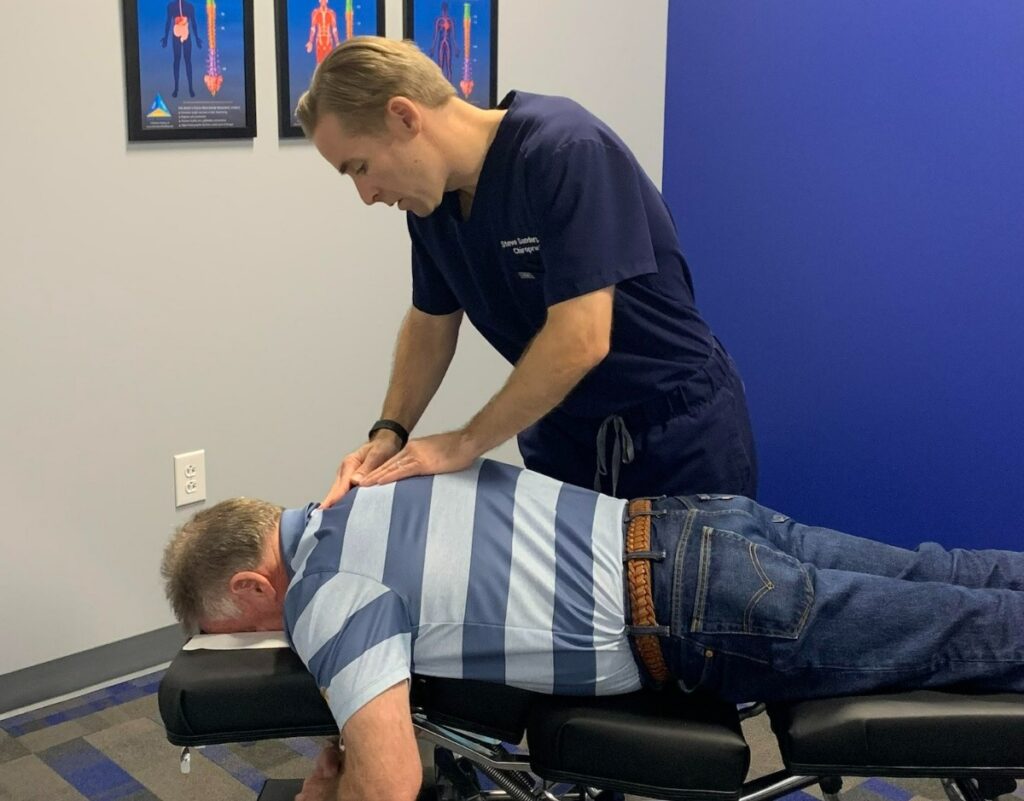
When you're living with chronic pain, finding effective management strategies can feel overwhelming. You might be surprised to discover that several natural approaches can greatly ease your discomfort. From dietary changes to mindfulness practices, there are practical steps you can take to improve your quality of life. Each method has its own merits and challenges, and understanding how they work together can lead to a more holistic approach to pain management. Curious about which strategies might suit you best? Let's explore these options and find what resonates with your needs.
Dietary Changes
Many people often overlook the impact of dietary changes on managing chronic pain, but what you eat can greatly influence your symptoms. Certain foods can either exacerbate or alleviate inflammation in your body, which plays a significant role in chronic pain. By making mindful dietary choices, you might find relief from discomfort and improve your overall well-being.
Start by incorporating anti-inflammatory foods into your diet. Foods rich in omega-3 fatty acids, like salmon and walnuts, can help reduce inflammation. Fruits and vegetables, especially those high in antioxidants such as berries, spinach, and kale, are also beneficial. They fight oxidative stress and can lower your pain levels.
On the flip side, it's important to identify and limit foods that may trigger your pain. Common culprits include processed foods, refined sugars, and excessive saturated fats. These can contribute to inflammation and worsen your symptoms. Additionally, gluten and dairy mightn't sit well with everyone; consider monitoring how these affect your body.
Staying hydrated is another essential aspect of dietary changes. Drinking plenty of water helps maintain your body's functions and can aid in reducing pain. Herbal teas, such as ginger or turmeric, can also provide anti-inflammatory benefits.
Ultimately, paying attention to your diet and making strategic changes can pave the way for a more manageable pain experience. By fueling your body with the right nutrients, you're taking a proactive step toward enhancing your quality of life.
Regular Exercise
While dietary changes can greatly impact chronic pain management, incorporating regular exercise is another powerful tool in your toolkit. Engaging in physical activity can help alleviate pain, improve mobility, and enhance your overall well-being. It might seem intimidating at first, but even small steps can lead to significant improvements.
Here are four key benefits of regular exercise for managing chronic pain:
- Increases Endorphins: Exercise releases endorphins, your body's natural painkillers. These chemicals help reduce the perception of pain, boosting your mood and making daily activities more manageable.
- Improves Flexibility and Strength: Regular movement helps maintain muscle strength and joint flexibility. This can counteract stiffness and improve your range of motion, making it easier to perform daily tasks.
- Reduces Stress: Physical activity is a great stress reliever. Lower stress levels can lead to reduced tension in your body, which may help to lessen pain.
- Promotes Better Sleep: Regular exercise can improve your sleep quality. Restful sleep is essential for pain management, allowing your body to recover and repair itself more effectively.
Start by incorporating gentle activities like walking, swimming, or yoga into your routine. Aim for at least 150 minutes of moderate exercise each week, and listen to your body.
Mindfulness and Meditation
Mindfulness and meditation can be powerful tools in managing chronic pain. By practicing mindfulness, you can enhance your awareness and reduce stress, leading to a greater sense of control over your pain.
Let's explore different meditation techniques and how you can easily incorporate mindfulness into your daily routine.
Benefits of Mindfulness Practices
How can mindfulness practices transform your experience with chronic pain? By incorporating mindfulness into your daily routine, you can develop a more balanced perspective on your pain. This practice helps you cultivate awareness and acceptance, leading to a more empowered response to your situation.
Here are some key benefits:
- Reduced Stress: Mindfulness lowers stress levels, which can exacerbate chronic pain. By focusing on the present, you can mitigate anxiety and tension.
- Enhanced Pain Tolerance: Engaging in mindfulness can increase your pain tolerance. You'll learn to observe your pain without judgment, reducing its emotional impact.
- Improved Emotional Well-being: Mindfulness promotes emotional resilience. You'll find that you can manage negative feelings and cultivate a more positive outlook on life.
- Better Sleep Quality: Practicing mindfulness can improve your sleep, which is vital for managing pain. Better rest allows your body to heal and recover more effectively.
Types of Meditation Techniques
Incorporating mindfulness practices can naturally lead you to explore various meditation techniques that further enhance your pain management journey.
One popular technique is mindfulness meditation, where you focus on your breath, bodily sensations, or thoughts without judgment. This practice helps you stay present and reduces anxiety related to chronic pain.
Another effective method is loving-kindness meditation, which involves silently repeating phrases of goodwill towards yourself and others. This technique fosters self-compassion and can shift your emotional response to pain.
Guided imagery is another approach. In this technique, you visualize calming scenes or positive experiences, allowing your mind to escape the discomfort. It can serve as a powerful distraction and promote relaxation.
You might also try body scan meditation, where you mentally check in with different body parts, acknowledging any sensations without reacting to them. This can help you develop a better relationship with your body and pain.
Lastly, transcendental meditation uses a mantra to help you focus and reach a deep state of relaxation.
Experiment with these techniques to find what resonates with you, and remember that consistency is key to experiencing their benefits.
Incorporating Mindfulness Daily
Creating a daily mindfulness routine can greatly enhance your pain management efforts. By incorporating mindfulness into your life, you can become more aware of your body, your emotions, and your pain, helping you respond to it with greater calmness and resilience.
Here are four effective ways to incorporate mindfulness daily:
- Set a specific time: Choose a time each day, whether it's morning or evening, to practice mindfulness. Consistency helps build the habit.
- Start small: Begin with just five minutes of meditation or deep breathing. Gradually increase the duration as you become more comfortable.
- Engage your senses: During your mindfulness practice, focus on what you can see, hear, smell, taste, and touch. This sensory awareness can ground you in the present moment.
- Practice gratitude: Spend a few moments each day reflecting on what you're grateful for. This positive mindset can counteract feelings of pain and stress.
Incorporating these techniques into your daily routine can empower you to manage chronic pain more effectively, helping you live a more balanced and fulfilling life.
Heat and Cold Therapy
When it comes to managing chronic pain, heat and cold therapy can be your best friends.
Heat therapy helps relax muscles and improve circulation, while cold therapy reduces inflammation and numbs sharp pain.
Let's explore the benefits of each and how to apply them effectively for maximum relief.
Benefits of Heat Therapy
Heat therapy offers a simple yet effective way to manage chronic pain, providing warmth that soothes sore muscles and joints. When you apply heat, it increases blood flow, which helps deliver nutrients and oxygen to your tissues. This can greatly alleviate discomfort.
Here are some specific benefits you might experience:
- Pain Relief: Heat can help decrease muscle tension, easing pain from conditions like arthritis or fibromyalgia.
- Improved Flexibility: Warmth can enhance your range of motion, making it easier to perform daily activities without discomfort.
- Stress Reduction: The soothing effect of heat can help you relax, reducing stress and promoting overall well-being.
- Enhanced Recovery: Heat therapy can speed up recovery after an injury by improving circulation and reducing stiffness.
To incorporate heat therapy into your routine, consider using heating pads, warm baths, or hot packs.
Just remember to monitor the temperature to avoid burns. By integrating heat therapy, you can take charge of your chronic pain management and enjoy a more comfortable life.
Advantages of Cold Therapy
Cold therapy, often referred to as cryotherapy, is another powerful tool in managing chronic pain. This approach works by reducing inflammation and numbing the affected area, which can help alleviate pain in conditions like arthritis or sports injuries. When you apply cold, it constricts blood vessels, limiting swelling and providing immediate relief.
One of the key advantages of cold therapy is its ability to decrease muscle spasms. If you're dealing with ongoing discomfort, using cold packs can help relax tense muscles, making it easier for you to move and engage in daily activities.
Additionally, cold therapy can improve your recovery time after physical exertion by minimizing damage to tissues.
You also don't need fancy equipment to benefit from cold therapy. Simple items like ice packs or even a bag of frozen vegetables can do the trick. The accessibility makes it an easy option to incorporate into your pain management routine.
Application Techniques Explained
Understanding how to apply heat and cold therapy effectively can enhance your pain management strategy. Both methods can provide relief, but using them correctly is essential for maximizing their benefits.
Here are some application techniques to keep in mind:
1. Heat Therapy: Use a heating pad or warm towel for 15-20 minutes. This promotes blood flow and relaxes tight muscles.
Avoid applying heat to swollen areas.
2. Cold Therapy: Apply an ice pack wrapped in a cloth for 15-20 minutes. This numbs the area and reduces inflammation.
Make sure not to place ice directly on your skin to prevent frostbite.
3. Timing: Alternate between heat and cold based on your specific pain. For instance, use heat before activity to loosen muscles and cold afterward to minimize swelling.
4. Frequency: You can repeat these applications several times a day, but give your skin breaks to avoid irritation.
Herbal Remedies
Herbal remedies offer a natural approach to managing chronic pain, tapping into the healing properties of plants that have been used for centuries. By exploring these remedies, you can find effective ways to alleviate discomfort without relying solely on pharmaceuticals. Many herbs contain anti-inflammatory and analgesic properties that may help ease your pain.
One popular option is turmeric, which contains curcumin. Curcumin is known for its anti-inflammatory effects and can be taken as a supplement or added to your meals.
Ginger is another powerful herb that can reduce pain and inflammation. You can enjoy it as a tea, in smoothies, or as a spice in your cooking.
Willow bark is often referred to as "nature's aspirin" due to its salicin content, which has pain-relieving properties. You can find it in supplement form or as a tea.
Similarly, feverfew has been used for centuries to treat headaches and migraines, and you can take it as a supplement or in tea form.
You might also consider using essential oils derived from plants like lavender and peppermint. These oils can be applied topically (when diluted) or used in aromatherapy to help relieve tension and pain.
Before diving into herbal remedies, it's always a good idea to consult with a healthcare professional, especially if you're already taking medications. This way, you can ascertain that there are no interactions and that you're choosing the best options for your specific needs.
Acupuncture and Massage
When it comes to managing chronic pain, acupuncture and massage therapy stand out as effective natural treatments. Both modalities offer unique benefits, helping to relieve pain and improve your overall well-being. If you're considering these therapies, here are some key points to keep in mind:
1. Pain Relief: Acupuncture targets specific points on the body to stimulate the release of endorphins, which can help reduce pain sensations.
Massage therapy, on the other hand, relaxes tense muscles, alleviating discomfort and improving circulation.
2. Reduced Stress: Both therapies promote relaxation. Acupuncture can help balance your body's energy and reduce stress, while massage therapy eases mental tension and fosters emotional well-being.
Less stress often translates to less pain.
3. Improved Mobility: Regular acupuncture treatments can enhance your range of motion and joint function.
Similarly, massage therapy can address stiffness and improve flexibility, making it easier for you to engage in daily activities.
4. Holistic Approach: These therapies focus on treating the whole person, not just the symptoms.
By addressing underlying issues and promoting overall health, you'll likely experience a greater sense of balance and liveliness.
Incorporating acupuncture and massage into your pain management routine can lead to significant improvements in your quality of life.
Before starting any new treatment, consult with a healthcare professional to ascertain it aligns with your specific needs.
Sleep Hygiene
After exploring the benefits of acupuncture and massage for chronic pain relief, it's important to contemplate how sleep hygiene plays a pivotal role in managing your overall health.
Good sleep quality can considerably impact your pain levels, mood, and energy, making it essential to establish healthy sleep habits.
Start by setting a consistent sleep schedule. Go to bed and wake up at the same time every day, even on weekends. This helps regulate your body's internal clock, promoting better sleep patterns.
Create a relaxing bedtime routine, such as reading or taking a warm bath, to signal your body that it's time to wind down.
Your sleep environment matters too. Make your bedroom a sanctuary for rest: keep it cool, dark, and quiet.
Consider using blackout curtains or white noise machines to minimize disturbances. Also, invest in a comfortable mattress and pillows that support your body properly.
Limit exposure to screens before bed, as the blue light emitted can interfere with melatonin production. Instead, opt for calming activities that prepare your mind for sleep.
Additionally, watch what you consume in the evening; avoid caffeine and heavy meals close to bedtime.
If you find yourself lying awake, resist the urge to stress about it. Get up and do a quiet activity until you feel sleepy again.
Conclusion
Managing chronic pain naturally is about making simple yet impactful lifestyle changes. By incorporating anti-inflammatory foods, staying active, and practicing mindfulness, you can greatly improve your comfort. Don't underestimate the power of heat and cold therapy, herbal remedies, and professional treatments like acupuncture and massage. Finally, prioritize your sleep hygiene to guarantee your body can heal and recharge. Embrace these strategies, and take charge of your pain management journey for a healthier, more balanced life.