If you're one of the many who struggle with tension headaches, you might be relieved to know that about 90% of patients find effective strategies for relief. From simple lifestyle adjustments to over-the-counter medications, numerous methods can help ease your discomfort. However, the journey to understanding what works best for you can be complex, especially when considering the various triggers and treatments available. So, what specific changes could lead to a significant improvement in your daily life? Exploring these options might just be the key to your relief.
Understanding Tension Headaches
Many people experience tension headaches, which are often triggered by stress, muscle strain, or poor posture. These headaches can feel like a band tightening around your head or a constant pressure in your temples. Understanding what causes them can help you manage and prevent future episodes.
Often, tension headaches arise from the muscles in your neck and scalp becoming tense due to stress or fatigue. If you've been sitting at your desk for hours, hunched over your computer, you might notice that your shoulders feel tight. This muscle tension can lead to a headache that lingers throughout the day.
Similarly, emotional stress can cause your body to tense up, contributing to the onset of these headaches.
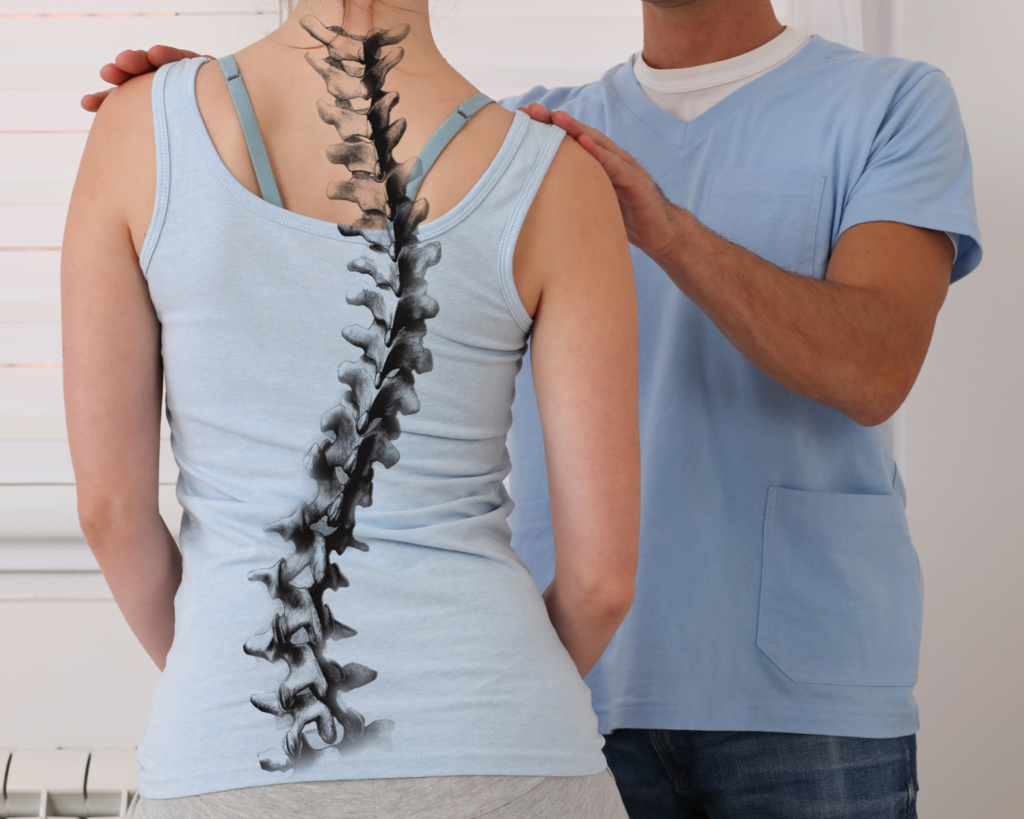
Poor posture is another common culprit. When you're slouching or leaning forward, it puts extra strain on your neck and back muscles, leading to discomfort that can escalate into a headache. You might be surprised to realize how much your posture impacts your overall well-being.
Recognizing the triggers in your environment and lifestyle is essential for prevention. Are you working long hours without breaks? Are you experiencing high levels of stress? By identifying these factors, you can take steps to alleviate tension before it manifests as a headache.
Incorporating regular breaks, practicing good posture, and managing stress through techniques like mindfulness or yoga can greatly reduce the frequency and intensity of your tension headaches.
Symptoms of Tension Headaches
When you experience a tension headache, you might notice a dull, aching pain that feels like a tight band around your head.
These headaches can last anywhere from 30 minutes to several days, often occurring in episodes.
Recognizing the common symptoms and their frequency can help you manage your discomfort more effectively.
Common Symptoms Experienced
Tension headaches often come with a range of common symptoms that can disrupt your daily activities. You might experience a dull, aching pain that feels like a tight band around your head. This discomfort typically manifests on both sides of your head, making it hard to focus on tasks.
You may also notice tenderness in your scalp, neck, or shoulder muscles, which can further contribute to your overall sense of unease.
In addition to the pain, you might feel a sense of pressure or tightness that can intensify throughout the day. This sensation can make it tough to relax or enjoy your usual routines.
Some people find that tension headaches come with fatigue, irritability, or difficulty concentrating, which can add to your frustration. You might also experience mild sensitivity to light and sound, although it's usually less severe than with migraines.
If you recognize these symptoms, you're not alone. Many people experience tension headaches, and understanding these signs can help you identify when it's time to seek relief or change your daily habits.
Duration and Frequency
Understanding the symptoms of tension headaches is just the first step; it's also important to recognize how long they typically last and how often they occur. Tension headaches can vary in duration, but they usually last anywhere from 30 minutes to several days. You might find that some headaches resolve quickly, while others linger, causing persistent discomfort.
As for frequency, tension headaches can be episodic or chronic. Episodic tension headaches occur less than 15 days per month, often triggered by stress, fatigue, or poor posture. If you experience these headaches more frequently—15 days or more each month—you might be dealing with chronic tension headaches, which may require a different approach to management.
Pay attention to your patterns. Keeping a headache diary can help you track how often these headaches occur and how long they last. This information can be valuable when discussing treatment options with your healthcare provider.
Recognizing the duration and frequency of your tension headaches can empower you to seek relief and make informed decisions about your health.
Common Triggers
Several factors can contribute to the onset of tension headaches, often catching you off guard. You might notice that stress is a considerable trigger. When life gets overwhelming—whether from work, family, or personal issues—your body can respond with tightness in the neck and shoulders, leading to those nagging headaches.
Another common trigger is poor posture. If you spend long hours hunched over a computer or sitting in an uncomfortable chair, your muscles can become tense, which can fuel headache pain. Make sure to check your ergonomics and take breaks to stretch and reset your posture throughout the day.
Dehydration can also play a role in triggering tension headaches. If you're not drinking enough water, your body will react negatively, often resulting in discomfort. Keeping a water bottle nearby can help remind you to stay hydrated.
Additionally, lack of sleep is another major factor. When you don't get enough rest, your body becomes fatigued and more sensitive to pain, making you more susceptible to headaches. Aim for a consistent sleep schedule to help mitigate this trigger.
Lastly, certain foods and beverages can lead to headaches as well. Caffeine withdrawal, for example, can cause tension headaches if you suddenly cut back on your intake.
Pay attention to what you eat and drink, as these can considerably impact your headache frequency. By identifying and managing these common triggers, you can take proactive steps toward reducing tension headaches.
Lifestyle Changes for Relief
Making simple lifestyle changes can greatly alleviate tension headaches. Start by evaluating your daily routine and identifying stressors. Incorporating relaxation techniques, like deep breathing exercises or mindfulness meditation, can help you manage stress more effectively. Set aside a few minutes each day to focus on calming your mind and body.
Next, consider your physical activities. Regular exercise, even something as simple as walking, can reduce tension and improve your overall well-being. Aim for at least 30 minutes of moderate activity most days of the week. Stretching and yoga can also be beneficial, as they promote flexibility and relaxation.
Hydration is essential, too. Confirm you're drinking enough water throughout the day, as dehydration can trigger headaches. Keep a water bottle handy and make it a habit to sip regularly.
Pay attention to your sleep patterns. Aim for 7 to 9 hours of quality sleep each night. Establishing a consistent sleep schedule can help you fall asleep and wake up more easily, reducing the likelihood of tension headaches.
Lastly, evaluate your posture, especially if you spend long hours at a desk. Adjust your workspace to promote good posture and take regular breaks to stretch and move around.
Over-the-Counter Medications
When tension headaches strike, over-the-counter (OTC) medications can offer quick relief.
You'll find common options like ibuprofen and acetaminophen at your local pharmacy, but it's essential to know the right dosage and potential side effects.
Understanding these factors can help you manage your headaches more effectively and safely.
Common OTC Options
For quick relief from tension headaches, over-the-counter (OTC) medications can be your first line of defense. Common options include acetaminophen, ibuprofen, and aspirin, all of which target pain effectively.
Acetaminophen is gentle on your stomach and works well for mild to moderate headaches. If you prefer something with anti-inflammatory properties, ibuprofen is a great choice; it not only reduces pain but helps with any inflammation that may contribute to your discomfort.
Aspirin is another effective option, but make sure you're aware of any potential stomach irritation it might cause. If you're sensitive to side effects, you might lean towards acetaminophen.
Some people find relief with combination products that include caffeine, which can enhance the effectiveness of the pain reliever. These combo medications can offer quick results, especially if taken at the onset of a headache.
However, always read the labels to ascertain you're not exceeding the recommended limits.
Choosing the right OTC option can make a significant difference in managing your tension headaches, allowing you to get back to your daily activities more comfortably.
Dosage Recommendations
Understanding the proper dosage for over-the-counter medications is essential for effective tension headache relief. When you choose medications like acetaminophen, ibuprofen, or aspirin, it's vital to follow the recommended dosages on the packaging or as advised by your healthcare provider.
For acetaminophen, the typical adult dosage is 500 to 1,000 mg every 4 to 6 hours, but you shouldn't exceed 3,000 mg in 24 hours.
If you opt for ibuprofen, the usual dosage is 200 to 400 mg every 4 to 6 hours, with a maximum limit of 1,200 mg per day for over-the-counter use.
Aspirin typically recommends 325 to 650 mg every 4 to 6 hours, not exceeding 4,000 mg in a day.
Always take these medications with food or a full glass of water to minimize stomach irritation.
If you find that you need to take these medications more frequently than recommended, it's time to consult a healthcare professional.
Side Effects Awareness
Being aware of potential side effects is essential when using over-the-counter medications for tension headaches. While these medications can provide relief, they may also come with unwanted effects that you should know about.
Here are four common side effects to keep in mind:
- Gastrointestinal Issues: You might experience stomach upset, nausea, or even gastrointestinal bleeding, especially if you take them on an empty stomach.
- Drowsiness: Some medications can make you feel drowsy or dizzy, impacting your ability to drive or operate machinery safely.
- Allergic Reactions: Though rare, you could have an allergic reaction, resulting in symptoms like rash, itching, or swelling. If you notice these, stop using the medication and seek medical help.
- Dependency Risks: Overuse of certain pain relievers can lead to rebound headaches or dependency, making your tension headaches worse in the long run.
Always read the labels and consult your healthcare provider if you have concerns about side effects.
Being informed can help you choose the right medication while minimizing potential risks.
Alternative Treatment Options
Many people find relief from tension headaches through alternative treatment options that go beyond conventional medication. You might want to explore methods like acupuncture, which involves inserting fine needles into specific points on your body. Many individuals report significant reductions in headache frequency and severity after a few sessions.
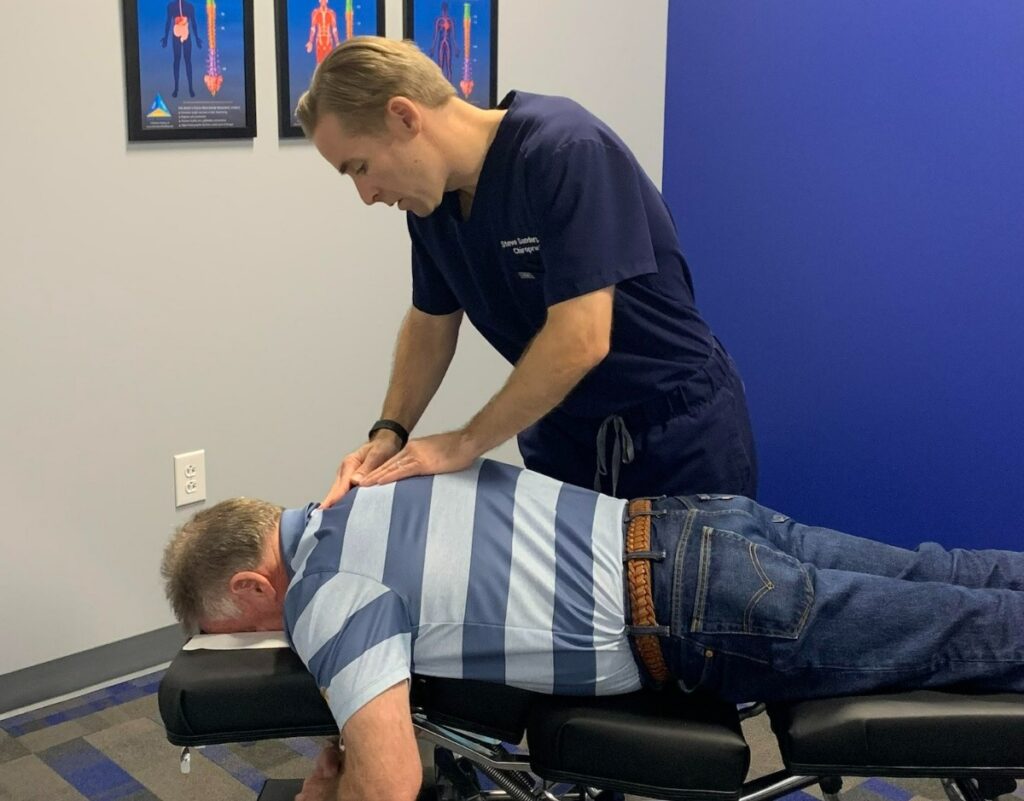
Another option is chiropractic care. By aligning your spine, chiropractors can help relieve tension in your neck and shoulders, potentially reducing headache occurrences.
If you're open to hands-on therapies, consider massage therapy. Targeted muscle relaxation can ease tension and promote better circulation, which may alleviate headache symptoms.
Herbal remedies are also worth considering. Some studies suggest that supplements like butterbur and feverfew can effectively reduce headache pain. However, it's essential to consult with a healthcare provider before starting any herbal regimen to ascertain safety and effectiveness.
Mindfulness practices, such as yoga and meditation, can provide significant benefits too. These techniques help lower stress levels and improve your overall sense of well-being, which may lead to fewer tension headaches. Incorporating relaxation exercises into your daily routine can empower you to manage symptoms more effectively.
Lastly, dietary changes can play an important role. Staying hydrated and avoiding trigger foods might help reduce the frequency of your headaches.
Experimenting with these alternative treatment options can enhance your headache management strategy, offering you a pathway to relief without relying solely on medication.
Importance of Stress Management
Managing stress is essential for preventing tension headaches and enhancing your overall well-being.
By incorporating techniques for stress relief, like deep breathing or exercise, you can greatly reduce the frequency and intensity of headaches.
Additionally, practicing mindfulness can help you stay present, leading to greater emotional balance and resilience.
Techniques for Stress Relief
Stress management plays an essential role in alleviating tension headaches and enhancing overall well-being. By employing effective stress relief techniques, you can reduce the frequency and intensity of these headaches.
Here are four techniques you can try:
- Deep Breathing: Focus on your breath. Inhale deeply through your nose, hold for a moment, then exhale slowly through your mouth. Repeat this for several minutes to calm your mind.
- Physical Activity: Engage in regular exercise. Whether it's walking, yoga, or dancing, moving your body releases endorphins, which can help reduce stress.
- Progressive Muscle Relaxation: Tense and then relax each muscle group in your body, starting from your toes and moving up to your head. This helps release physical tension.
- Mindfulness Meditation: Spend a few minutes each day practicing mindfulness. Focus on the present moment without judgment, which can help clear your mind and lower stress levels.
Implementing these techniques into your daily routine can greatly improve your ability to manage stress and, in turn, reduce the likelihood of tension headaches.
Benefits of Mindfulness Practices
Five key benefits highlight the importance of incorporating mindfulness practices into your daily routine.
First, mindfulness helps reduce stress by encouraging you to focus on the present moment, allowing you to let go of anxious thoughts.
Second, it enhances your emotional well-being by promoting positive feelings and reducing negative emotions, which can help combat tension headaches.
Third, practicing mindfulness improves your concentration and attention. This heightened awareness can help you identify triggers for your headaches, enabling you to manage them more effectively.
Fourth, mindfulness encourages better sleep quality. By calming your mind, you'll likely fall asleep faster and enjoy deeper, more restorative rest, which is essential for headache prevention.
Finally, incorporating mindfulness into your life fosters self-compassion and resilience. You'll develop a kinder attitude toward yourself, making it easier to cope with stressors and challenges.
By embracing these benefits, you'll not only manage tension headaches more effectively but also enhance your overall quality of life.
Start small by dedicating just a few minutes each day to mindfulness, and watch as these positive changes unfold.
When to Seek Professional Help
Knowing when to seek professional help can make all the difference in managing tension headaches effectively. While many headaches can be alleviated through self-care techniques, there are times when it's crucial to consult a healthcare provider. Here are some key indicators that you shouldn't ignore:
- Frequent Headaches: If you're experiencing headaches more than twice a week, it's time to get evaluated. Frequent occurrences may indicate an underlying issue that needs addressing.
- Severe Pain: If the intensity of your headache increases considerably or becomes unbearable, don't hesitate to seek help. Severe pain could signal a more serious condition.
- Changes in Symptoms: If you notice a change in your headache pattern, such as a new type of pain or symptoms that differ from your usual headaches, it's wise to consult a professional. Sudden changes can sometimes indicate a more serious problem.
- Accompanying Symptoms: If your headaches come with other symptoms like vision changes, confusion, or difficulty speaking, you should seek immediate medical attention. These could be signs of a serious condition that needs urgent care.
Taking these signs seriously can lead to early treatment and better management of your tension headaches.
Don't hesitate to reach out to a healthcare provider if you're unsure; it's always better to be safe than sorry when it comes to your health.
Long-Term Management Strategies
Long-term management strategies for tension headaches can greatly improve your quality of life. By implementing effective techniques, you can reduce the frequency and intensity of your headaches, allowing you to enjoy daily activities with less discomfort.
First, identify and avoid your triggers. Common culprits include stress, poor posture, and inadequate hydration. Keeping a headache diary can help you pinpoint these triggers, enabling you to make necessary lifestyle changes. Once you know what causes your headaches, you can take steps to minimize exposure.
Next, consider incorporating regular exercise into your routine. Physical activity helps reduce stress and tension, which are important contributors to headaches. Aim for at least 30 minutes of moderate exercise most days. Activities like walking, swimming, or yoga can be particularly beneficial.
In addition to exercise, practicing relaxation techniques can provide considerable relief. Techniques such as deep breathing, meditation, or progressive muscle relaxation can help you manage stress effectively. Set aside time each day to practice these methods.
Establishing a consistent sleep schedule is also essential. Aim for 7-9 hours of quality sleep each night. Create a calming bedtime routine to improve your sleep hygiene, ensuring you wake up refreshed and ready to tackle the day.
Lastly, don't underestimate the power of hydration and nutrition. Drink plenty of water and maintain a balanced diet rich in fruits, vegetables, and whole grains. This holistic approach can greatly contribute to long-term relief from tension headaches.
Personal Success Stories
Many individuals have found relief from tension headaches by implementing the strategies mentioned earlier. You might be surprised at how many people have successfully overcome their headaches by making simple changes to their routines.
Here are a few personal success stories that highlight the effectiveness of these methods:
- Sarah: After years of suffering, Sarah discovered that daily yoga and mindfulness exercises greatly reduced her tension headaches. She now dedicates time each morning to focus on her breath and stretch, which helps her stay centered throughout the day.
- Mark: Mark's headaches often came after long hours at his desk. By adjusting his workspace ergonomics, taking regular breaks, and using a standing desk, he found that the frequency and intensity of his headaches decreased dramatically.
- Emily: Struggling with stress, Emily decided to prioritize self-care. She started journaling her thoughts and practicing meditation, which not only alleviated her tension headaches but also improved her overall well-being.
- James: After consulting a nutritionist, James learned that certain foods triggered his headaches. By eliminating those triggers and incorporating more hydration into his diet, he greatly reduced his headache occurrences.
These stories show that with a little effort and commitment, you can find strategies that work for you.
Whether it's through mindfulness, ergonomic adjustments, or dietary changes, relief from tension headaches is possible!
Conclusion
To sum up, finding relief from tension headaches is definitely possible. By making lifestyle changes, managing stress effectively, and considering over-the-counter medications, you can greatly reduce the frequency and severity of your headaches. Don't forget the benefits of alternative treatments like acupuncture or massage therapy for long-term relief. If your headaches persist, it's important to seek professional help. Remember, taking proactive steps can lead to a happier, more comfortable life free from the burden of tension headaches.