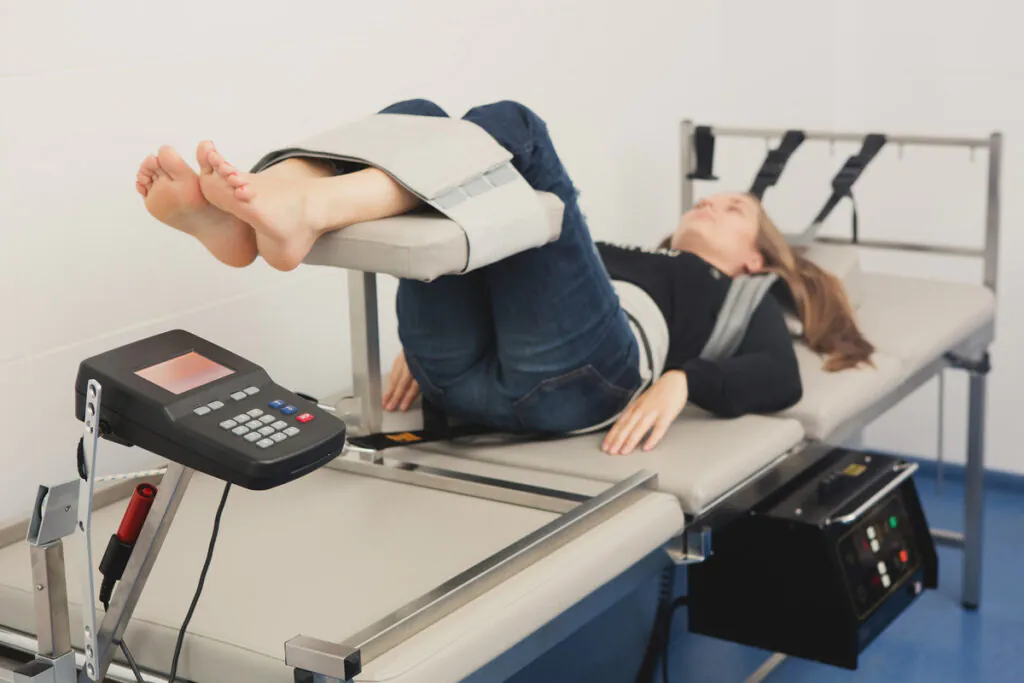
When you experience a sports injury, it's easy to think you can tough it out or self-treat, but seeking professional help is essential. Not only does expert assessment provide an accurate diagnosis, but it also sets the stage for a tailored recovery plan that can greatly cut down your downtime. Understanding the severity of your injury can also shape your approach to training and competition moving forward. So, what are the key reasons you should prioritize getting help? Let's explore the benefits that could change how you handle your athletic journey.
Preventing Further Damage
When you experience a sports injury, it's crucial to take immediate steps to prevent further damage. Ignoring the pain or pushing through it can lead to more serious complications. First, you should stop whatever activity you're doing as soon as you notice any discomfort. Continuing to play can exacerbate the injury, making recovery more difficult.
Next, assess the situation. If you can, evaluate the injury by checking for swelling, bruising, or anything unusual. If you notice significant swelling or can't move the affected area, it's best to seek medical attention right away.
Remember to apply the R.I.C.E. method—Rest, Ice, Compression, and Elevation. This approach helps reduce pain and swelling, giving your body a chance to heal.
While resting, avoid putting weight on the injured area. Use crutches or a brace if necessary to keep weight off it and protect yourself from further harm. Additionally, ice the injury for 15-20 minutes every hour, especially within the first 48 hours. This helps reduce inflammation and provides pain relief.
Using compression bandages can also help manage swelling, but don't wrap too tightly as that can restrict blood flow. Elevating the injured area above heart level helps minimize swelling as well.
Accelerating Recovery Time
To speed up your recovery time after a sports injury, it's vital to follow a structured rehabilitation plan. This plan should be tailored to your specific injury and needs, allowing you to regain strength and mobility effectively. Sticking to your rehabilitation schedule is important; consistency plays a significant role in how quickly you heal.
Incorporate targeted exercises into your routine. These exercises not only strengthen the injured area but also improve overall function, helping you return to your sport sooner. Gradually increasing the intensity and complexity of these exercises will keep your progress on track.
Don't forget to listen to your body; if something doesn't feel right, it's important to adjust your approach.
Rest is just as important as activity. Giving your body adequate time to recover between sessions can prevent further injury and promote healing. Along with rest, maintaining a balanced diet rich in nutrients can speed up recovery. Focus on consuming plenty of protein, vitamins, and minerals to support tissue repair.
Hydration is another key factor often overlooked. Staying well-hydrated aids in overall recovery and can help reduce inflammation. Additionally, consider incorporating ice or heat therapy, depending on your injury. Cold therapy can minimize swelling, while heat can promote blood flow and relaxation.
Finally, stay positive and patient. Mental resilience can impact physical recovery, so keeping a positive mindset can help you stay motivated throughout your rehabilitation journey.
Accessing Professional Expertise
After implementing a structured rehabilitation plan, accessing professional expertise can further enhance your recovery from a sports injury. Engaging with specialists not only provides you with tailored advice but also guarantees you're following the most effective path to recovery.
Here's why reaching out to professionals is essential:
- Injury Assessment: Professionals possess the skills to accurately assess your injury. They can identify underlying issues that may not be apparent to you, guaranteeing you address all aspects of your condition.
- Guidance on Techniques: Coaches and physical therapists can offer specific techniques to improve your performance and prevent future injuries. Their experience allows them to teach you proper mechanics that can make a significant difference.
- Motivation and Accountability: Working with a professional keeps you motivated and accountable. They can track your progress, pushing you to reach your goals while adapting your rehabilitation as needed.
- Access to Advanced Treatments: Professionals often have access to advanced treatments and technologies that can expedite your recovery. Whether it's specialized equipment or innovative therapies, these resources can make a big difference in your healing process.
Customized Treatment Plans
When you're recovering from a sports injury, having a customized treatment plan can make all the difference.
You'll benefit from individualized recovery strategies and targeted rehabilitation techniques tailored to your specific needs.
Plus, ongoing progress monitoring guarantees you're on track to getting back to your game effectively.
Individualized Recovery Strategies
Every athlete's journey back from an injury is unique, requiring tailored recovery strategies that address individual needs.
This personalization is vital for guaranteeing you regain strength and functionality while minimizing the risk of re-injury.
When you seek help, professionals will assess your specific situation and create a customized plan that may include:
- Assessment of Your Injury: A thorough evaluation helps identify the extent of your injury and any underlying issues that need addressing.
- Goal Setting: Together, you'll establish realistic and achievable goals for your recovery, focusing on both short-term and long-term outcomes.
- Personalized Exercises: Your recovery plan may include specific exercises designed to strengthen the affected area while considering your overall fitness level and sport requirements.
- Ongoing Monitoring: Regular check-ins with your healthcare provider guarantee your progress is tracked, allowing for adjustments to your plan as needed.
Targeted Rehabilitation Techniques
As you move forward in your recovery, implementing targeted rehabilitation techniques can greatly enhance your healing process. These customized treatment plans are designed specifically for your injury and personal needs, ensuring that you get the best possible care.
Your rehabilitation should focus on restoring strength, flexibility, and coordination, which are vital for returning to your sport safely.
Start by working with a qualified physical therapist who understands your specific injury and athletic goals. They'll assess your condition and develop a tailored program that may include exercises to improve range of motion, strength training, and balance activities.
It's important to stay committed to your plan and progress at a pace that suits your recovery.
Incorporating modalities like ultrasound, electrical stimulation, or manual therapy can also accelerate healing and alleviate pain.
Ongoing Progress Monitoring
Monitoring your progress is essential for ensuring your customized treatment plan remains effective and relevant to your recovery. Regular check-ins allow you to assess your healing and adjust your approach as needed. This proactive strategy helps you stay on track and reach your goals more efficiently.
Here are four key benefits of ongoing progress monitoring:
- Personalized Adjustments: Regular assessments help your healthcare provider tailor your treatment plan to your evolving needs, ensuring it's always suited to your condition.
- Motivation Boost: Tracking your progress can motivate you. Seeing improvements, no matter how small, encourages you to stay committed to your rehabilitation efforts.
- Injury Prevention: Continuous monitoring helps identify any potential setbacks early. This way, you can address issues before they become significant problems, reducing the risk of re-injury.
- Enhanced Communication: Open dialogue with your healthcare team allows for better understanding and feedback. You can express concerns or challenges, leading to more effective solutions.
Understanding Injury Severity
When you face a sports injury, understanding its severity is essential for proper recovery.
You'll want to recognize the different types of injuries, apply the R.I.C.E. method effectively, and identify key signs that indicate how serious your situation is.
This knowledge can make all the difference in your treatment and return to play.
Types of Sports Injuries
Understanding the different types of sports injuries is essential for athletes at any level, as it can greatly influence recovery strategies and performance.
Injuries can vary widely in type and severity, and knowing what you're dealing with can help you make informed decisions about treatment and prevention.
Here are four common types of sports injuries you might encounter:
- Sprains: These occur when ligaments, which connect bones, are stretched or torn. They often happen in the ankle or knee and can range from mild to severe.
- Strains: Strains involve muscles or tendons being overstretched or torn. Commonly affected areas include the hamstrings and lower back, and they can also vary in severity.
- Fractures: A fracture is a break in the bone, which can be either complete or partial. They often require medical attention and longer recovery times.
- Contusions: Also known as bruises, contusions happen when blood vessels are damaged due to a direct impact, causing pain and swelling.
Recognizing these injury types can help you take the right steps towards recovery and get back to your sport safely.
R.I.C.E. Method Explained
How can you effectively manage a sports injury? The R.I.C.E. method is a proven strategy that can help you address minor injuries promptly. R.I.C.E. stands for Rest, Ice, Compression, and Elevation.
First, Rest is essential. By taking a break from the activity that caused the injury, you give your body a chance to heal.
Next, apply Ice to the injured area. This helps reduce swelling and numbs the pain. Make sure to wrap ice in a cloth to avoid direct contact with your skin.
Compression involves using an elastic bandage to wrap the injured area. This helps control swelling and provides support. Be careful not to wrap it too tightly, as this can cut off circulation.
Finally, Elevation is key. Elevating the injured body part above heart level can further minimize swelling and improve blood flow to the area.
Signs of Severity
Recognizing the signs of injury severity is essential for effective management and recovery. When you're injured, it's vital to assess how serious the situation is so you can take appropriate action.
Here are some key indicators that your injury might be more severe than you think:
- Intense Pain: If you experience sharp or unbearable pain, it could signal a serious injury, such as a fracture or ligament tear.
- Swelling and Bruising: Significant swelling or extensive bruising around the injured area can indicate tissue damage or internal bleeding.
- Limited Range of Motion: If you can't move the injured area without pain or difficulty, it's a sign that you may need professional evaluation.
- Numbness or Tingling: Experiencing numbness or tingling can indicate nerve involvement, which requires immediate medical attention.
If you notice any of these signs, don't hesitate to seek help. Early intervention can prevent further complications and set you on the path to recovery.
Reducing Risk of Re-Injury
Consistently following a structured rehabilitation program is essential for reducing the risk of re-injury after a sports-related injury. When you sustain an injury, your body undergoes changes that may leave it vulnerable. A well-designed rehab program helps you regain strength, flexibility, and stability, ensuring your body is ready for the demands of your sport.
During rehabilitation, you'll likely work with a physical therapist who'll assess your specific needs and monitor your progress. They'll guide you through exercises focused on restoring function and preventing future injuries. By adhering to their recommendations, you're not just healing; you're also building a foundation for long-term athletic performance.
It's important to listen to your body throughout this process. If you feel pain or discomfort while performing your rehab exercises, don't push through it. Communicate with your therapist to adjust your program as necessary. Skipping steps or rushing back into full activity can set you up for re-injury.
Additionally, incorporating preventative measures into your routine can further reduce risks. This includes warm-up and cool-down exercises, proper stretching, and strength training to support your muscles and joints.
Staying hydrated and maintaining a balanced diet also play significant roles in your overall recovery.
Enhancing Performance Post-Recovery
Once you've completed your rehabilitation and are ready to return to your sport, focusing on enhancing performance becomes a priority.
It's essential not just to get back in the game but to perform better than before. Here are some strategies to help you maximize your potential post-recovery:
1. Set Specific Goals: Identify what you want to achieve in your sport. Whether it's improving speed, strength, or technique, having clear goals will keep you motivated and focused.
2. Incorporate Cross-Training: Engage in complementary activities that can boost your overall fitness.
Swimming, cycling, or yoga can enhance your endurance, flexibility, and strength without putting undue stress on your recovering body.
3. Prioritize Nutrition: A balanced diet plays a pivotal role in recovery and performance.
Confirm you're fueling your body with the right nutrients, including proteins for muscle repair and carbohydrates for energy.
4. Work with Professionals: Collaborate with coaches, trainers, or physical therapists who can provide personalized guidance.
They can help you refine your techniques and avoid any bad habits that may have developed during your time off.
Conclusion
Injuries can sideline you, but seeking help is the key to bouncing back stronger. By getting a professional assessment, you not only prevent further damage but also speed up your recovery. With customized treatment plans and expert guidance, you'll understand the severity of your injury and reduce the risk of re-injury. Plus, you'll enhance your performance when you return to your sport. Don't hesitate—reach out for the support you need to stay in the game!