When you think about creating a personalized wellness plan, it's crucial to start with a clear understanding of your current health and lifestyle. You might find that evaluating your situation brings to light areas that need attention. Setting achievable goals tailored to your unique needs can make a significant difference in your journey. But how do you guarantee that your plan remains effective and enjoyable over time? There are several strategies to contemplate, and the right approach can transform your efforts into lasting habits. Let's explore some key tips that could change the way you view wellness.
Assess Your Current Health
To create an effective personalized wellness plan, you first need to evaluate your current health. Begin by taking a close look at your physical, mental, and emotional well-being. This means considering factors such as your weight, diet, exercise habits, sleep quality, and stress levels. A detailed evaluation helps you understand where you're starting from, allowing you to identify areas for improvement.
Next, consider scheduling a visit with your healthcare provider for a thorough check-up. They can offer insights into your overall health through blood tests, screenings, and other evaluations. Pay attention to any existing medical conditions, allergies, or medications you're taking, as these can greatly impact your wellness journey.
Don't forget to reflect on your mental and emotional health, too. Take note of your mood patterns, stress triggers, and coping mechanisms. Journaling or talking with a trusted friend can help clarify your thoughts and feelings. This holistic approach guarantees you're not just focusing on physical health but also on mental well-being.
Finally, track your current lifestyle habits. Record your daily activities, food intake, and sleep patterns for a week. This data will help you see trends and identify unhealthy habits that may be holding you back.
Define Your Wellness Goals
With a clear understanding of your current health, it's time to set specific wellness goals that resonate with your aspirations. Think about what you truly want to achieve. Do you want to lose weight, improve your fitness level, boost your energy, or manage stress? Identify the areas of your life that need attention and where you envision the most positive change.
When setting these goals, make sure they're SMART: Specific, Measurable, Achievable, Relevant, and Time-bound. Instead of saying, "I want to get fit," try, "I'll exercise for 30 minutes, five days a week for the next three months." This clarity gives you a clear path to follow.
Break your goals down into smaller, manageable steps. This not only prevents overwhelm but also helps you to track progress. Celebrate small wins along the way, as they're essential for staying motivated. For example, if your goal is to run a 5K, start by aiming for shorter distances and gradually increase as you build endurance.
Remember to stay flexible. Life can throw unexpected challenges your way, so be prepared to adjust your goals as needed. It's important to maintain a balance between pushing yourself and being realistic about what you can achieve.
Identify Your Preferences
Understanding your personal preferences is essential for creating a wellness plan that truly resonates with you. When you're mindful of what you enjoy and what works for your lifestyle, you'll be more likely to stick to your plan and see the results you want.
It's time to dig deep and identify those preferences that align with your wellness goals.
Start by considering these key areas:
- Activity Types: Do you prefer high-energy workouts like running or cycling, or do you lean more towards low-impact activities like yoga or walking? Knowing what you enjoy can make all the difference in consistency.
- Time of Day: Are you an early bird or a night owl? If you know you're more energized in the morning, try to schedule your workouts during that time. On the other hand, if you feel more motivated after a long day, plan your activities accordingly.
- Environment: Think about where you feel most comfortable exercising. Do you thrive in a gym setting, or do you prefer the outdoors? Maybe you enjoy group classes or even solo workouts at home.
Incorporate Variety in Activities
To keep your wellness journey engaging, mix up your activities regularly.
Try different exercises, explore new hobbies, and change your workout environment to find what truly energizes you.
Explore Different Exercises
Incorporating a variety of exercises into your routine not only keeps things interesting but also enhances your overall fitness. By mixing different types of workouts, you can target various muscle groups, improve your endurance, and prevent boredom.
Here are three effective ways to explore different exercises:
- Strength Training: Incorporate weights or resistance bands into your routine. This builds muscle and boosts metabolism. You can start with bodyweight exercises like squats and push-ups, then gradually add weights as you progress.
- Cardiovascular Activities: Engage in activities that elevate your heart rate. Running, cycling, or dancing can be excellent choices. Aim for at least 150 minutes of moderate-intensity cardio each week to improve heart health and stamina.
- Flexibility and Balance: Don't forget to include exercises like yoga or Pilates. These not only enhance flexibility but also promote mental well-being and balance. Try dedicating a day each week to focus solely on these practices.
Try New Hobbies
Trying out new hobbies can really shake things up and add excitement to your routine. Engaging in different activities not only keeps boredom at bay but also stimulates your mind and body in unique ways.
Whether it's painting, gardening, or learning a musical instrument, experimenting with new interests can boost your overall well-being.
Start by exploring hobbies that you've always found intriguing but never had the chance to try. Maybe it's cooking a new cuisine or joining a local dance class.
Don't hesitate to step out of your comfort zone; you might discover a hidden talent or passion.
Incorporating variety into your activities can also enhance your social life. Join clubs or groups related to your new interests to meet like-minded individuals and build connections.
As you engage in these new hobbies, you'll not only learn new skills but also experience a sense of accomplishment that contributes positively to your mental health.
Change Workout Environments
Shaking up your workout routine can be just as invigorating as exploring new hobbies. Changing your workout environment not only keeps things fresh but also helps you target different muscle groups and improve your overall fitness.
So, why not take your workouts outside the gym or switch up your surroundings? Here are three ideas to get you started:
- Outdoor Spaces: Trade the treadmill for a park. Running or cycling outside can boost your mood while connecting you with nature. Look for trails or parks nearby to make your workouts feel like an adventure.
- Community Classes: Join a local fitness class, whether it's yoga in the park or a boot camp at a community center. Engaging with others can provide motivation and introduce you to new exercises you mightn't try alone.
- Home Workouts: Create a designated workout space at home. Whether it's a corner of your living room or your backyard, having a dedicated area can make it easier to commit to your fitness goals without the distractions of everyday life.
Monitor Your Progress
To truly benefit from your wellness plan, you need to monitor your progress regularly.
Track your metrics and set clear goals to see how far you've come.
If you notice any setbacks, don't hesitate to adjust your approach as needed.
Track Your Metrics
Tracking your metrics is essential for monitoring your progress and ensuring your personalized wellness plan is effective. By keeping an eye on specific indicators, you can better understand what's working and what needs adjustment.
Here are three key metrics to track:
- Physical Activity: Log your daily exercise routines, noting the duration, intensity, and type of workouts. This helps you see patterns and identify areas for improvement.
- Nutrition: Keep a food diary to monitor your daily intake of macronutrients and micronutrients. This allows you to evaluate how your diet supports your wellness goals and make necessary adjustments.
- Sleep Quality: Track your sleep duration and quality. Understanding your sleep patterns can help you make lifestyle changes that improve your overall well-being.
Set Clear Goals
How can you guarantee that your personalized wellness plan is truly effective? Start by setting clear, attainable goals. Without specific targets, it's easy to lose focus and motivation.
Define what you want to achieve, whether it's losing weight, improving your fitness level, or enhancing your mental well-being. Break these goals down into smaller, measurable milestones.
For instance, instead of saying, "I want to lose weight," set a goal like, "I'll lose 5 pounds in the next month." This gives you a concrete target to aim for and a timeframe to work within.
Once you've established your goals, it's crucial to monitor your progress. Track your achievements regularly, and don't hesitate to adjust your methods if you're not seeing the results you want.
Keeping a journal can be immensely helpful as it allows you to reflect on what's working and what isn't.
Adjust as Needed
Monitoring your progress is key to ensuring your wellness plan stays on track. It helps you identify what's working and what isn't, allowing you to make necessary adjustments. Regular check-ins can keep you motivated and focused on your goals.
Here are three effective ways to monitor your progress:
- Track Your Activities: Use a journal or an app to log your workouts, meals, and sleep patterns. This will give you a clear picture of your habits and help you pinpoint areas for improvement.
- Set Milestones: Break your goals into smaller, achievable milestones. Celebrate these small victories to maintain motivation and assess how close you're to reaching your larger objectives.
- Reflect Regularly: Take time each week or month to reflect on your journey. Ask yourself what challenges you've faced, what successes you've achieved, and whether your current plan aligns with your evolving needs.
Adjust as Necessary
Adjusting your personalized wellness plan is essential for achieving lasting results. As you commence on your wellness journey, remember that what works today mightn't work tomorrow. Life changes, and so should your approach to wellness. Regularly assess your goals, routines, and progress to guarantee they align with your evolving needs.
Start by tracking your progress. Whether it's through a journal, an app, or a simple checklist, keeping tabs allows you to identify patterns and areas needing improvement. If you find yourself consistently skipping workouts or feeling unmotivated, it's time to adjust your plan. Perhaps your workout schedule is too demanding, or you're not enjoying the activities you've chosen.
Next, listen to your body. If you're experiencing fatigue or discomfort, consider modifying your exercise intensity or incorporating more rest days. Wellness isn't about pushing through pain; it's about finding a sustainable balance. Similarly, if your nutritional choices aren't making you feel energized, reevaluate your meal plan. Experiment with new recipes or adjust portion sizes to better suit your lifestyle.
Finally, don't hesitate to revisit your goals. As you grow and learn about yourself, your objectives may change. Set aside time monthly or quarterly to reflect on your achievements and setbacks. This reflection will guide you in making necessary adjustments, guaranteeing your wellness plan remains effective and enjoyable.
Embrace the process, and remember that flexibility is key to long-term success.
Seek Professional Guidance
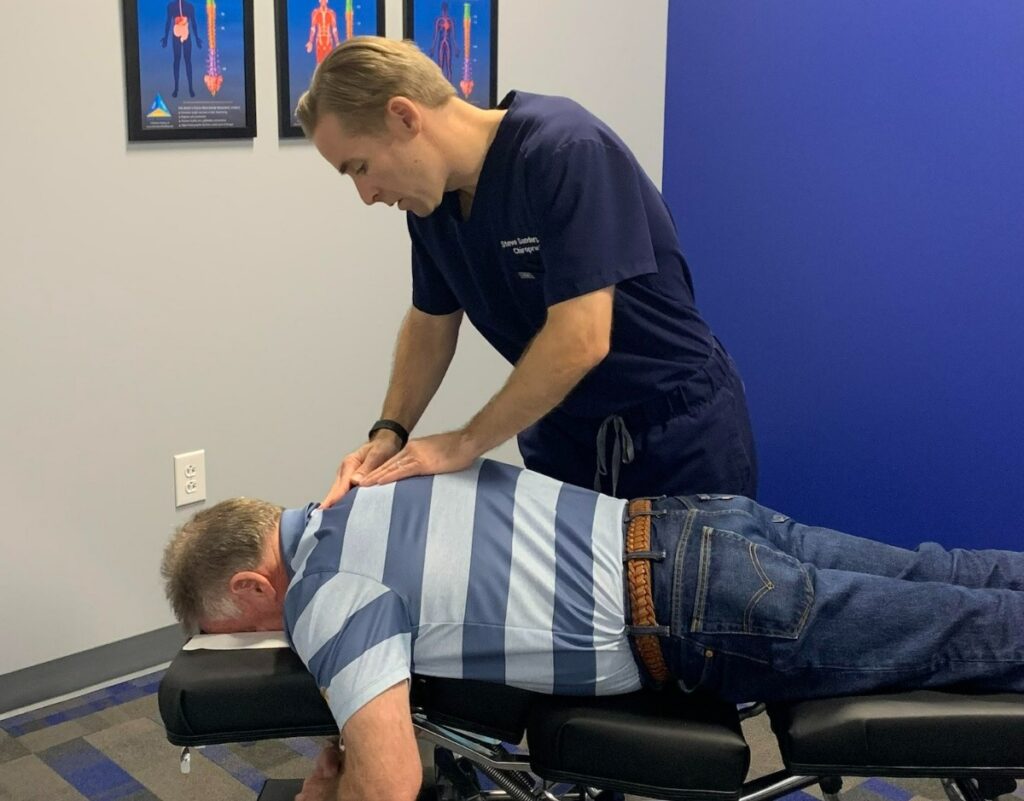
Sometimes, despite your best efforts to adjust your wellness plan, you might find yourself feeling stuck or overwhelmed. When this happens, seeking professional guidance can be a game-changer. Experts in the field can offer tailored advice that aligns with your unique needs and goals.
Here's how professional guidance can help you move forward:
- Personalized Assessments: Professionals can conduct detailed assessments of your physical health, mental well-being, and lifestyle habits. This information helps them create a customized plan that addresses your specific challenges and aspirations.
- Accountability and Support: Having a coach, therapist, or nutritionist in your corner provides a layer of accountability. They can motivate you to stay on track, celebrate your successes, and help you navigate setbacks with ease.
- Knowledge and Expertise: Professionals stay current with the latest research and best practices in wellness. They can offer insights that you mightn't have considered, from nutritional advice to stress management techniques, enhancing your overall approach to well-being.
Whether you choose a dietitian, personal trainer, or mental health professional, their expertise can empower you to make informed decisions and achieve your wellness goals.
Don't hesitate to reach out for help; it's a crucial step toward a healthier, more fulfilling life. By seeking professional guidance, you're investing in yourself and your long-term well-being.
Conclusion
By taking the time to assess your health and define clear goals, you set a strong foundation for your personalized wellness plan. Remember to incorporate activities you enjoy and keep things fresh to stay motivated. Regularly monitoring your progress helps you stay on track, and don't hesitate to adjust your plan as needed. Finally, seeking professional guidance can provide the support you need to achieve your wellness journey. Embrace these tips, and you'll thrive!