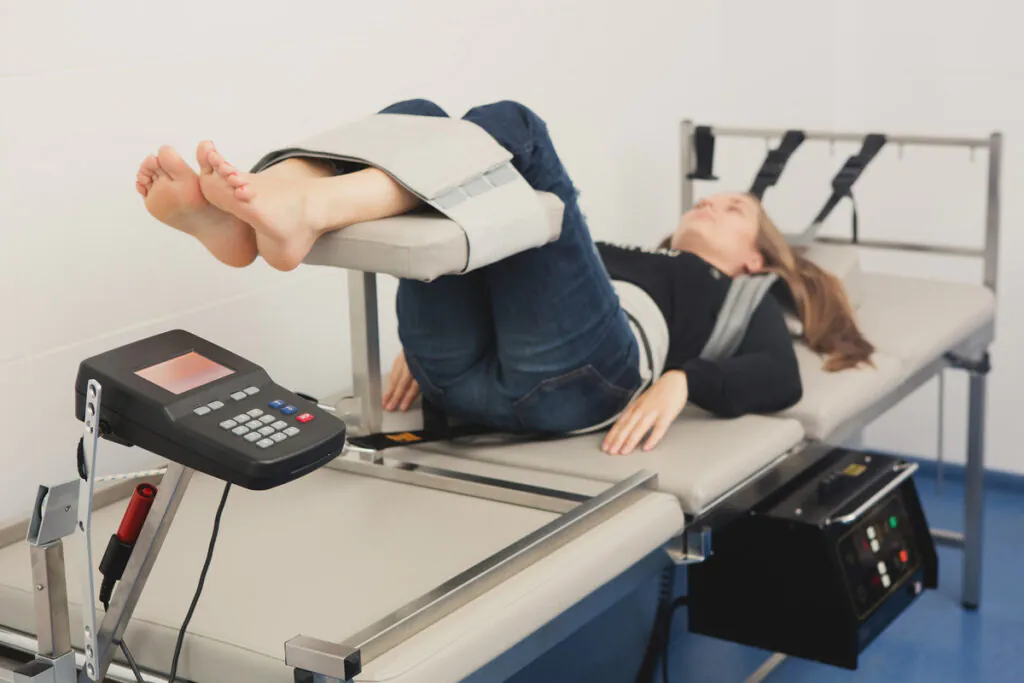
If you're struggling with neck pain, you might be wondering if certain methods can truly provide relief. Exploring techniques like physical therapy, chiropractic care, and ergonomic changes could be more beneficial than you think. These approaches can address the underlying issues contributing to your discomfort, but the effectiveness often hinges on how well they're tailored to your specific situation. As you consider these options, you may find some surprising alternatives that could enhance your recovery. What if there are additional strategies that could make a significant difference in your daily comfort?
Understanding Neck Pain
Neck pain often arises from various sources, and understanding its causes is vital for effective relief. You might experience discomfort due to muscle strain, poor posture, or even sleeping in an awkward position. Regularly looking down at your phone or computer screen can lead to muscle tension and stiffness, which contributes to your neck pain.
Injuries from accidents or falls can also play a significant role in developing neck issues. Whiplash, for example, is a common injury that occurs during car accidents and results in pain and limited mobility. If you've recently been in an accident and notice neck pain, it's important to consult a healthcare professional.
In addition to injuries, certain medical conditions can lead to neck pain. Arthritis, for instance, can cause inflammation and stiffness in the cervical spine. Disc degeneration can also lead to discomfort, as the cushioning discs between your vertebrae wear down over time.
Stress and tension can be underlying factors as well. When you're stressed, you might unconsciously tense your neck muscles, leading to discomfort. Identifying these stressors can help you manage your neck pain more effectively.
Ultimately, recognizing the source of your neck pain is the first step toward relief. By understanding the different causes, you can take proactive measures to alleviate your symptoms and improve your overall neck health.
Physical Therapy Techniques
When it comes to relieving neck pain, physical therapy techniques can make a significant difference.
You can benefit from stretching and strengthening exercises, manual therapy, and effective posture correction strategies.
Let's explore how each of these approaches can help you regain comfort and mobility.
#
Stretching and Strengthening Exercises
Incorporating stretching and strengthening exercises into your routine can markedly alleviate neck pain and improve overall mobility. These exercises target the muscles in your neck, upper back, and shoulders, helping to relieve tension and enhance flexibility.
Start with gentle neck stretches, like tilting your head side to side and rotating it slowly. Hold each position for 15 to 30 seconds, breathing deeply to promote relaxation. You can also try shoulder rolls, which help to release tightness in the upper back.
Once you've warmed up, consider strengthening exercises. Simple activities like shoulder shrugs or resistance band pulls can build the muscles that support your neck. Aim for two to three sets of 10 to 15 repetitions for each exercise, focusing on controlled movements.
Consistency is key. Try to incorporate these exercises into your routine several times a week. As you progress, you can gradually increase the intensity or duration.
Always listen to your body; if something doesn't feel right, stop and consult with a professional. By actively engaging in stretching and strengthening, you're taking positive steps toward long-term neck pain relief.
Manual Therapy Techniques
Manual therapy techniques can effectively alleviate neck pain by addressing the underlying musculoskeletal issues. These hands-on approaches help restore mobility, reduce muscle tension, and enhance blood flow to the affected areas. When you engage in manual therapy, a trained therapist uses various methods, such as mobilization and manipulation, to relieve pain and improve function.
During a session, you might experience gentle stretching and rhythmic movements that target your neck and upper back. These techniques help release tight muscles and improve joint mobility, making it easier for you to move your neck without discomfort.
You could also benefit from soft tissue techniques, like myofascial release or trigger point therapy, which focus on specific areas of tension, helping to alleviate pain.
It's essential to communicate with your therapist about your symptoms and any past injuries. They'll tailor the treatment to your specific needs, ensuring a more effective outcome.
Posture Correction Strategies
How can you improve your neck pain through better posture? By making small adjustments to how you sit, stand, and move, you can greatly reduce discomfort. Here are three effective posture correction strategies to contemplate:
1. Ergonomic Workspace: Verify your desk setup promotes good posture. Your computer screen should be at eye level, and your chair should support your lower back. Keep your feet flat on the floor and your arms at a 90-degree angle when typing.
2. Mindful Sitting and Standing: When sitting, keep your back straight and shoulders relaxed. Avoid slumping or leaning forward.
While standing, distribute your weight evenly on both feet and engage your core muscles. This alignment helps reduce strain on your neck.
3. Stretch and Strengthen: Incorporate neck and upper back stretches into your daily routine. Strengthening exercises for the upper back can improve your posture and support better alignment.
Implementing these strategies can lead to long-term relief from neck pain. Remember, consistency is key, so commit to these changes for the best results.
Chiropractic Adjustments
Chiropractic adjustments can offer significant benefits for neck pain relief, helping to realign your spine and improve mobility.
You'll learn about various adjustment techniques tailored to your specific needs and how they can provide long-term pain relief.
Understanding these methods can empower you to make informed choices about your neck health.
Benefits of Chiropractic Care
When it comes to alleviating neck pain, chiropractic adjustments offer a powerful solution that targets both the symptoms and underlying causes. You might be surprised to learn how effective these adjustments can be in improving your overall well-being.
Here are three key benefits you can experience through chiropractic care:
- Pain Relief: Chiropractic adjustments help reduce muscle tension and alleviate pain in the neck area, allowing you to move more freely and comfortably.
- Improved Range of Motion: Regular adjustments can enhance your neck's flexibility and mobility. This means you'll be able to turn your head more easily and perform daily activities without discomfort.
- Enhanced Posture: Chiropractic care addresses spinal alignment issues, which can contribute to poor posture. Better posture not only reduces neck pain but also decreases stress on other parts of your body.
Incorporating chiropractic adjustments into your routine can make a significant difference in your neck pain management.
By focusing on the root causes, you'll not only find relief but also enjoy a healthier, more active lifestyle.
Don't hesitate to explore this option for your neck pain relief journey!
Adjustment Techniques Explained
Numerous adjustment techniques can effectively address neck pain, each tailored to your specific needs. Chiropractors use various methods to restore proper alignment and mobility in your cervical spine, helping alleviate discomfort.
One common technique is the spinal manipulation, where the chiropractor applies a controlled force to specific joints in your neck. This method aims to enhance range of motion and reduce nerve irritability.
You might also encounter the Activator Method, which uses a small, handheld device to deliver gentle impulses to your spine, promoting alignment without the traditional popping sound.
Another option is the Gonstead technique, focusing on examining the entire spine to identify misalignments before applying precise adjustments. This method is particularly beneficial for individuals with specific pain areas.
Additionally, the Thompson technique employs a drop table to assist in adjustments, allowing for a lighter force while maintaining effectiveness.
Long-term Pain Relief
Finding long-term pain relief often requires a thorough approach that goes beyond immediate adjustments. While chiropractic adjustments can offer quick relief, sustainable results depend on integrating various strategies into your routine.
Here are three key components to contemplate for lasting neck pain relief:
- Regular Chiropractic Visits: Maintaining a consistent schedule with your chiropractor helps guarantee that any misalignments are addressed promptly. This ongoing care can prevent the recurrence of pain.
- Strengthening Exercises: Engaging in specific neck and upper back exercises can strengthen the muscles that support your spine. This added strength can reduce the risk of future injuries and alleviate strain on your neck.
- Posture Awareness: Practicing good posture, especially during prolonged activities like sitting at a desk or using your phone, can notably impact your neck health. Being conscious of your alignment can prevent undue stress on your neck muscles.
## Stretching and Strengthening Exercises
How can stretching and strengthening exercises help alleviate neck pain? These exercises target the muscles around your neck, improving flexibility and building strength. When you regularly stretch, you increase blood flow to the area, which can reduce tension and stiffness. This can be particularly beneficial if you've been sitting for long periods or engaging in repetitive motions that strain your neck.
Incorporating simple neck stretches into your daily routine can make a significant difference. For example, try gently tilting your head to one side while keeping your shoulder down. Hold this position for about 15-30 seconds, then switch sides.
Another effective stretch involves looking left and right, holding each position to feel a gentle pull in your neck muscles. These stretches can help maintain your neck's range of motion and prevent stiffness.
Strengthening exercises are equally important. Focus on your upper back and shoulder muscles, as they support your neck. Simple moves like shoulder shrugs and rows can enhance muscle stability, reducing the likelihood of injury. Start with light weights or resistance bands, and increase the intensity as you get stronger.
Consistency is key. Aim to perform these exercises a few times a week. You'll not only alleviate existing pain but also build resilience against future discomfort.
Ergonomic Improvements
Making ergonomic improvements in your workspace can greatly reduce neck pain.
By adjusting your environment, you'll not only enhance your comfort but also boost your productivity.
Here are three key changes you can implement today:
1. Adjust Your Monitor Height: Position your computer screen at eye level. This way, you won't have to tilt your head up or down, which can strain your neck.
If you're using a laptop, consider a laptop stand or an external monitor to achieve the correct height.
2. Choose the Right Chair: Invest in an ergonomic chair that supports your lower back and encourages good posture.
Make sure it allows your feet to rest flat on the floor, and your knees should be at a 90-degree angle.
This support will help keep your spine aligned and reduce the tension in your neck.
3. Use a Headset: If you're on the phone frequently, switch to a headset.
This allows you to keep your neck in a neutral position instead of cradling the phone between your shoulder and ear, which can lead to muscle strain.
Alternative Therapies
Ever wondered how alternative therapies could ease your neck pain? These methods offer a holistic approach that might complement traditional treatments. Many people find relief through practices like acupuncture, which involves inserting thin needles into specific points on your body. This technique aims to stimulate your body's natural painkillers and improve blood flow, potentially providing significant relief from discomfort.
Chiropractic care is another popular option. By realigning your spine and neck, a chiropractor can help alleviate tension and reduce pain. Regular adjustments mightn't just relieve your current discomfort but also help prevent future issues.
Massage therapy is also worth considering. A skilled therapist can target tight muscles and improve circulation in your neck area. This can lead to reduced stiffness and increased mobility, making it easier for you to go about your daily activities.
Yoga and stretching exercises are excellent for promoting flexibility and strength in your neck and upper body. These practices encourage relaxation and body awareness, which can help you manage pain more effectively.
Lastly, herbal remedies and supplements, like turmeric or ginger, may provide anti-inflammatory benefits. Always consult with a healthcare professional before starting any new supplement to verify it's appropriate for your specific situation.
Incorporating these alternative therapies into your pain management routine might just provide the relief you need, allowing you to live a more comfortable and active life.
Lifestyle Changes
While you mightn't realize it, simple lifestyle changes can considerably impact your neck pain. Making a few adjustments to your daily routine can help alleviate discomfort and improve your overall well-being.
Here are three effective changes you can implement today:
- Improve Your Posture: Maintaining proper posture while sitting and standing is vital for neck health. Keep your head aligned over your shoulders, and avoid slouching. Use ergonomic chairs and desks when working, and consider a standing desk option if you spend long hours at a computer.
- Limit Screen Time: Excessive use of smartphones and computers can lead to "tech neck," where prolonged bending of the neck causes strain. Try to take regular breaks every 30-60 minutes to stretch and change your position. When using devices, hold them at eye level to reduce the strain on your neck.
- Stay Active: Regular exercise strengthens the muscles supporting your neck and improves flexibility. Incorporate activities like swimming, yoga, or stretching into your routine.
Even short walks can help keep your body in motion and reduce stiffness.
When to Seek Professional Help
If you're experiencing persistent neck pain that doesn't improve with home remedies or lifestyle changes, it might be time to seek professional help. Ignoring ongoing discomfort can lead to more significant issues down the line, so it's important to listen to your body.
You should consider scheduling an appointment with a healthcare provider if your neck pain is accompanied by other symptoms, such as numbness, tingling, or weakness in your arms or hands. These signs could indicate nerve involvement that requires immediate attention.
Additionally, if you've had a recent injury or accident, it's critical to get checked out, even if the pain seems mild at first.
If your neck pain affects your daily activities or sleep, don't hesitate to consult a professional. Chronic pain can lead to frustration and anxiety, impacting your overall well-being. A healthcare provider can help identify the root cause of your discomfort and recommend appropriate treatment options.
Also, if you notice that your pain worsens over time or if you experience sudden, severe pain, it's imperative to seek care without delay. You might benefit from a physical therapist who can design a tailored exercise program, or a chiropractor who can assess your spine's alignment.
Ultimately, trusting your instincts is key. If your neck pain feels out of the ordinary or unmanageable, seeking professional help can guide you toward relief and a healthier future.
Don't let discomfort hold you back—take that important step toward recovery.
Conclusion
Incorporating these methods can make a real difference in relieving your neck pain. By combining physical therapy, chiropractic care, and ergonomic improvements, you can enhance your comfort and mobility. Don't forget to include stretching exercises and consider alternative therapies like acupuncture or massage for added relief. Remember, making healthy lifestyle changes also contributes to your overall neck health. If your pain persists, don't hesitate to seek professional help for a tailored approach to your situation.