If you’ve ever wondered whether chiropractic care is safe or helpful for young children, you’re not alone. Many parents in Fort Worth are curious about pediatric chiropractic care but aren’t quite sure what it involves or why they might consider it for their little ones. The idea of taking a child to a chiropractor can feel unfamiliar, especially when most of us associate chiropractic adjustments with back pain relief for adults. But pediatric chiropractic care is a specialized, gentle approach focused on supporting a child’s growing body and nervous system during crucial developmental stages. At Cityview Chiropractic in Fort Worth, TX, Dr. Steve Sanders provides safe, age-appropriate care designed specifically for children’s unique needs.
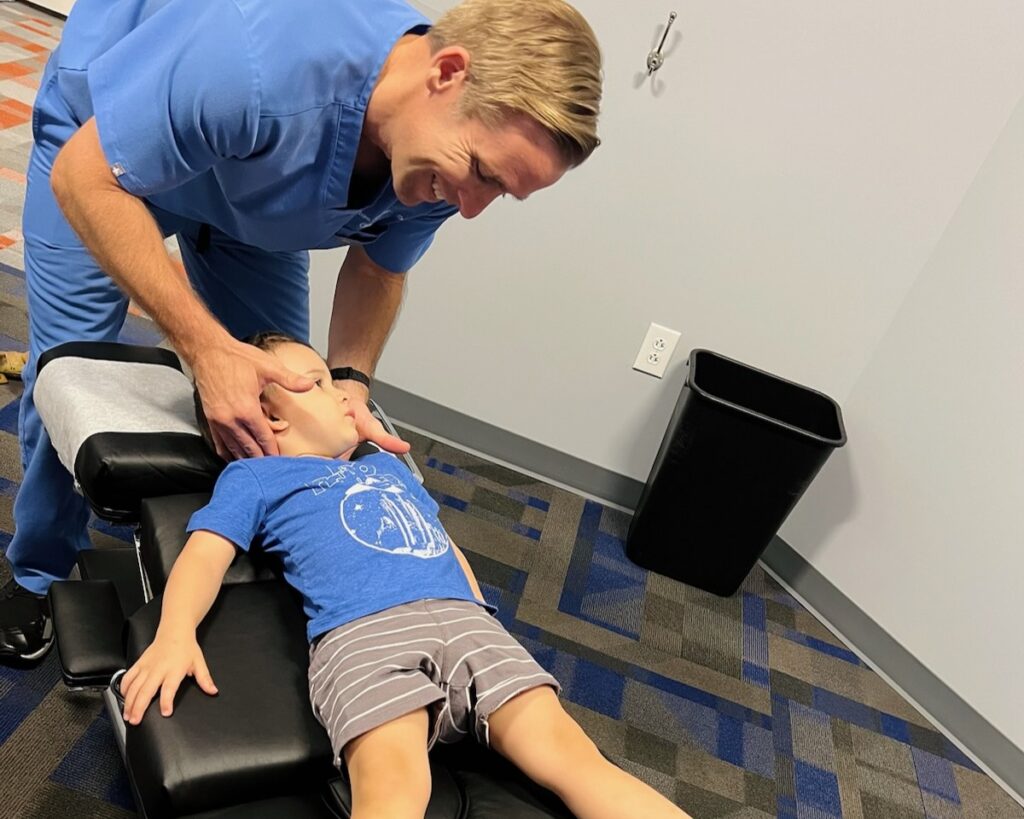
What is pediatric chiropractic care? Pediatric chiropractic care involves gentle, non-invasive techniques used to assess and support proper alignment and nervous system function in infants, toddlers, and young children. These adjustments are significantly different from adult care—using light pressure comparable to the touch you’d use to test a tomato’s ripeness—and focus on helping children’s bodies develop optimally as they grow.
Table of Contents
- Why Parents Bring Young Children to Chiropractors
- What Happens During a Pediatric Chiropractic Visit
- Common Childhood Concerns That May Benefit from Chiropractic Care
- How Pediatric Adjustments Differ from Adult Care
- Safety Considerations and Research
- When to Consider Chiropractic Care for Your Child
- Supporting Your Child’s Spinal Health at Home
- Comparison: Pediatric vs. Adult Chiropractic Techniques
- Myths vs. Facts About Pediatric Chiropractic Care
Why Parents Bring Young Children to Chiropractors
Parents bring their children to chiropractors for many different reasons. Some are seeking help with specific concerns, while others are interested in preventive wellness care to support healthy development. The birth process itself, whether vaginal or cesarean, can place considerable stress on an infant’s spine and nervous system. Research suggests that even uncomplicated births can result in spinal misalignments that may affect how a baby’s nervous system communicates with the rest of the body.
Here in Fort Worth, many families at Cityview Chiropractic come in because they notice their baby favors turning their head to one side, struggles with latching during breastfeeding, or seems uncomfortable lying in certain positions. Others seek care for older children experiencing growing pains, frequent ear infections, or sleep difficulties. Some parents simply want to ensure their child’s spine is developing properly, especially during growth spurts or as their child becomes more active in sports and physical activities.
The goal of pediatric chiropractic care isn’t to treat diseases or replace medical care. Instead, it focuses on removing interference in the nervous system and supporting the body’s natural ability to function optimally. When the spine is properly aligned, the nervous system can communicate more effectively with every cell, tissue, and organ in the body. This is particularly important during childhood, when rapid growth and development are taking place.
Dr. Steve Sanders takes a whole-child approach, considering not just symptoms but also developmental milestones, environmental factors, and family health history. This comprehensive view helps identify patterns that might benefit from gentle chiropractic support.
What Happens During a Pediatric Chiropractic Visit
If you’re considering bringing your child to Cityview Chiropractic in Fort Worth, TX, understanding what to expect can help ease any concerns. The first visit typically begins with a thorough consultation where Dr. Steve Sanders will ask about your child’s health history, birth experience, developmental milestones, and any specific concerns you have. This conversation helps establish a complete picture of your child’s health and guides the examination process.
The examination for young children is non-invasive and gentle. Dr. Steve Sanders will observe your child’s posture, movement patterns, and how they hold their body. For infants, this might include watching how they turn their head, how they move their arms and legs, and whether they show any signs of discomfort in certain positions. Older children might be asked to perform simple movements or activities that help assess spinal alignment and nervous system function.
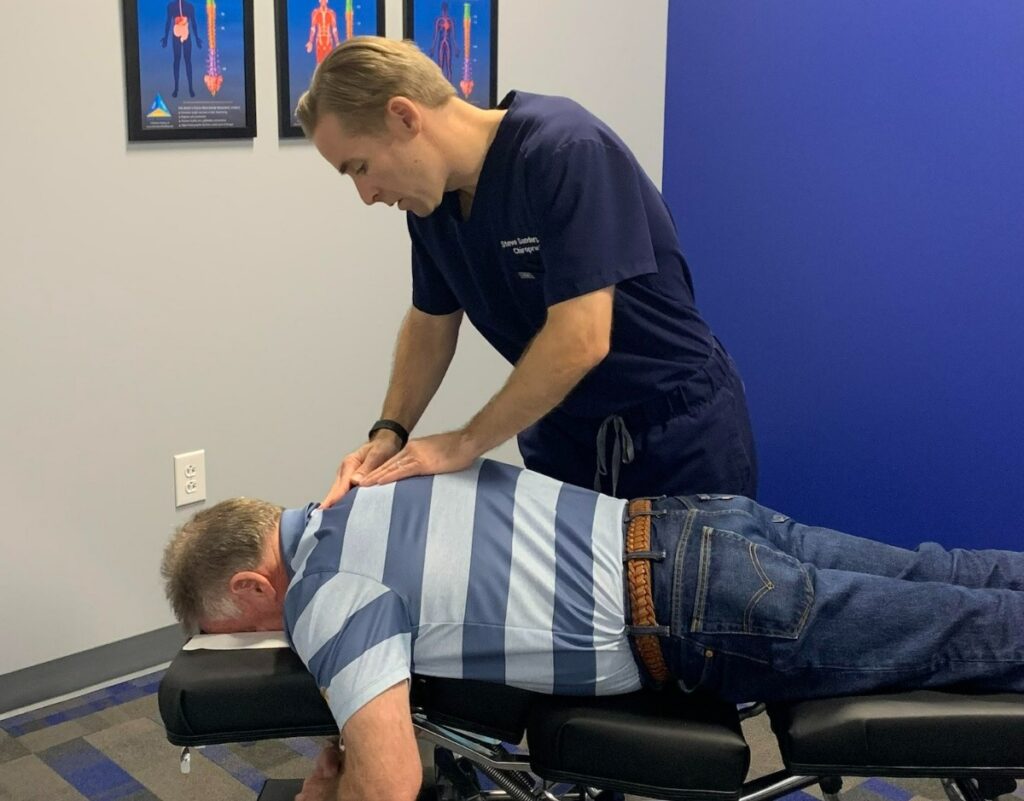
Palpation is a key part of the assessment. Using light fingertip pressure, the chiropractor feels along the spine to identify areas of restriction, tension, or misalignment. In children, these areas often feel like small bumps or areas of heat, indicating where the body may be compensating or experiencing stress.
If adjustments are recommended, parents are always present and encouraged to ask questions. Many chiropractors will demonstrate the amount of pressure they’ll use by pressing gently on the parent’s hand first. For infants, adjustments often involve no more pressure than you’d use to check if fruit is ripe. For older children, techniques are still significantly gentler than those used for adults.
Common Childhood Concerns That May Benefit from Chiropractic Care
Parents often wonder what specific issues might improve with pediatric chiropractic care. While chiropractors don’t claim to cure diseases or medical conditions, research and clinical experience suggest that chiropractic care may support the body’s natural healing abilities in several common childhood situations.
Colic and Excessive Crying: Some studies indicate that chiropractic care may help reduce crying time in colicky infants. One theory suggests that spinal misalignments from the birth process may contribute to discomfort and nervous system irritation. Gentle adjustments aim to reduce this irritation, potentially helping babies settle more easily.
Breastfeeding Difficulties: When infants have restricted movement in their neck or upper spine, they may have difficulty turning their head fully to one side, which can make latching and nursing challenging. Addressing these restrictions may improve feeding comfort for both mother and baby.
Ear Infections: While chiropractic care doesn’t treat infections directly, some evidence suggests that adjustments may help improve drainage of the eustachian tubes, potentially reducing the frequency of ear infections. The goal is to support normal anatomical function rather than fighting the infection itself.
Sleep Disturbances: Children who are uncomfortable due to spinal restrictions may have difficulty settling for sleep. By addressing physical discomfort and supporting nervous system balance, chiropractic care may contribute to improved sleep patterns.
Growing Pains and Posture Issues: As children grow rapidly, their muscles and ligaments must keep pace with bone growth. This can sometimes result in discomfort or postural imbalances. Regular chiropractic check-ins during growth spurts can help ensure the spine is adapting well to these changes.
Sports Injuries and Prevention: Young athletes benefit from maintaining proper alignment and movement patterns. Chiropractic care can address minor misalignments before they become problematic and support recovery from sports-related strains.
At Cityview Chiropractic, Dr. Steve Sanders works closely with families to determine whether chiropractic care is appropriate for their child’s specific situation and always encourages coordination with pediatricians and other healthcare providers.

How Pediatric Adjustments Differ from Adult Care
One of the most important things to understand about pediatric chiropractic care is that it looks nothing like adult care. The techniques, force, and approach are all modified to suit a child’s developing body.
For infants, adjustments typically use fingertip pressure only. The amount of force is often compared to the pressure you’d use to test a ripe avocado or tomato—generally no more than a few ounces of pressure. Some techniques involve sustained light contact rather than the quick thrusts sometimes used in adult care. These gentle touches help the infant’s body release tension and restore proper alignment without any forceful manipulation.
As children grow into toddlers and young children, techniques evolve to match their development. The force remains significantly lighter than adult adjustments, often using specialized instruments or gentle mobilization techniques. Many pediatric chiropractors use the Activator Method, which delivers a precise, low-force impulse to specific areas, or sustained contact techniques that allow the body to adjust itself.
Children often respond faster to chiropractic care than adults because their bodies are still developing and haven’t yet formed the compensatory patterns that adults develop over decades. A restriction that might require multiple visits to address in an adult may resolve in just one or two visits for a child.
The treatment environment also differs. Pediatric chiropractic offices are designed to be child-friendly, with toys, bright colors, and a welcoming atmosphere. Children are never forced to participate—if a child is upset or uncomfortable, the appointment can be rescheduled. The goal is always to create a positive experience that helps children associate chiropractic care with feeling better.
Safety Considerations and Research
Safety is understandably the top concern for any parent considering chiropractic care for their child. The good news is that when performed by a properly trained chiropractor, pediatric chiropractic care has an excellent safety record.
Research published in peer-reviewed journals indicates that adverse events from pediatric chiropractic care are extremely rare, particularly when care is provided by chiropractors trained in pediatric techniques. A systematic review published in the journal Chiropractic & Manual Therapies examined the safety of pediatric chiropractic care and found serious adverse events to be exceptionally uncommon.
Several factors contribute to this safety profile. First, chiropractors who work with children receive specialized training in pediatric assessment and treatment techniques. While all licensed chiropractors learn some pediatric techniques, many pursue additional certification through organizations that specialize in pediatric and prenatal chiropractic care.
Second, the techniques themselves are inherently low-force and gentle. Unlike adult adjustments that sometimes produce audible releases or use more forceful thrusts, pediatric techniques rely on gentle pressure, sustained contact, and the body’s own healing responses.
Third, qualified chiropractors understand when chiropractic care is not appropriate. They maintain referral relationships with pediatricians and other healthcare providers and will always refer cases that fall outside the scope of chiropractic care. Red flags such as fever, signs of infection, unexplained weight loss, or neurological symptoms warrant immediate medical evaluation rather than chiropractic treatment.
Organizations including the International Chiropractic Pediatric Association provide evidence-based guidelines for pediatric chiropractic care, ensuring practitioners have access to current research and best practices. Many chiropractors, including Dr. Steve Sanders at Cityview Chiropractic, participate in ongoing education to stay current with the latest pediatric care protocols.
When to Consider Chiropractic Care for Your Child
Knowing when chiropractic care might be appropriate for your child can help you make informed decisions about their healthcare. Here are some situations where parents in Fort Worth commonly seek pediatric chiropractic evaluation.
After Birth: Many parents schedule a checkup within the first few weeks after birth, particularly after difficult deliveries, long labors, or births involving interventions like forceps or vacuum extraction. Even in uncomplicated births, the process of moving through the birth canal places significant stress on an infant’s spine and skull.
Developmental Milestones: If your child seems delayed in reaching milestones like rolling over, sitting up, or crawling, or if they show preference for one side, a chiropractic evaluation can help determine if physical restrictions are playing a role.
After Falls or Accidents: Young children fall frequently as they learn to walk and explore. While most tumbles are harmless, repetitive falls or significant accidents can result in subtle misalignments that may not cause immediate pain but could affect movement patterns.
Posture Concerns: If you notice your child consistently tilting their head, favoring one side, or developing poor posture habits, early intervention can help prevent these patterns from becoming ingrained.
Frequent Illness or Low Immunity: While chiropractic care doesn’t treat infections, some research suggests that proper spinal alignment may support overall immune function by reducing nervous system stress.
Wellness and Prevention: Many families incorporate regular chiropractic checkups into their wellness routine, much like dental checkups, to support optimal development and catch small issues before they become larger concerns.
You should seek immediate medical care rather than chiropractic care if your child experiences high fever, difficulty breathing, lethargy, persistent vomiting, signs of meningitis, loss of consciousness, or any symptoms that concern you from a medical perspective. Chiropractic care works best as part of a collaborative healthcare approach, not as a replacement for medical care when it’s needed.
Supporting Your Child’s Spinal Health at Home
Between chiropractic visits, there are many simple ways you can support your child’s spinal health and development at home. These practices align with chiropractic principles and can enhance the benefits of professional care.
Tummy Time for Infants: Regular tummy time is crucial for developing the natural curves of the spine and strengthening neck and back muscles. Start with just a few minutes several times daily, gradually increasing as your baby gets stronger. This simple practice helps prevent flat spots on the head and encourages proper motor development.
Minimize Container Time: While car seats, bouncers, and swings serve important purposes, limiting the time your baby spends in these devices helps prevent positioning issues. When possible, carry your baby in varied positions or allow free movement on safe surfaces.
Alternate Sides: When holding, feeding, or carrying your baby, consciously alternate sides to ensure balanced muscle development. If your baby shows a strong preference for one side, gently encourage turning the other direction during play and feeding.
Proper Backpack Ergonomics: For school-age children, ensure backpacks weigh no more than ten to fifteen percent of your child’s body weight. Both straps should be worn, and the pack should sit evenly on the back with the bottom resting in the curve of the lower back.
Encourage Active Play: Movement is essential for healthy spinal development. Encourage climbing, jumping, running, and varied physical activities that challenge different movement patterns and strengthen core muscles.
Limit Screen Time Positioning: When children use tablets or phones, encourage them to bring the device to eye level rather than hunching forward. Create ergonomic homework stations with properly sized furniture that allows feet to rest flat on the floor.
Support Healthy Sleep Positions: As children grow, help them develop good sleep habits with appropriate pillow support. Very young children and infants should always sleep on their backs on firm surfaces without pillows, following safe sleep guidelines.
Model Good Posture: Children learn by watching. When you demonstrate good posture and body mechanics, your children are more likely to develop healthy habits themselves.
Comparison: Pediatric vs. Adult Chiropractic Techniques
| Aspect | Pediatric Techniques | Adult Techniques |
|---|---|---|
| Force Used | Fingertip pressure only, equivalent to testing ripe fruit (usually ounces of pressure) | Moderate to firm pressure, sometimes producing audible releases |
| Technique Type | Sustained contact, gentle mobilization, light instrument-assisted adjustments | Manual thrusts, varied manual and instrument techniques |
| Treatment Duration | Brief sessions, often 5-10 minutes, focused on specific areas | Longer sessions, typically 15-30 minutes, may address multiple areas |
| Response Time | Often rapid response due to developing body and fewer compensatory patterns | May require more visits due to established patterns and chronic adaptations |
| Frequency | Initially may be weekly, then spaced out; wellness checks every few months | May require multiple visits weekly, then maintenance care |
| Treatment Environment | Child-friendly, playful, parent present, flexible approach | Professional clinical setting, structured appointment format |
Myths vs. Facts About Pediatric Chiropractic Care
Myth: Chiropractic adjustments for children are dangerous
Fact: When performed by trained chiropractors using appropriate pediatric techniques, chiropractic care for children has an excellent safety record. Research shows serious adverse events are extremely rare, and the techniques used for children are significantly gentler than those for adults.
Myth: Babies and children don’t need chiropractic care because their spines are fine
Fact: The birth process, even uncomplicated births, can place considerable stress on an infant’s spine. Additionally, children experience numerous falls, awkward sleeping positions, and growth spurts that can affect spinal alignment. Early assessment can identify and address minor issues before they develop into larger concerns.
Myth: Pediatric adjustments will make the same cracking sound as adult adjustments
Fact: The techniques used for infants and young children rarely produce any audible sounds. The gentle pressure and sustained contact methods work with the body’s natural responses without the forceful thrusts sometimes used in adult care.
Myth: Chiropractors claim they can cure childhood illnesses
Fact: Ethical chiropractors do not claim to cure diseases or replace medical care. Instead, chiropractic care focuses on supporting nervous system function and removing physical interference that may affect the body’s natural healing abilities. Conditions like ear infections, colic, or sleep issues may improve not because chiropractic treats the condition directly, but because improved spinal function supports overall body function.
Myth: Children need to continue chiropractic care indefinitely once they start
Fact: Treatment plans are individualized based on each child’s needs. Some children may need only a few visits to address a specific issue, while others benefit from periodic wellness checkups. There’s no requirement for ongoing indefinite care, and parents always maintain the freedom to decide what’s appropriate for their family.
Final Thoughts from Cityview Chiropractic
Understanding what chiropractors do for young children can help you make informed decisions about your family’s healthcare approach. Pediatric chiropractic care is a gentle, conservative option that focuses on supporting your child’s developing spine and nervous system during the crucial early years of life. At Cityview Chiropractic in Fort Worth, TX, Dr. Steve Sanders provides specialized care designed specifically for children’s unique needs, using safe, age-appropriate techniques that differ significantly from adult care.
Whether you’re concerned about a specific issue or simply interested in supporting your child’s optimal development, pediatric chiropractic care offers a drug-free, non-invasive approach that complements medical care and wellness practices. The goal is always to help your child’s body function at its best, supporting their natural growth and development during these formative years.
If you have questions about whether chiropractic care might be right for your child, the team at Cityview Chiropractic welcomes your questions. Every child is unique, and Dr. Steve Sanders takes time to understand your family’s specific situation before recommending any care. Fort Worth families trust Cityview Chiropractic for compassionate, evidence-informed pediatric care that puts children’s wellbeing first.
Frequently Asked Questions
At what age can babies start receiving chiropractic care?
Babies can be evaluated by a chiropractor within days of birth if needed. Many parents bring newborns in for a gentle checkup within the first few weeks, particularly after difficult deliveries. The techniques used for newborns are extremely gentle and safe when performed by a chiropractor trained in pediatric care.
Does chiropractic care hurt children?
No, pediatric chiropractic techniques are designed to be comfortable for children. Most children find the experience relaxing, and many fall asleep during treatment. The pressure used is very gentle—comparable to the touch you’d use to check if fruit is ripe. If a child seems uncomfortable, the chiropractor will adjust their approach or reschedule the appointment.
How many visits will my child need?
The number of visits varies depending on your child’s specific situation. Some issues resolve in just one to three visits, while others may benefit from periodic wellness checkups. Children often respond faster than adults because their bodies haven’t developed long-standing compensatory patterns. Your chiropractor will discuss a recommended plan and adjust it based on your child’s progress.
Should I tell my pediatrician if my child sees a chiropractor?
Yes, it’s beneficial for all of your child’s healthcare providers to be aware of the care they’re receiving. Most pediatricians appreciate knowing about all aspects of their patients’ health management. Chiropractic care works best as part of a collaborative healthcare approach, and communication between providers supports the best outcomes for your child.
Can chiropractic care prevent ear infections in children?
While chiropractic care doesn’t prevent infections directly, some research suggests that adjustments may support better drainage of the eustachian tubes, potentially reducing the frequency of ear infections. By improving the function of structures around the ear and supporting nervous system function, chiropractic care may help the body maintain better ear health. However, it’s not a guarantee, and medical evaluation is always appropriate for suspected infections.
What training do chiropractors need to work with children?
All licensed chiropractors receive basic pediatric training during their doctoral education. However, many chiropractors pursue additional specialized training through postgraduate programs focused specifically on pediatric and prenatal chiropractic care. These programs provide advanced training in assessment techniques, specialized gentle adjustments, and developmental considerations unique to children. When choosing a chiropractor for your child, you can ask about their pediatric training and experience.
TL;DR – Key Takeaways
- Pediatric chiropractic care uses extremely gentle techniques specifically designed for children’s developing bodies, with pressure comparable to testing ripe fruit—nothing like adult adjustments.
- Common reasons parents seek care include birth-related stress, feeding difficulties, developmental concerns, sleep issues, ear infections, growing pains, and wellness support during growth spurts.
- Safety research shows pediatric chiropractic care has an excellent safety record when performed by properly trained chiropractors using appropriate age-specific techniques.
- Children often respond faster to care than adults because their bodies are still developing and haven’t formed long-standing compensatory patterns, sometimes seeing improvements in just a few visits.
- Chiropractic care for children doesn’t replace medical care but works as a complementary, conservative approach focused on supporting nervous system function and proper spinal development during crucial growth periods.