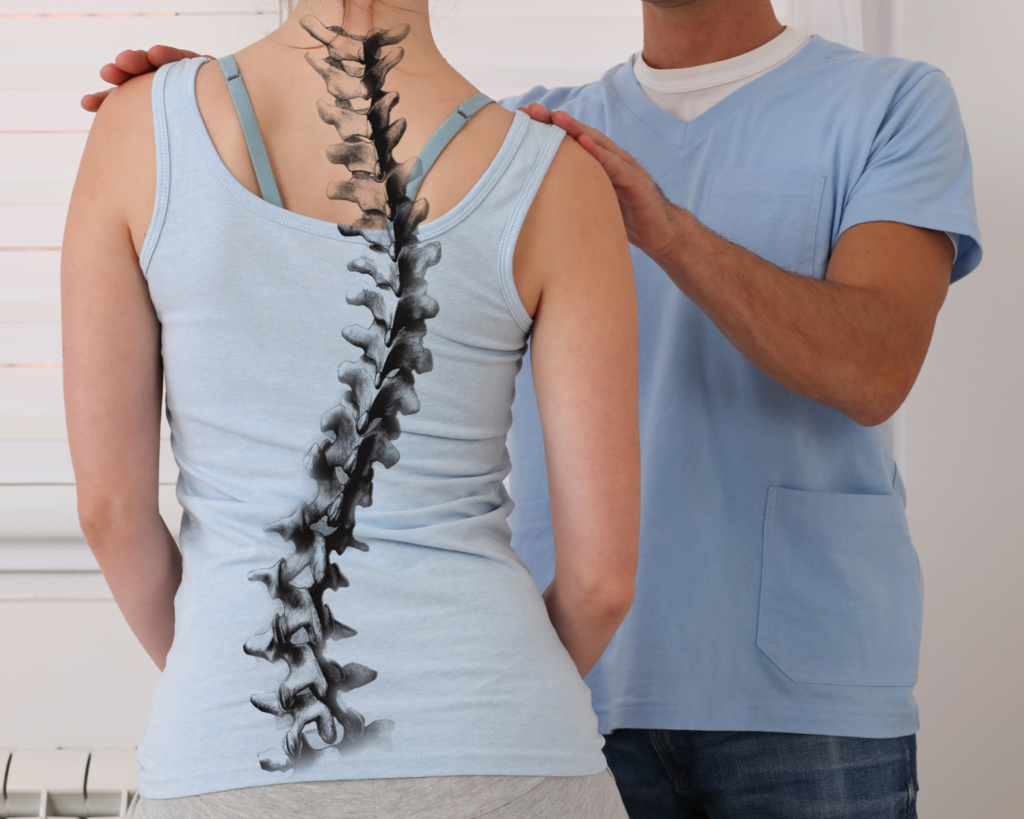
You might not realize it, but your spine plays an essential role in how you feel both physically and mentally. When your spine is misaligned, it can lead to discomfort that clouds your mood and affects your daily interactions. By focusing on spinal health, you can open a path to improved well-being that goes beyond just adjusting your attitude. Curious about how simple changes can lead to significant transformations in your life? Let's explore the connection between your spine and mind.
The Connection Between Spine and Mind
Many people don't realize how closely linked their spine is to their mental well-being. When you think of mental health, your mind might jump to stress, anxiety, or depression, but the physical state of your spine plays a crucial role in how you feel. Your spine houses the central nervous system, which coordinates all bodily functions and influences your mood. If your spine is misaligned, it can lead to nerve interference, impacting your brain's ability to communicate effectively with the rest of your body.
Poor posture, for example, can contribute to feelings of fatigue and irritability. When you slouch, your body isn't just signaling discomfort; it's sending a message to your brain that can amplify negative emotions. By contrast, standing tall and maintaining a healthy spinal alignment can boost your confidence and enhance your overall outlook on life.
You mightn't be aware of how tension in your muscles and spine can lead to stress and anxiety. When your body feels tight, it can create a feedback loop that heightens emotional distress. By focusing on your spinal health, you're not just addressing physical discomfort; you're also nurturing your mental state.
Regular adjustments and mindful practices like stretching or yoga can help keep your spine aligned, allowing for better energy flow and a more positive mindset.
Incorporating spinal awareness into your daily routine can transform how you feel, both physically and mentally. Start today, and notice the difference in your overall well-being.
Benefits of Proper Spinal Alignment
Proper spinal alignment can greatly boost your physical health by reducing pain and increasing mobility.
When your spine is aligned, you may also experience improved mental clarity, helping you think more clearly and make better decisions.
Let's explore how these benefits can enhance your overall well-being.
Enhanced Physical Health
A well-aligned spine can greatly enhance your physical health. When your spine is in proper alignment, it allows your body to function effectively. You'll experience reduced pain and discomfort, which can help you engage in daily activities with ease.
Proper spinal alignment improves your posture, reducing strain on your muscles and joints. This means fewer headaches and less fatigue, allowing you to feel more energetic throughout the day.
Additionally, a well-aligned spine supports your nervous system, ensuring that signals between your brain and body flow smoothly. This can lead to improved digestion and enhanced immune function, which are essential for maintaining overall health.
You might also notice increased flexibility and strength, as your body can move freely without restrictions caused by misalignment.
Incorporating regular spinal adjustments, stretching, and strengthening exercises into your routine can greatly enhance your physical well-being. Whether through chiropractic care, yoga, or Pilates, taking steps to align your spine can lead to a healthier and more active lifestyle.
Improved Mental Clarity
When your spine is aligned, you might notice a remarkable boost in mental clarity. Proper spinal alignment guarantees that your nervous system functions at its best.
When your spine is misaligned, it can create tension and stress that disrupts the signals your brain sends to the rest of your body. This disruption can lead to foggy thinking, decreased focus, and a lack of motivation.
With an aligned spine, you'll find it easier to concentrate on tasks and make decisions. You may experience an increase in creativity, allowing you to approach problems with fresh perspectives.
Improved circulation, often a benefit of proper alignment, means your brain receives more oxygen and nutrients, enhancing cognitive function.
You'll also likely notice a reduction in stress and anxiety levels, which can cloud your thinking and hinder productivity.
With less tension in your body, your mind can operate more freely, leading to clearer thoughts and better problem-solving abilities.
Common Causes of Spinal Misalignment
Spinal misalignment can often stem from everyday habits you mightn't even realize are harmful.
Poor posture, a sedentary lifestyle, and past injuries can all contribute to discomfort and misalignment.
Let's explore how these common causes impact your spine and what you can do about it.
Poor Posture Habits
Many people unknowingly develop poor posture habits that can lead to spinal misalignment. You mightn't even realize it, but everyday activities can contribute to this issue.
When you slouch or lean forward, your spine can't maintain its natural curve, which can lead to discomfort and long-term problems.
Common poor posture habits you might want to watch out for include:
- Slouching while sitting: Whether at your desk or on the couch, slumping can put excess pressure on your spine.
- Looking down at your phone: This "text neck" position strains your neck and upper spine, causing misalignment over time.
- Wearing unsupportive shoes: High heels or flat shoes without arch support can alter your posture and lead to back issues.
- Poor sleeping positions: Sleeping on your stomach or with insufficient pillow support can cause misalignment while you rest.
Sedentary Lifestyle Effects
A sedentary lifestyle can exacerbate the poor posture habits you've already developed, leading to further spinal misalignment. When you spend hours sitting, whether at a desk or on the couch, your muscles weaken and your spine becomes less supported. This lack of movement can cause tightness in your hip flexors and hamstrings, pulling your pelvis out of alignment.
You mightn't realize it, but slumping over your devices or leaning forward in your chair can create a domino effect on your spine. Your head shifts forward, and your shoulders round, putting extra strain on your neck and upper back. Over time, these habits can lead to chronic pain and discomfort.
To combat these effects, it's crucial to incorporate regular movement into your day. Simple stretches or brief walks can help reset your posture and strengthen your back muscles.
You can also try ergonomic furniture to promote better alignment while you work or relax. By being mindful of your posture and making small adjustments, you can counteract the negative impacts of a sedentary lifestyle and protect your spine's health.
Injury and Trauma
Injuries and trauma can greatly disrupt your spine's alignment, often leading to long-term discomfort.
Whether it's a sudden accident or repetitive strain, your spine takes the brunt of the impact. Understanding common causes of spinal misalignment can help you take proactive steps in your recovery.
Here are some common culprits:
- Falls: A sudden slip or trip can cause misalignment, especially if you land awkwardly.
- Sports Injuries: High-impact sports can lead to strains and sprains that affect your spinal structure.
- Car Accidents: Whiplash and other injuries from collisions can severely impact your neck and back alignment.
- Poor Posture: Even minor trauma, like slouching for extended periods, can contribute to misalignment over time.
Recognizing these factors is vital.
If you've experienced any of these injuries, it's important to seek proper treatment.
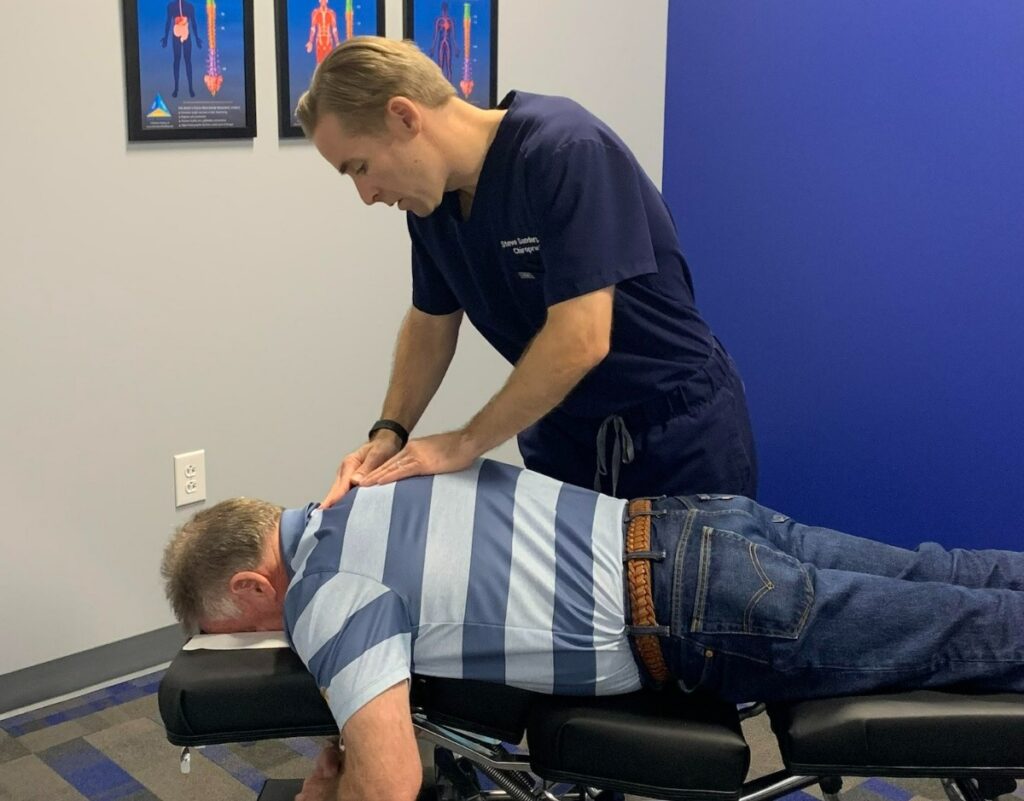
Regular chiropractic adjustments can help realign your spine, relieve pain, and restore function.
Prioritizing your spinal health won't only improve your well-being but also enhance your overall quality of life.
Don't let past injuries dictate your future; take action today!
Signs Your Spine Needs Attention
Over time, your spine can develop subtle signs that indicate it's in need of attention. You might notice persistent discomfort or nagging pain in your back, neck, or shoulders that just won't go away. If you find yourself shifting positions frequently or struggling to get comfortable while sitting or sleeping, that's a red flag.
Additionally, if you experience stiffness, especially after sitting for prolonged periods, your spine may be signaling that it needs some care.
Another sign to pay attention to is a decrease in your range of motion. If you're having trouble bending, twisting, or reaching for things, it could mean that tightness or misalignment is affecting your spinal health. You might also notice that your posture isn't what it used to be; if you're slouching more or if your shoulders seem rounded, it's time to take action.
Moreover, if you experience frequent headaches, especially tension headaches that feel like they're stemming from your neck, that could indicate an issue with your spine. Numbness or tingling in your arms or legs is another critical sign. This may suggest that nerves are being compressed or irritated.
Lastly, if you've recently experienced any sudden changes in your balance or coordination, don't ignore these symptoms. They could signal a more serious underlying condition. Recognizing these signs early can make a significant difference in your overall spinal health and well-being.
Exercises for Spinal Health
Recognizing the signs your spine needs attention is the first step toward better health, but taking action through exercise is just as important. Incorporating specific exercises into your routine can strengthen your back, improve flexibility, and reduce pain.
Here are some effective exercises you can start with:
- Cat-Cow Stretch: This yoga pose helps increase flexibility in your spine. Start on all fours, arch your back for the "cat" position, then lower your belly and raise your head for the "cow" position. Repeat for several breaths.
- Pelvic Tilts: Lying on your back with knees bent, gently tilt your pelvis upward, flattening your lower back against the floor. This exercise strengthens your abdominal muscles and supports your spine.
- Bird-Dog: From an all-fours position, extend one arm forward while extending the opposite leg back. This move engages your core and enhances spinal stability. Switch sides after holding for a few seconds.
- Wall Angels: Stand with your back against a wall and arms raised in a "W" shape. Slowly slide your arms up and down the wall, keeping your back flat. This exercise improves posture and strengthens shoulder muscles.
Ergonomics: Adjusting Your Workspace
A well-designed workspace can greatly enhance your comfort and productivity, reducing the risk of spinal issues. To achieve this, start by adjusting your chair. Make certain it supports your lower back and allows your feet to rest flat on the ground or on a footrest. Your knees should be at or slightly below hip level.
Next, position your desk so that your elbows remain close to your body and form an angle between 90 and 120 degrees when typing. This setup reduces strain on your shoulders and wrists. If you use a computer, the monitor should be at eye level, about an arm's length away, to prevent neck strain. Consider using a monitor stand or an adjustable desk if necessary.
Don't overlook your keyboard and mouse. They should be on the same surface and at a height that allows your wrists to maintain a neutral position. Use wrist rests if needed.
Lighting is another vital aspect. Guarantee your workspace is well-lit to prevent eye strain. Natural light is best, but if that's not possible, opt for adjustable desk lamps that minimize glare on your screen.
Finally, take regular breaks. Stand up, stretch, or walk around every 30 to 60 minutes. This practice not only relieves tension but also promotes circulation, enhancing overall comfort and productivity.
Importance of Regular Chiropractic Care
Regular chiropractic care plays an important role in maintaining spinal health and overall well-being. By regularly visiting a chiropractor, you're not only addressing existing issues but also preventing future problems.
Your spine is the foundation of your body, and when it's out of alignment, it can lead to a multitude of health concerns.
Here are some key benefits of regular chiropractic care:
- Improved Posture: Regular adjustments can help correct misalignments that lead to poor posture, reducing strain on your muscles and joints.
- Enhanced Mobility: Chiropractic care increases flexibility and range of motion, allowing you to move more freely and comfortably.
- Pain Relief: Whether it's back pain, neck pain, or headaches, ongoing care can provide significant relief and help manage chronic pain.
- Better Overall Health: A well-aligned spine contributes to better nervous system function, which can improve your immune response and overall health.
Nutrition for Spinal Wellness
To support your spine, it's vital to focus on essential nutrients and hydration.
Your body needs specific vitamins and minerals to maintain strong bones and healthy discs.
Staying well-hydrated also plays a key role in keeping your spine flexible and pain-free.
Essential Nutrients for Spine
When it comes to spinal wellness, the right nutrients play an essential role in maintaining a healthy spine. You need to focus on incorporating specific nutrients into your diet to support your spine's structure and function.
Here's what you should prioritize:
- Calcium: Essential for bone strength and density, calcium helps prevent fractures and keeps your spine aligned.
- Vitamin D: This vitamin aids calcium absorption and supports overall bone health, ensuring your spine remains strong and resilient.
- Magnesium: Important for muscle function and nerve transmission, magnesium helps alleviate muscle tension around the spine, promoting better posture and mobility.
- Omega-3 Fatty Acids: Found in fish and flaxseed, these healthy fats reduce inflammation and support joint health, which is important for a flexible spine.
Hydration and Spinal Health
Staying hydrated is essential for maintaining spinal health, as water plays an important role in keeping your spinal discs well-nourished and flexible. Your spinal discs, which act as cushions between your vertebrae, rely on adequate hydration to retain their shape and function properly.
When you're dehydrated, these discs can become less pliable, increasing the risk of pain and injury.
To support your spinal health, aim to drink enough water throughout the day. The general guideline is about eight 8-ounce glasses, but individual needs may vary based on activity level, climate, and overall health.
Listening to your body is key; if you're feeling thirsty, it's a sign you need more fluids.
Incorporating hydrating foods like fruits and vegetables can also boost your water intake. Foods like cucumbers, oranges, and watermelon not only quench your thirst but also provide essential nutrients beneficial for spinal health.
Mindfulness and Body Awareness
Mindfulness and body awareness play significant roles in maintaining a healthy spine. When you practice mindfulness, you connect with your body and become aware of how it feels and moves. This connection is essential for recognizing tension or discomfort that might affect your spine. By tuning into your body, you can address issues before they escalate into more significant problems.
Here are some ways mindfulness and body awareness can benefit your spinal health:
- Improved Posture: Being mindful of your body's position helps prevent slouching and promotes proper alignment.
- Stress Reduction: Mindfulness techniques can lower stress, which often manifests as tension in your back and neck.
- Enhanced Movement: Increased body awareness allows you to move more fluidly, reducing the risk of injury during physical activities.
- Pain Management: Mindfulness can help you manage pain by encouraging acceptance and reducing the emotional response to discomfort.
Incorporating mindfulness into your daily routine can be simple. Start with brief moments of awareness, focusing on your breath or the sensations in your back.
As you cultivate this practice, you'll notice how it impacts your posture, movement, and overall spinal health. Remember, your spine supports you in every activity; giving it the attention it deserves is crucial.
Transforming Your Life Through Spine Care
Transforming your life through spine care can lead to profound improvements in your overall well-being. When you prioritize the health of your spine, you're not just alleviating back pain; you're enhancing your entire quality of life. A healthy spine supports your nervous system, which plays a significant role in every bodily function. By focusing on this essential aspect of your health, you can gain a newfound sense of energy and vitality.
Start by evaluating your posture. Poor posture can lead to misalignments that affect your mood and productivity. When you correct your posture, you may notice a boost in confidence and a decrease in stress.
Regular chiropractic adjustments can help maintain alignment, reduce tension, and promote better mobility. You'll likely find that simple tasks become easier as your body moves more freely.
Incorporating exercises that strengthen your core can also make a substantial difference. A strong core supports your spine and helps prevent future issues. Engage in activities like yoga or Pilates, which not only build strength but also enhance flexibility and balance.
Don't underestimate the impact of lifestyle choices on your spine health. Staying hydrated, eating a balanced diet, and getting enough sleep are essential for recovery and overall well-being.
When you take care of your spine, you're investing in your health, and the benefits will ripple through every aspect of your life. Prioritize spine care, and watch as you transform into a healthier, happier version of yourself.
Conclusion
By prioritizing your spinal health, you're not just easing physical discomfort; you're also enhancing your mental well-being. Remember, a well-aligned spine can lead to better mood regulation and a more positive outlook on life. Incorporate mindfulness, regular exercise, and ergonomic practices into your routine, and don't underestimate the power of chiropractic care. Transforming your life starts with taking care of your spine, so adjust your spine and watch how it positively impacts your attitude.