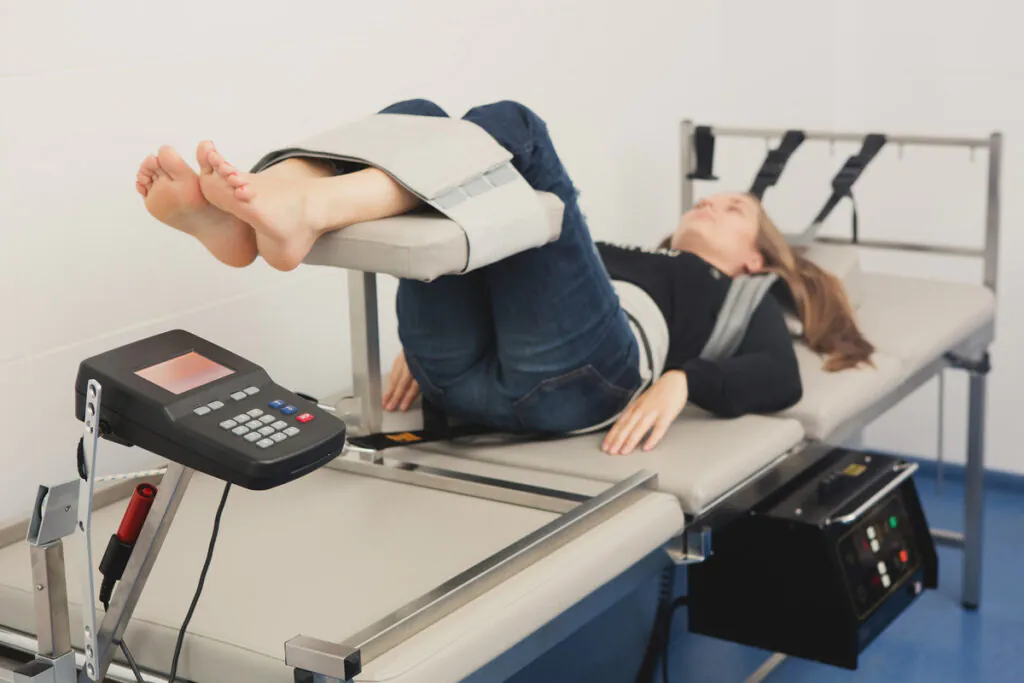
As a local chiropractor, I often see patients who experience that familiar urge to crack their back when discomfort arises. However, it's crucial to consider the long-term effects of these quick fixes. Many people overlook the underlying causes of their pain, such as stress or poor posture, and instead seek immediate relief from symptoms.
Understanding the connection between your body and mind can significantly impact your journey toward lasting wellness. What if I told you that the key to both comfort and mental clarity lies in adopting a more holistic approach to your health?
In chiropractic care, we focus on more than just alleviating pain. We aim to identify and address the root causes of discomfort, helping you achieve a balanced state of well-being. By integrating natural healing practices and lifestyle adjustments, we can work together to enhance your overall health and prevent future issues. Let's embark on this journey toward better health without compromising your sanity!
Understanding Back Pain
As a local chiropractor, I understand that experiencing back pain can be both overwhelming and disruptive to your everyday life. You may find it difficult to perform simple tasks, like bending down to tie your shoes or lifting a grocery bag.
To effectively address back pain, it's essential to recognize its common causes. Many people don't realize that muscle strains, poor posture, and even stress can lead to discomfort in the back. Conditions such as herniated discs or arthritis may also contribute to your pain, resulting in either a dull ache or sharp discomfort.
It's crucial to listen to your body. If you experience pain that lasts more than a few days or becomes more intense, it's time to seek professional help. As your chiropractor, I can assess your condition and help identify the underlying issues.
You might be surprised to learn how much your daily habits can affect your back health. For instance, sitting for extended periods, especially with improper posture, can place significant strain on your back muscles. Incorporating regular movement into your routine can greatly help alleviate discomfort. Simple actions like stretching, walking, or engaging in gentle exercises can make a noticeable difference.
Furthermore, your emotional well-being is interconnected with your physical health. Stress and anxiety can lead to muscle tightness, worsening your pain. I encourage you to practice relaxation techniques, such as deep breathing or mindfulness, to promote overall wellness.
The Science of Cracking
As a local chiropractor, I often get questions about the sounds you hear when you crack your back. It's important to understand what's actually happening within your joints when this occurs. Those popping and cracking noises are related to the anatomy of your spine and the gases within your joint cavities.
When you manipulate your spine, you create a change in pressure that allows gas bubbles to form and then burst, resulting in that familiar sound. This process can offer various benefits, including increased mobility and reduced tension.
However, it's also essential to be aware of the risks associated with spinal manipulation, especially if done improperly or too frequently.
By understanding the science behind these sounds and the effects of spinal adjustments, you can make more informed decisions about your health and wellness. My goal is to educate you about how chiropractic care can support your body's natural healing processes and improve your overall quality of life.
Let's delve into the fascinating world of chiropractic and how it can benefit you!
Anatomy of Joint Sounds
As a local chiropractor, I often encounter patients who are curious about the intriguing sounds that can occur in their joints, especially that satisfying crack you hear during a stretch or adjustment.
Many wonder what actually causes these sounds, and I'm here to explain it in a way that helps you understand the mechanics at play.
When you stretch or manipulate a joint, you create a change in pressure within the synovial fluid that lubricates your joints. This drop in pressure allows dissolved gases, primarily carbon dioxide and nitrogen, to form bubbles.
As you continue to stretch or adjust, these bubbles rapidly collapse or burst, resulting in that characteristic popping sound.
This phenomenon is known as cavitation and can occur in various joints, including your spine, fingers, and knees.
It's fascinating to note that the sounds can vary depending on the joint's location and the amount of force applied.
It's also important to realize that not everyone can crack their joints, and some people may not hear the same sounds even with similar movements.
Understanding this process can help demystify the experience of joint sounds and highlight the natural mechanics of your body.
As your chiropractor, I aim to support your overall health and wellness through safe and effective adjustments, helping you achieve optimal function and comfort.
Benefits of Spinal Manipulation
As your local chiropractor, I want to take a moment to share the numerous benefits of spinal manipulation, commonly known as chiropractic adjustment. Many people think of this treatment as just a quick fix or a satisfying crack, but it's so much more than that. When you choose spinal manipulation, you're making a proactive choice for your overall wellness, not just addressing temporary discomfort.
One of the core benefits of spinal manipulation is pain relief. Many of my patients report significant reductions in back pain, neck pain, and headaches after just a few sessions. This relief can greatly enhance your quality of life and allow you to engage more fully in daily activities.
Another important advantage is the improvement of posture. By realigning your spine, spinal manipulation encourages better posture, which helps alleviate unnecessary strain on your muscles. You may also find that your range of motion increases, leading to greater flexibility. This can enhance your physical performance, making everything from exercise to everyday chores feel easier and more enjoyable.
Additionally, I want to highlight the impact of spinal manipulation on mental health. The adjustments can trigger the release of endorphins, which are natural stress relievers, promoting a sense of relaxation and well-being. Many patients find that they feel more at ease and less anxious after their treatments.
Lastly, regular chiropractic care can improve your sleep patterns. With reduced discomfort and increased relaxation, you may find it easier to achieve a restful night's sleep.
Risks of Cracking Back
As a chiropractor, I want to share some important insights about spinal manipulation and the potential risks associated with improper techniques or excessive cracking of your back.
While many people seek relief through self-manipulation, it's crucial to understand that cracking your back too often can lead to muscle or ligament strains. This can result in discomfort or even injury, ultimately worsening your situation rather than providing the relief you seek.
Another significant concern is the risk of joint damage. Frequent cracking can wear down the cartilage in your spine over time, which may lead to long-term issues like arthritis. If you have existing conditions, such as herniated discs or spinal stenosis, self-manipulating your back could aggravate these problems.
Additionally, relying on self-cracking can foster a cycle of dependency. You might find yourself resorting to this habit more frequently for temporary relief, rather than addressing the underlying causes of your discomfort. This approach can mask issues that genuinely require professional evaluation and treatment.
Lastly, there's a risk of nerve compression if you're not careful with how you manipulate your spine. Misalignments can pinch nerves, leading to pain or numbness.
To navigate these risks safely, I encourage you to consult with a healthcare professional who specializes in spinal health. A chiropractor can provide personalized guidance on safe manipulation techniques and help you achieve long-term wellness through natural healing methods.
Your spine deserves the best care, so let's work together to ensure you receive it!
Safe Techniques to Relieve Tension
As a local chiropractor, I want to share some valuable insights on how to relieve tension safely and naturally.
If you're feeling tense, adding stretching exercises to your daily routine can significantly alleviate discomfort.
Additionally, maintaining proper posture is crucial—not only for relieving current tension but also for preventing it in the future.
Let's delve into some effective methods to help keep your body relaxed and properly aligned, promoting overall wellness.
Stretching Exercises for Relief
As a local chiropractor, I want to share how simple stretching exercises can significantly alleviate the tension that accumulates in your back. Incorporating these stretches into your daily routine can't only reduce discomfort but also enhance your overall flexibility.
Let's begin with the cat-cow stretch. When performed on all fours, this exercise involves alternating between arching your back towards the ceiling and lowering it towards the floor. This gentle movement warms up your spine and helps release built-up tension.
Next, consider the seated forward bend. While seated with your legs extended in front of you, take a moment to gently reach for your toes. This stretch is particularly effective for targeting the lower back and hamstrings. Hold this position for 15-30 seconds, and remember to breathe deeply, as this can amplify the benefits of the stretch.
Another fantastic option is the child's pose. By kneeling on the floor and sitting back on your heels while stretching your arms forward on the ground, you create a position that lengthens your spine and alleviates tightness throughout your back.
Lastly, we've the spinal twist. While sitting, cross one leg over the other and gently twist your torso towards the bent knee. This stretch not only improves spinal mobility but can also help relieve tension in the lower back.
Incorporating these simple stretches into your routine can be a natural and effective way to support your back health. If you have any questions or would like personalized recommendations, feel free to reach out to me!
Proper Posture Techniques
As your local chiropractor, I want to emphasize the importance of maintaining proper posture in your daily activities to alleviate back tension and promote overall well-being.
Good posture not only helps distribute your body weight evenly but also significantly reduces strain on your muscles and spine. Here are three essential techniques I recommend for maintaining proper posture:
1. Sit Smart: When you're seated, it's crucial to keep your feet flat on the floor. Your knees should form a 90-degree angle, and your back should remain straight, well-supported by your chair.
If needed, consider using a cushion to provide extra support for your lower back. This simple adjustment can make a world of difference in how your back feels throughout the day.
2. Stand Tall: While standing, focus on keeping your shoulders back and relaxed, ensuring that your head is aligned over your spine.
Distributing your weight evenly on both feet and avoiding locked knees will help you maintain balance and significantly reduce tension in your back and neck.
Remember, standing tall isn't just about appearance; it's about supporting your body's natural alignment.
3. Lift with Care: Lifting objects correctly is vital for protecting your spine. Always bend at your knees instead of your waist when lifting.
Keep the object close to your body, and use the strength of your legs to lift, rather than straining your back. By practicing this technique, you can help prevent injuries and maintain a healthy spine.
By integrating these posture techniques into your daily routine, you'll not only relieve tension but also enhance your overall health.
Stretching for Back Health
As a local chiropractor, I want to emphasize the vital role that stretching plays in maintaining a healthy back. Many of my patients aren't aware that regular stretching can help alleviate tension, improve flexibility, and even promote better blood circulation. This can significantly reduce the risk of injury and enhance overall spinal health.
When you engage in a stretching routine, it's essential to focus on the major muscle groups in your back, such as the lower back, upper back, and the surrounding muscles like the hamstrings and hip flexors.
I recommend starting your stretching regimen with gentle movements. For example, the cat-cow stretch is fantastic for mobilizing your spine. Following that, a standing forward bend can effectively stretch both your hamstrings and lower back. Aim to hold each stretch for at least 15 to 30 seconds, and remember to breathe deeply. This not only helps with relaxation but also aids in releasing any built-up tension.
It's important to listen to your body and never push yourself to the point of pain.
In addition to these foundational stretches, I encourage you to explore yoga poses like child's pose and downward dog. These not only enhance flexibility but also build strength in your back muscles. Making these stretches a part of your daily routine, especially if you find yourself sitting for long periods, can lead to a more resilient back.
Before you start stretching, don't forget to warm up your muscles. A few minutes of light activity, such as walking, can effectively prepare your body for stretching.
The Mind-Body Connection
As a local chiropractor, I want to share with you an important concept that can significantly impact your overall health and back wellness: the mind-body connection. Many people may not realize just how interconnected our mental state is with our physical health, particularly when it comes to back pain.
Stress, anxiety, and negative emotions can lead to muscle tension, which is often a key contributor to discomfort in the back. By understanding and nurturing this connection, you can take proactive steps toward improving your back health.
Here are three effective strategies to strengthen the mind-body connection for better back wellness:
1. Mindfulness Practices: I encourage you to incorporate mindfulness techniques into your daily routine. Simple practices like meditation or deep breathing exercises can help reduce stress and promote relaxation. This, in turn, can ease muscle tension in your back, allowing for improved mobility and comfort.
2. Physical Activity: Staying active is crucial for maintaining a healthy spine. Find physical activities that you enjoy, whether it's yoga, swimming, or even a brisk walk in your neighborhood. Regular movement helps release endorphins, which can enhance your mood and reduce your perception of pain.
Remember, a healthy back thrives on movement!
3. Positive Visualization: I recommend utilizing positive visualization techniques to imagine yourself with a healthy, pain-free back. By creating mental imagery of well-being, you foster a positive mindset that can promote healing and resilience. This practice can support the adjustments and treatments we provide in chiropractic care.
By embracing these strategies, you can enhance your overall health and support your back wellness.
When to Seek Professional Help
As a local chiropractor, I want to emphasize the importance of recognizing when to seek professional help for managing back pain effectively. If you've been trying self-care techniques like stretching, applying heat, or taking over-the-counter medications but haven't found relief, it may be time to consult a healthcare provider—specifically a chiropractor.
Persistent pain that lasts longer than a few weeks isn't something to ignore. It could indicate an underlying issue that requires attention. Additionally, if you're experiencing pain that radiates down your legs, numbness, or weakness, these symptoms may point to nerve involvement, which is something that chiropractic care can specifically address through targeted treatments.
If your back pain is also accompanied by unexplained weight loss, fever, or any bowel or bladder issues, please reach out for professional help immediately. These could be signs of more serious conditions that require prompt action.
Chronic pain can significantly interfere with your daily activities and mental well-being. If you're finding that your discomfort is impacting your mood or leading to feelings of anxiety or depression, it's essential to talk to someone who understands the connection between physical and emotional health.
As chiropractors, we can support you not just physically, but also help you navigate the emotional aspects of chronic pain.
Lastly, if you've experienced a recent injury or trauma to your back, it's critical to seek professional help right away. Early intervention through chiropractic care can prevent complications and facilitate a quicker recovery.
Stress Management Strategies
As a local chiropractor, I understand that the hustle and bustle of daily life can take a toll on your physical and mental well-being. Many of my patients often feel overwhelmed by work, family responsibilities, or even the constant barrage of notifications from their devices.
To help you regain control and improve your overall health, I want to share some effective stress management strategies that complement chiropractic care and natural healing.
1. Practice Mindfulness: Incorporating mindfulness into your daily routine can significantly reduce stress and enhance your mental clarity. Spend a few minutes each day focusing on your breath or trying meditation. This practice helps clear your mind, brings you back to the present moment, and can alleviate tension that may be affecting your spine and overall health.
2. Get Moving: As a chiropractor, I can't stress enough the importance of physical activity in combating stress. Engaging in regular exercise—whether it's a brisk walk, a yoga session, or strength training—can help release endorphins, which are natural mood lifters. Aim for at least 30 minutes of movement most days of the week.
Not only does it help reduce stress, but it also supports spinal health and overall physical wellness.
3. Connect with Others: Never underestimate the power of social support in managing stress. When you're feeling overwhelmed, reach out to friends or family members. Sharing your thoughts and feelings can lighten your emotional load and provide you with new perspectives.
Plus, building strong social connections can have a positive impact on your physical health and overall recovery.
Remember, chiropractic care isn't just about addressing pain; it's also about enhancing your quality of life and helping you manage stress naturally.
Daily Habits for a Healthy Back
As your local chiropractor, I want to emphasize that maintaining a healthy back goes beyond occasional adjustments; it involves adopting daily habits that nurture your spine's strength and flexibility.
One of the first steps you can take is to be mindful of your posture throughout the day. Whether you're working at a desk, standing, or walking, it's essential to keep your back straight and your shoulders relaxed. If you spend long hours sitting, consider investing in an ergonomic chair designed to support good posture.
Incorporating stretching into your everyday routine is vital. Simple stretches like the cat-cow stretch or gentle torso twists can help maintain your spine's flexibility and alleviate tension. I recommend taking breaks every hour, especially if you're sitting for extended periods. Stand up, walk around, and allow your back to decompress.
Strengthening your core muscles is crucial for back health as well. Engaging in exercises such as planks or bridges can enhance your stability and lighten the load on your back. Hydration is another key factor; drinking plenty of water keeps your spinal discs healthy and helps prevent stiffness.
Lastly, be conscious of how you lift objects. Always bend at the knees and keep the object close to your body to minimize strain on your back.
Finding Balance and Well-Being
Achieving balance and well-being in your life is essential, and as your local chiropractor, I want to emphasize that this involves more than just addressing physical pain; it encompasses mental and emotional health as well.
When you take care of all aspects of your well-being, you'll likely find yourself feeling more centered and resilient in the face of life's challenges. Here are three key areas to focus on for a holistic approach that complements chiropractic care:
1. Mindfulness Practices: I encourage you to incorporate mindfulness techniques, such as meditation or deep-breathing exercises, into your daily routine.
These practices help clear your mind, reduce stress, and improve your ability to respond to situations with clarity and focus—benefits that can enhance the effects of your chiropractic adjustments.
2. Physical Activity: Regular physical activity is crucial for maintaining a healthy balance in your life.
Whether you enjoy yoga, dancing, or a brisk walk, finding an activity that you love will keep you engaged and active. Exercise not only releases endorphins, promoting a better mood, but it also supports the effectiveness of chiropractic care by improving your overall physical health and mobility.
3. Social Connections: Building and maintaining strong relationships with family and friends is vital for your mental well-being.
A supportive network provides emotional support and a sense of belonging, both of which are fundamental to your overall health. As you work towards physical alignment in my office, remember that fostering social connections can greatly enhance your healing journey.
By integrating these holistic practices with your chiropractic care, you can achieve a more balanced and fulfilling life.
Conclusion
As your local chiropractor, I want to emphasize that taking care of your back doesn't have to involve risky self-manipulation techniques. Understanding the root causes of your discomfort is crucial to finding effective relief. By embracing safe practices such as proper stretching, regular chiropractic adjustments, and mindfulness techniques, you can achieve long-lasting results.
It's important to remember that maintaining balance in both your physical and mental health is key. I encourage you to prioritize safe methods for managing stress and to develop daily habits that nurture a healthy back. Your well-being is paramount, so let's focus on holistic wellness rather than quick fixes. Together, we can work towards a pain-free life that supports both your body and mind!