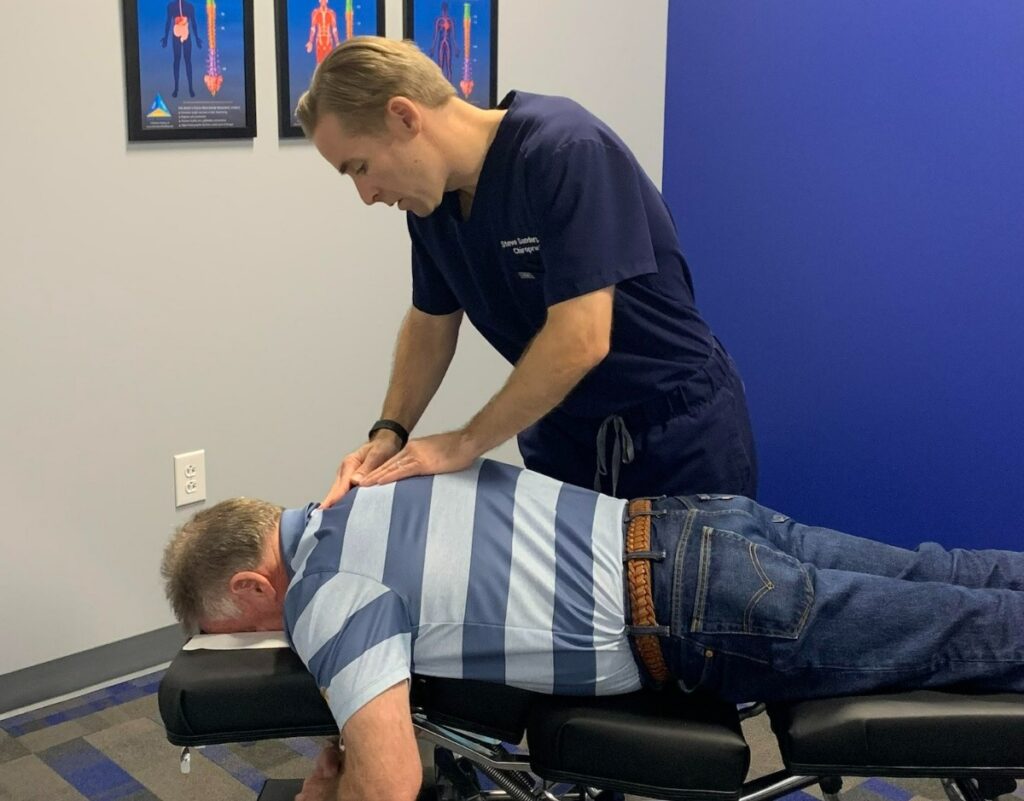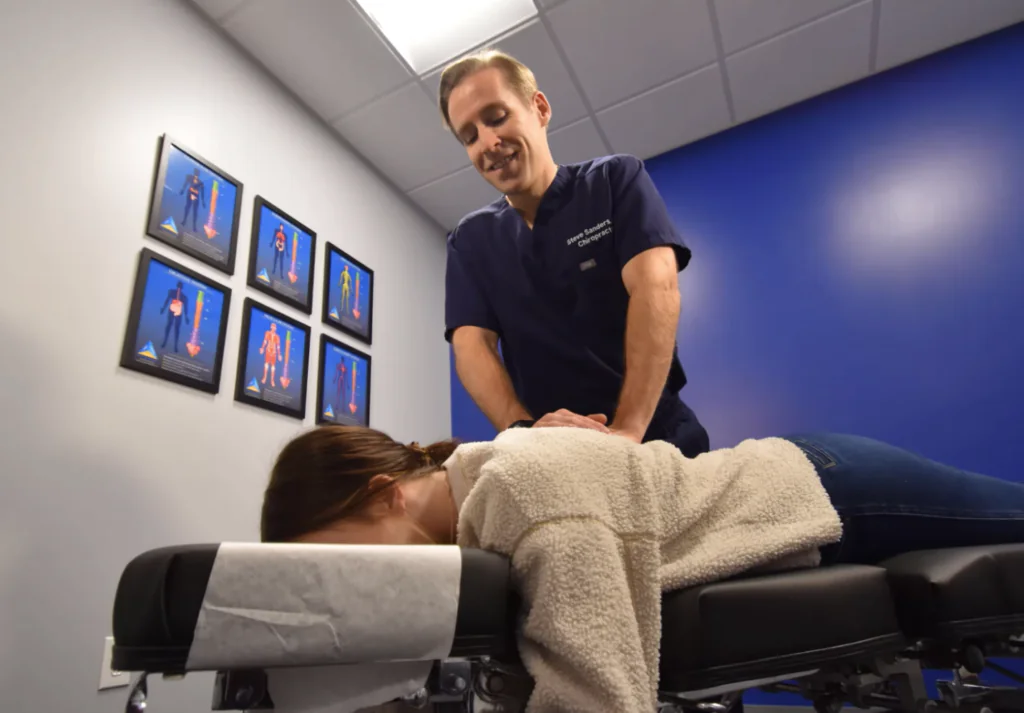
As a local chiropractor, I often see patients who are unaware of how significantly their posture can impact their back pain. Many people don’t realize that poor alignment can put unnecessary strain on your spine and surrounding muscles, leading to discomfort that can persist over time. However, by making some straightforward adjustments, such as incorporating ergonomic furniture or practicing mindful body awareness, you can start to experience relief.
So, what specific changes should you consider to improve your posture? Let’s take a closer look at some common mistakes people make and effective strategies you can implement to transform your posture and reduce that nagging pain. Together, we can work towards a healthier, pain-free life through natural healing and proper alignment.
Understanding the Link Between Posture and Back Pain
As a local chiropractor, I want to emphasize just how crucial your posture is in relation to back pain. Many people don’t realize that slouching or sitting for extended periods can significantly impact their spinal health. Maintaining good posture is essential because it helps distribute your body weight evenly, which prevents unnecessary strain on your spine.
When you hunch over or lean awkwardly, it can create added pressure on your muscles and ligaments, leading to discomfort and potential injury. By focusing on maintaining an upright position that aligns with your spine’s natural curves, you can substantially reduce tension in your back. Each time you consciously adjust your posture, you’re actively supporting your spine and enhancing blood flow.
This practice not only alleviates any existing pain but also plays a vital role in preventing future discomfort. You might be surprised to learn that small adjustments, such as changing the height of your chair or using a lumbar support pillow, can have a remarkable impact on your overall comfort.
Taking these proactive steps now can contribute to a healthier back and enhance your overall well-being. I encourage you to pay close attention to how you sit and stand throughout the day, as these habits can profoundly influence your spinal health. Together, we can work towards achieving a pain-free, active lifestyle.
Common Posture Mistakes That Contribute to Discomfort
As a local chiropractor, I often see patients who are unaware of the common posture mistakes they make every day, which can lead to discomfort and pain. Many of you may be guilty of these habits without even realizing it.
By addressing these issues, you can significantly enhance your overall comfort and well-being.
- Hunching Shoulders: Slouching forward not only affects your appearance but also puts unnecessary strain on your back and neck. This strain can lead to chronic pain if not corrected.
- Leaning Forward: Whether you’re sitting at your desk or standing in line, leaning too far forward can disrupt the natural alignment of your spine, which can ultimately affect your posture and health.
- Crossing Legs: While it may feel comfortable, crossing your legs can create imbalances in your hips and lower back. Over time, this habit can contribute to discomfort and pain in those areas.
- Staring Down at Devices: In our tech-driven world, many of us find ourselves looking down at our phones or laptops for extended periods. This position can lead to significant strain on your neck and upper back, also known as “tech neck.”
Recognizing and correcting these posture mistakes is the first step toward a healthier lifestyle.
Simple adjustments to your posture can make a tremendous difference in alleviating back pain and improving your daily comfort.
If you’re unsure where to start, I encourage you to reach out for guidance on how chiropractic care and natural healing practices can support your journey to better posture and overall well-being.
The Role of Ergonomics in Posture Improvement
As a chiropractor, I want to emphasize the significant role that ergonomics plays in improving your posture and alleviating back pain. Many of my patients are unaware that simple adjustments to your workspace and daily routines can create an environment that promotes proper alignment and overall comfort.
Let’s start with your chair. It’s essential to have one that offers support for your lower back and allows your feet to rest flat on the floor. This foundational change can make a big difference in how your spine feels throughout the day.
Additionally, positioning your computer screen at eye level is crucial; it helps prevent slouching and reduces strain on your neck.
While sitting, keep your shoulders relaxed and your elbows close to your body, aiming for an angle between 90 and 120 degrees. It’s also important to have your keyboard and mouse within easy reach, so you’re not forced to lean forward, which can lead to discomfort over time.
If you’re spending long hours at your desk, consider alternating with a standing desk or take regular breaks to change your position and stretch.
Remember, even small changes in your environment can lead to significant improvements in your posture and overall well-being.
Stretching Exercises for Better Posture
As a local chiropractor, I want to share how incorporating stretching exercises into your daily routine can significantly improve your posture and enhance the benefits of any ergonomic changes you’ve made.
These stretches are designed to lengthen tight muscles and increase flexibility, which are essential for maintaining a healthy spine. Here are four effective stretches I recommend:
- Chest Stretch: Stand tall and clasp your hands behind your back. Gently pull your shoulders back and down, which opens up your chest. This stretch counteracts the forward hunch that often comes from sitting at a desk.
- Cat-Cow Stretch: Get on all fours on a comfortable surface. Inhale as you arch your back downwards (this is the ‘cow’ position), and exhale as you round your back upwards (the ‘cat’ position). Repeat this motion several times; it’s a great way to mobilize your spine and relieve tension.
- Seated Forward Bend: Sit with your legs extended in front of you. Reach forward toward your toes, feeling the stretch along your back and hamstrings. This stretch helps alleviate tightness from prolonged sitting.
- Torso Twist: Sit upright and gently twist your torso to one side, using your hand to hold onto your knee for support. This deepens the stretch and promotes spinal mobility. Hold for a few breaths, then switch sides.
Integrating these stretches into your daily routine can make a remarkable difference in how you feel.
If you have any questions about how these exercises can complement your chiropractic care, feel free to ask during your next visit!
Strengthening Exercises to Support Your Spine
As a local chiropractor, I want to emphasize the importance of strengthening your core to support your spine and improve your overall posture. Many individuals may not realize that a strong core is a critical component of spinal health.
By incorporating specific exercises into your routine, you can build the strength necessary for a healthier back.
Let’s start with the plank exercise. To perform this, lie face down on the floor and then lift your body off the ground, balancing on your forearms and toes. This position engages your core muscles. Aim to hold this for 20 to 30 seconds, and as you become stronger, you can gradually increase the duration.
Next, we’ve the bridge exercise, which is excellent for your lower back and glutes. Lie on your back with your knees bent and feet flat on the ground. Lift your hips toward the ceiling, squeezing your glutes at the top, and then lower back down with control. I recommend aiming for 10 to 15 repetitions to really feel the benefits.
Another fantastic exercise is the bird-dog, which enhances stability and coordination. Start on all fours and extend one arm forward while simultaneously extending the opposite leg back. Hold this position for a few seconds before switching sides. Aim for 10 repetitions on each side to promote balance and core strength.
Incorporating these exercises into your regular routine can help create a strong foundation that supports your spine, leading to better posture and potentially reducing back pain.
If you have any questions about these exercises or how they relate to your specific situation, please feel free to reach out. Your spinal health is important, and I’m here to help guide you on your journey to natural healing.
The Importance of Core Stability in Posture
As a local chiropractor, I want to emphasize the critical role that your core muscles play in maintaining proper posture and supporting your spine.
When these muscles are strong and stable, you can experience significant improvements in your overall alignment, which often leads to a reduction in back pain.
By prioritizing core stability, we can work together to enhance your posture and help you reap the many benefits that come from it.
Understanding and strengthening your core is a fundamental step in achieving better spinal health and overall well-being.
Core Muscles and Posture
As a local chiropractor, I want to emphasize the vital connection between core stability, posture, and your overall spinal health. Many people may not realize how crucial their core muscles are in supporting their spine and preventing back pain.
Let’s break down four essential aspects of core stability that can significantly influence your posture:
- Muscle Coordination: When we engage our core muscles, we enhance our ability to coordinate movements. This improved coordination leads to better balance and alignment, which are key for maintaining a healthy posture.
- Spinal Support: A strong core acts as a stabilizer for your spine. By providing the necessary support, it helps reduce the strain on the surrounding muscles and ligaments, promoting a healthier spine.
- Pelvic Alignment: Core strength is closely linked to maintaining proper pelvic positioning. This alignment is crucial for achieving ideal posture and can help alleviate discomfort in the lower back.
- Injury Prevention: Strong core muscles play a vital role in stabilizing your torso. This stability helps prevent injuries that often arise from poor posture, allowing you to move freely and without pain.
By focusing on these elements of core stability, you can make significant strides in improving your posture and reducing any back pain you may be experiencing.
Benefits of Core Stability
As a local Chiropractor, I want to emphasize the vital role of core stability in your overall health and well-being, particularly when it comes to maintaining good posture.
Let’s explore three key benefits that highlight why focusing on your core is essential.
First and foremost, having a strong core is crucial for supporting your spine. This support reduces strain on your back muscles, which can significantly minimize pain and discomfort.
When your core is stable, it helps you avoid slouching, enabling you to sit and stand with better alignment, which is fundamental for your spinal health.
Secondly, improved core stability leads to better balance and coordination. This improvement can enhance your ability to move efficiently in your daily activities, which is especially important as we age.
By strengthening your core, you can prevent falls and reduce the risk of injuries, keeping you active and independent.
Lastly, a stable core is key to enhancing your performance in physical activities. Whether you’re participating in structured exercises or simply going about your daily tasks, a strong core contributes to increased strength and endurance.
By prioritizing core stability, you’re not just working on your posture; you’re making a significant investment in your overall health.
Incorporating core stability exercises into your routine can be a powerful step towards a healthier lifestyle.
As a Chiropractor, I encourage you to consider how this foundational aspect of your body can improve your quality of life.
Incorporating Mindfulness and Body Awareness
As your local chiropractor, I want to emphasize the importance of incorporating mindfulness and body awareness into your daily routine. Doing so can significantly enhance your posture and help alleviate back pain.
By engaging in mindful breathing techniques and practicing body scanning, you can develop a deeper understanding of how your body feels and how it moves throughout the day.
It’s essential to regularly check in with your posture, as this simple practice can lead to considerable improvements in your comfort and spinal alignment.
By becoming more aware of your body’s position and sensations, you can make proactive adjustments that support your overall health and well-being.
Mindful Breathing Techniques
Have you ever observed how your breath can become shallow or rapid during moments of stress or discomfort?
As a local chiropractor, I want to share how mindful breathing techniques can be a powerful tool in regaining control over your body and promoting relaxation.
This isn’t just beneficial for your mental well-being; it plays a crucial role in improving your posture and alleviating back pain.
Let me introduce you to four effective practices that you can easily incorporate into your daily routine:
- Diaphragmatic Breathing: This technique focuses on taking deep breaths into your diaphragm. By allowing your belly to rise and fall, you engage your core muscles and promote better oxygen flow, which is essential for overall health.
- 4-7-8 Technique: This method involves inhaling for 4 seconds, holding your breath for 7 seconds, and then exhaling slowly for 8 seconds. This rhythmic breathing can significantly enhance your sense of calm and help reduce tension in your body.
- Box Breathing: This practice helps you regulate your breath and calm your nervous system. Inhale for 4 seconds, hold for 4 seconds, exhale for 4 seconds, and hold again for 4 seconds. It’s like a mental reset for your body.
- Mindful Exhalation: As you exhale, take a moment to visualize releasing any tension from your back and body. This visualization can enhance the effects of your breath, allowing for a deeper sense of relaxation.
By incorporating these mindful breathing techniques into your daily routine, you may notice a significant improvement in your posture and a reduction in pain levels.
As a chiropractor, I believe that natural healing starts with understanding the connection between our breath, posture, and overall well-being.
Body Scanning Practices
As a chiropractor, I often see patients who focus solely on their physical posture, but many overlook the crucial role that body awareness plays in alleviating back pain. One effective method I encourage is body scanning, a practice that fosters a deeper connection with your body and helps identify areas of tension.
To begin, find a comfortable position, whether sitting or lying down. Close your eyes and take a few deep breaths to center yourself. Start by directing your attention to your feet, paying attention to any sensations or tightness you may feel there.
Gradually shift your focus upwards, moving through your legs, hips, back, and shoulders, and take note of any discomfort or tension. As you scan through each area, consciously allow those muscles to relax.
This practice not only enhances your awareness of physical sensations but also empowers you to make adjustments that can lead to better posture. By being more in tune with your body, you can take proactive steps to relieve back pain.
Daily Posture Reminders
As a local chiropractor dedicated to your well-being, I want to share some valuable tips on maintaining good posture throughout your day. Understanding the importance of posture is crucial for your overall health, and integrating mindfulness and body awareness into your daily routine can make a significant difference.
Here are some practical reminders to help you stay aligned:
- Set Timers: I recommend using your phone to set reminders every hour. This simple step can prompt you to check in on your posture and make necessary adjustments.
- Practice Deep Breathing: Taking a moment to inhale deeply is essential. As you breathe in, feel your body relax, and as you exhale, allow your spine and muscles to align naturally. This practice helps reduce tension and promotes better posture.
- Visual Cues: Consider placing sticky notes or images in your workspace as reminders to maintain an upright position. These visual cues can effectively reinforce good habits.
- Daily Check-ins: I encourage you to spend a few minutes each day assessing your posture. This self-evaluation will help you become more aware of your body’s alignment and allow you to make adjustments as needed.
Remember, good posture isn’t just about looking confident; it plays a vital role in your overall health and well-being.
Tips for Maintaining Good Posture Throughout the Day
As a local chiropractor dedicated to promoting your overall well-being, I’d like to share some effective strategies for maintaining good posture throughout your busy day. It’s essential to be aware of your body position, as this can significantly impact your health.
When you’re sitting, remember to keep your back straight, relax your shoulders, and ensure your feet are flat on the floor. Investing in a supportive chair or cushion can greatly assist in maintaining proper alignment.
If you’re standing, distribute your weight evenly on both feet and engage your core muscles to provide stability. This not only supports your posture but also helps protect your spine.
I also encourage you to take regular breaks to stretch and move around. Setting a timer to remind yourself to stand and stretch every hour can be beneficial. Simple stretches like neck rolls and shoulder shrugs can help release built-up tension.
When using your phone or computer, try to hold your devices at eye level to avoid hunching over, which can lead to discomfort and strain.
If you’re walking, keep your head up and your chin parallel to the ground; this promotes a natural spinal alignment.
By consistently applying these posture-enhancing tips, you can reduce discomfort and contribute to your overall health. Remember, your posture plays a crucial role in your well-being, and small adjustments can lead to significant improvements in how you feel throughout your day.
If you have any questions or need further guidance, feel free to reach out!
When to Seek Professional Help for Posture Issues
As a local chiropractor, I want to emphasize the importance of addressing posture-related discomfort before it escalates into more serious health issues.
If you’re experiencing any of the following symptoms, it may be time to seek professional assistance:
- Chronic Pain: Have you been dealing with persistent back pain or discomfort for several weeks? It’s crucial not to ignore these signals, as they can indicate underlying issues that need attention.
- Numbness or Tingling: If you find yourself experiencing unusual sensations such as numbness or tingling in your limbs or back, this could be a sign of nerve involvement, and it’s important to get it checked out.
- Limited Mobility: Are you struggling to carry out your daily activities due to pain or stiffness? Limited mobility can significantly affect your quality of life, and addressing it early can help restore your function.
- Postural Changes: If you’ve noticed significant changes in your posture that haven’t improved with self-care measures, it’s time to consult a professional who can guide you back to proper alignment.
As a chiropractor, I specialize in assessing your condition and recommending natural, tailored treatments such as spinal adjustments and specialized exercises.
Early intervention is key to preventing further complications and promoting your overall well-being.
Don’t wait for the pain to worsen—let’s take proactive steps together for a healthier, more aligned you!
Conclusion
As your local chiropractor, I want to emphasize the significant impact that improving your posture can have on alleviating back pain. Many people are unaware that simple adjustments to your body position can lead to remarkable changes in your comfort and health.
By being mindful of how you sit, stand, and move throughout the day, you can support your spine and enhance your overall well-being. Utilizing ergonomic furniture is also a key step; it helps create a workspace that promotes good posture and reduces strain on your back.
Incorporating stretching and strengthening exercises into your daily routine can further support your spine and improve your posture. These exercises not only help in relieving tension but also strengthen the muscles that support your back.
I encourage you to stay aware of your posture throughout the day. If you notice persistent issues or discomfort, please don’t hesitate to reach out for professional help. As a chiropractor, I’m here to guide you on your journey to a healthier, pain-free life through natural healing methods. Together, we can make strides toward better posture and overall health.