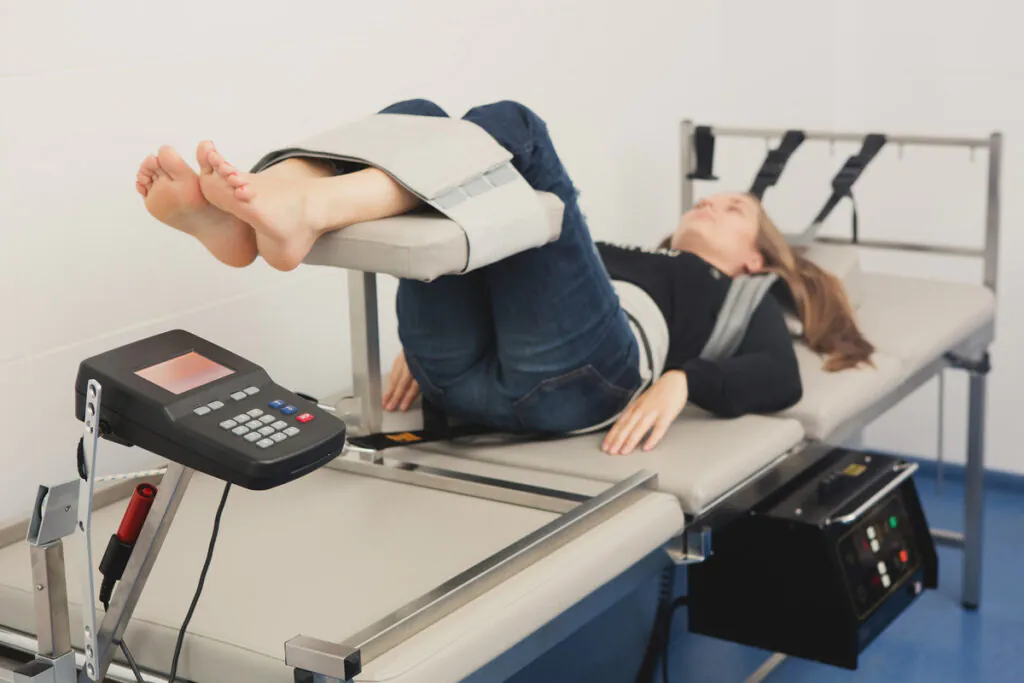
When you face a sports injury, the path to recovery can seem challenging, but understanding your options can make all the difference. Early intervention and tailored treatment plans are essential, yet many overlook the various therapies available that could expedite healing. From physical therapy to nutritional support, each element plays a role in your recovery journey. So, how can you effectively combine these approaches to not only heal but also enhance your performance? Let's explore the key strategies that could redefine your recovery process.
Understanding Common Sports Injuries
In the world of athletics, injuries can feel like a shadow lurking just around the corner. You might think you're invincible, but understanding common sports injuries is essential for any athlete. Knowing what to watch for can help you avoid setbacks that could sideline you for weeks or even months.
Sprains and strains are among the most frequent injuries. A sprain involves tearing ligaments, while a strain affects muscles or tendons. Both can occur with sudden movements or overexertion. If you feel pain, swelling, or difficulty using the affected area, it's important to take it seriously.
Another common issue is tendonitis, which results from repetitive motions. This condition often affects the shoulders, elbows, knees, and Achilles tendons. You might notice soreness that worsens with activity. Ignoring these symptoms can lead to more severe injuries, so pay attention to your body's signals.
Fractures, though less common, can still happen, especially in contact sports. A fracture is a break in the bone, and symptoms include severe pain, swelling, and an inability to move the injured area. If you suspect a fracture, seek medical attention immediately.
Finally, concussions are a serious concern, particularly in sports with physical contact. Symptoms can include headaches, dizziness, and confusion. If you experience any of these, it's vital to rest and consult a healthcare professional.
Importance of Early Intervention
Recognizing the signs of a sports injury early can make all the difference in your recovery.
By seeking prompt diagnosis, you can benefit from targeted treatment and avoid long-term damage that might sideline you for even longer.
Don't wait—addressing issues right away helps keep you in the game.
Prompt Diagnosis Benefits
Early intervention in sports injuries can make a significant difference in recovery outcomes. When you seek prompt diagnosis after an injury, you're setting yourself up for a more effective treatment plan.
Early detection allows healthcare professionals to accurately assess the damage and recommend the best course of action. The sooner you know what you're dealing with, the sooner you can start healing.
Prompt diagnosis helps identify not only the immediate injury but also any underlying issues that could complicate recovery. This means you can address potential problems before they escalate, leading to a smoother rehabilitation process.
You'll likely experience less pain and a quicker return to your favorite activities.
Additionally, early intervention can minimize the risk of chronic pain or recurring injuries. By understanding the specifics of your injury, you can work with your healthcare provider to create a targeted recovery strategy.
This tailored approach often includes physical therapy, which is more effective when started early.
Preventing Long-Term Damage
Timely treatment is essential for preventing long-term damage from sports injuries. When you sustain an injury, it's vital to seek help immediately rather than hoping it will heal on its own. The longer you wait, the more likely you're to exacerbate the problem, leading to chronic pain or ongoing instability.
Early intervention allows for a proper assessment of your injury, ensuring you receive the right diagnosis and treatment plan tailored to your needs. Whether it's a sprain, strain, or more serious condition, addressing the issue promptly can greatly reduce recovery time and improve your overall outcome.
Ignoring symptoms like swelling or persistent pain can lead to complications that may sideline you for an extended period or even result in surgery. By acting quickly, you not only enhance your chances of a full recovery but also minimize the risk of re-injury.
Additionally, working with a healthcare professional can equip you with the knowledge and strategies to strengthen and protect your body, helping you return to your sport safely.
Rehabilitation Techniques and Approaches
When you're recovering from a sports injury, employing effective rehabilitation techniques is critical for regaining strength and mobility. You'll want to start with a thorough assessment of your injury, which helps in creating a tailored plan that addresses your specific needs.
Early on, focus on gentle range-of-motion exercises. These movements help maintain flexibility and prevent stiffness without putting too much strain on your injury.
As you progress, gradually introduce strengthening exercises. Resistance bands or light weights can be beneficial at this stage. Engaging in functional exercises that mimic the movements of your sport is fundamental, as it prepares your body for a return to play.
Also, don't underestimate the power of balance training. Incorporating exercises that challenge your stability can enhance your overall coordination and reduce the risk of re-injury.
Don't forget about incorporating modalities such as ice and heat therapy. Ice can help reduce inflammation, while heat can promote blood flow and aid in healing. Additionally, consider using techniques like massage or foam rolling to alleviate muscle tightness and improve circulation.
Listening to your body is key. If you feel pain or discomfort, it's important to modify your exercises accordingly. Remember, rehabilitation isn't a race; it's about gradually rebuilding your strength and confidence.
Stay consistent, be patient, and celebrate your progress, no matter how small. This approach not only aids in recovery but also sets you up for a stronger return to your sport.
Role of Physical Therapy
In the journey of recovery, physical therapy plays a significant role in helping you regain strength and mobility after a sports injury. This specialized form of rehabilitation focuses on restoring your physical function, reducing pain, and preventing future injuries. A licensed physical therapist will work closely with you to create a tailored treatment plan that addresses your specific needs and goals.
During your sessions, you'll engage in targeted exercises designed to strengthen the affected area, enhance flexibility, and improve overall coordination. These exercises are essential in rebuilding muscle strength and stability, allowing you to return to your sport with confidence. Your therapist will also teach you proper techniques to avoid further injuries during your recovery and beyond.
In addition to exercises, physical therapy may incorporate modalities like ultrasound, electrical stimulation, or manual therapy to alleviate pain and promote healing. These techniques help to enhance blood flow, reduce inflammation, and promote tissue repair.
As you progress, your therapist will continuously assess your development and adjust your plan to guarantee peak recovery. They'll also provide guidance on how to integrate your rehabilitation into daily activities, which is critical for a smooth shift back to your sport.
Ultimately, physical therapy empowers you to take an active role in your recovery, equipping you with the knowledge and skills necessary to maintain your health. By committing to this process, you'll not only heal from your injury but also gain the strength and confidence to excel in your athletic pursuits.
Alternative Therapies for Recovery
While traditional methods like physical therapy are essential, exploring alternative therapies for recovery can enhance your healing process after a sports injury. These therapies often complement conventional treatments, providing additional support to help you regain strength and mobility.
One popular alternative is acupuncture. This ancient practice involves inserting thin needles into specific points on your body to relieve pain and promote healing. Many athletes find that acupuncture reduces inflammation and speeds up recovery times, making it a valuable addition to your treatment plan.
Another effective option is massage therapy. A skilled massage therapist can help release tension in your muscles, improve circulation, and enhance flexibility. Regular sessions can alleviate pain and help you feel more relaxed, aiding in your overall recovery.
You might also consider chiropractic care. Chiropractors focus on aligning your spine and improving your overall body function. This can be particularly beneficial if your sports injury has resulted in misalignments that hinder your recovery.
Additionally, practices like yoga and Pilates can improve your range of motion and strengthen your core. These low-impact exercises help you regain stability and balance, significant for preventing future injuries.
Lastly, don't overlook the benefits of mindfulness and meditation. These practices can reduce stress and improve your mental well-being, which is vital during recovery.
Nutrition and Healing
When you're recovering from a sports injury, the right nutrition can make all the difference.
You need essential nutrients to support healing, stay hydrated, and incorporate anti-inflammatory foods to reduce pain and swelling.
Let's explore how these elements can speed up your recovery process.
Essential Nutrients for Recovery
Recovering from a sports injury requires a careful focus on essential nutrients that play a significant role in healing.
First, protein is fundamental for tissue repair. Incorporating lean meats, fish, eggs, and plant-based sources will help rebuild damaged muscles and ligaments.
Next, don't overlook vitamins and minerals. Vitamin C is crucial for collagen production, which aids in wound healing. You can find it in citrus fruits, bell peppers, and leafy greens.
Also, consider adding zinc-rich foods like nuts and seeds to support your immune system during recovery.
Omega-3 fatty acids, found in fatty fish and flaxseeds, can help reduce inflammation, easing pain and promoting healing.
Additionally, calcium and vitamin D are essential for bone health, especially if your injury involves fractures. Dairy products, fortified plant milks, and leafy greens can help meet these needs.
Finally, antioxidants from fruits and vegetables fight oxidative stress, keeping your body in prime condition for recovery.
By focusing on these essential nutrients, you'll support your body in healing more effectively and get back to your favorite activities sooner.
Prioritize a balanced diet, and you'll see the benefits during your recovery journey.
Hydration's Role in Healing
Hydration is a cornerstone of effective healing, especially after a sports injury. When you're injured, your body needs plenty of water to support recovery processes. Staying well-hydrated can enhance circulation, reduce inflammation, and help transport essential nutrients to the affected areas.
If you want to optimize your healing, consider these hydration tips:
- Drink water regularly: Aim for at least 8-10 cups daily, adjusting based on activity levels.
- Include electrolyte-rich beverages: Sports drinks or coconut water can replenish lost minerals.
- Consume hydrating foods: Fruits like watermelon and cucumbers have high water content.
- Monitor your urine color: Pale yellow indicates good hydration; dark yellow means you need more fluids.
- Avoid excessive caffeine and alcohol: These can dehydrate you and hinder recovery.
Anti-Inflammatory Foods Benefits
A well-rounded diet plays a significant role in your recovery from sports injuries, and incorporating anti-inflammatory foods can make a noticeable difference. These foods help reduce inflammation, which is essential for easing pain and speeding up healing. By including items like berries, fatty fish, leafy greens, and nuts in your meals, you can support your body's natural healing processes.
Berries, for instance, are packed with antioxidants that fight inflammation, while fatty fish like salmon provide omega-3 fatty acids known for their anti-inflammatory properties. Leafy greens, such as spinach and kale, are rich in vitamins and minerals that bolster your immune system. Nuts, particularly walnuts and almonds, also contribute healthy fats that can reduce inflammation.
In addition to these foods, spices like turmeric and ginger have potent anti-inflammatory effects. You can easily incorporate these into your meals for added flavor and health benefits.
Mental Health in Injury Recovery
Injuries can feel like a storm cloud hanging over an athlete's life, casting shadows on both physical performance and mental well-being. While you focus on your physical recovery, it's equally important to address the mental health aspects of your journey. Neglecting your emotional state can prolong recovery and hinder your return to the sport you love.
Here are some key factors to reflect on for maintaining your mental health during injury recovery:
- Stay Connected: Keep in touch with teammates, coaches, and friends. Social support can greatly boost your mood.
- Set Realistic Goals: Break down your recovery into manageable milestones. Celebrate small victories to stay motivated.
- Practice Mindfulness: Engage in meditation or breathing exercises to manage stress and anxiety.
- Seek Professional Help: Don't hesitate to consult a sports psychologist if you're struggling with feelings of isolation or frustration.
- Focus on What You Can Control: Shift your mindset to include aspects of your training that are still possible, like strengthening other areas of your body.
Conclusion
Injuries can be tough, but you don't have to face recovery alone. By understanding your injury, seeking early intervention, and exploring various rehabilitation techniques, you can enhance your healing process. Incorporating physical therapy, alternative therapies, and focusing on nutrition and mental health will empower you to bounce back stronger than ever. Remember, every step you take toward recovery is a step toward returning to the sport you love with renewed resilience.