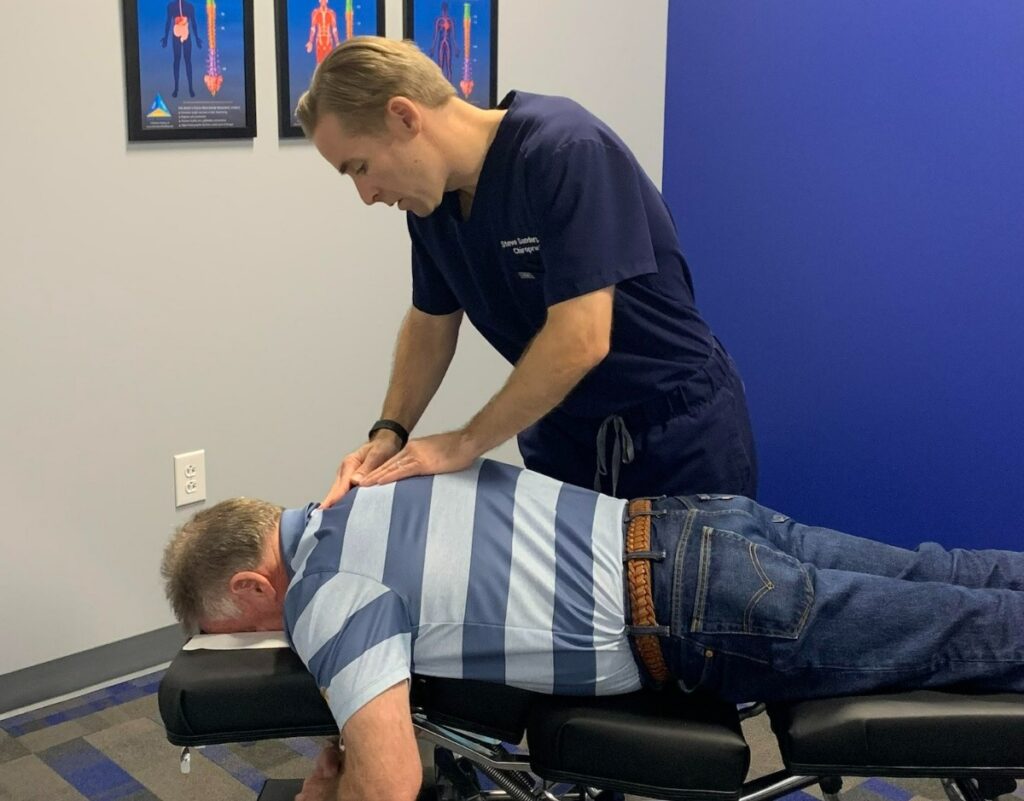
You might be surprised to learn how the perception and treatment of anxiety have transformed over centuries. From ancient rituals that sought to appease spirits to the structured methods of modern cognitive-behavioral therapy, the journey reflects a growing understanding of mental health. Each era brought unique approaches, like herbal remedies and mindfulness techniques, that shaped the way we address anxiety today. But what does this evolution mean for current practices, and how can it inform our understanding of anxiety relief going forward?
Ancient Practices and Beliefs
Throughout history, ancient practices and beliefs have shaped how people understand and cope with anxiety. In many cultures, anxiety wasn't just a personal struggle but was often seen as a spiritual or communal issue. You might find that ancient civilizations attributed anxiety to supernatural forces or displeased deities, which led them to develop rituals aimed at appeasing these powers. Engaging in prayer, chanting, or offerings became common strategies to seek relief and protection from anxiety's grip.
In addition to spiritual practices, many ancient cultures employed physical methods to combat anxiety. You may come across stories of early Greeks and Romans using exercise and physical activity as a means to alleviate stress. They understood that moving the body could have a profound impact on mental well-being.
Similarly, in various Eastern philosophies, practices like yoga and tai chi emerged, emphasizing the connection between body and mind, promoting calmness and clarity.
Furthermore, storytelling and communal gatherings often served as a way for individuals to share their experiences and fears. By connecting with others, you'd find that this sense of community could provide comfort and reduce feelings of isolation.
Ancient beliefs also fostered a holistic approach to well-being, where mental health wasn't separated from physical health. Engaging with these age-old practices, you can see how they laid the groundwork for contemporary approaches to anxiety, highlighting that the journey to understanding and managing anxiety has deep historical roots.
Herbal Remedies Through the Ages
As societies evolved, so did their understanding of anxiety and its management, leading to the exploration of herbal remedies that have been utilized across various cultures. You might be surprised to learn that many of these remedies date back thousands of years. For instance, the use of chamomile in ancient Egypt and Greece served not only as a calming tea but also as a remedy for various ailments, including anxiety. This gentle herb's soothing properties have transcended time and continue to be a popular choice today.
Similarly, in traditional Chinese medicine, herbs like passionflower and valerian root have played significant roles in alleviating anxiety symptoms. These herbs work to relax the nervous system, helping you feel more centered.
You might also find it interesting that in India, ashwagandha has been used for centuries to combat stress and promote mental well-being.
Additionally, Native American tribes often turned to plants like St. John's wort for emotional balance. Each of these cultures recognized the potential of nature to provide relief, often relying on the wisdom passed down through generations.
In the modern era, herbal remedies are experiencing a resurgence as people seek natural alternatives to pharmaceutical solutions. You may find an array of herbal supplements available in health stores, each promising to ease anxiety.
As you explore these options, remember to reflect on their historical significance and the cultural practices that shaped their use, as they might offer you valuable insights into your own journey toward anxiety relief.
The Rise of Mindfulness Techniques
Mindfulness techniques have gained immense popularity in recent years, offering practical tools for managing anxiety. You might find that incorporating mindfulness into your daily routine helps ground you in the present moment, reducing the overwhelming feelings that often accompany anxiety. By focusing on your breath, sensations, or thoughts without judgment, you create a space where you can observe rather than react.
One of the most accessible forms of mindfulness is meditation. Setting aside just a few minutes each day to sit quietly, breathe deeply, and focus your mind can greatly impact your mental state. Apps and online resources make it easy to find guided meditations tailored to anxiety relief, so you don't have to navigate this journey alone.
Another effective technique is mindful walking. When you walk, pay attention to each step you take, the feel of the ground beneath your feet, and the rhythm of your breath. This practice can transform an everyday activity into a calming experience, allowing you to disconnect from racing thoughts and reconnect with your body.
Mindful eating is also worth exploring. Savoring each bite and truly experiencing your food can shift your focus away from anxiety triggers. You'll find that these small changes can help cultivate a greater sense of awareness and calm.
As you embrace mindfulness techniques, keep in mind that consistency is key. The more you practice, the more resilient you'll become in managing anxiety, creating a powerful shift in how you experience your daily life.
Evolution of Therapeutic Approaches
Over the years, therapeutic approaches to anxiety have evolved markedly, adapting to the needs of those seeking relief. In the past, treatments often relied heavily on medication and traditional psychotherapy. While effective for some, these methods didn't resonate with everyone. Many individuals craved a more holistic approach, leading to the rise of alternative therapies.
You may notice that cognitive-behavioral therapy (CBT) has become a cornerstone in anxiety treatment. This method emphasizes identifying and challenging negative thought patterns, which can help you regain control over your emotions. It's practical and structured, making it appealing for those who prefer a direct approach.
Additionally, the integration of mindfulness practices into therapy has gained traction. Mindfulness encourages you to stay present and acknowledge your feelings without judgment. This shift has allowed individuals to develop coping mechanisms that foster resilience and emotional regulation.
Another significant development is the incorporation of technology in therapeutic approaches. Online therapy platforms and mental health apps provide you with convenient access to resources and support. This flexibility can make anxiety management more approachable, especially for those with busy schedules or limited access to traditional therapy.
As you can see, the evolution of therapeutic approaches reflects a growing understanding of anxiety and the diverse needs of individuals. By embracing a range of methods, from CBT to mindfulness and technology-based solutions, you're more likely to find an approach that resonates with you and supports your journey toward relief.
Modern Understanding and Treatments
The modern understanding of anxiety recognizes it as a complex interplay of biological, psychological, and environmental factors. You might find it fascinating that anxiety isn't just a simple reaction to stress; it involves neurotransmitters like serotonin and dopamine, alongside personal experiences and social influences. This holistic view helps in creating effective treatments tailored to individual needs.
Cognitive-behavioral therapy (CBT) stands out as one of the most effective treatments. It equips you with tools to challenge negative thought patterns and develop healthier coping strategies. You learn to reframe your thoughts, which can noticeably reduce anxiety levels.
Additionally, mindfulness practices, such as meditation and deep-breathing exercises, are gaining traction. These techniques help you stay grounded in the present moment, alleviating feelings of overwhelm.
Pharmacological treatments also play a vital role. Medications like selective serotonin reuptake inhibitors (SSRIs) can help balance neurotransmitters in your brain, easing symptoms. However, it's important to consult a healthcare provider to find the right medication and dosage for you.
Lastly, lifestyle changes can greatly impact your anxiety levels. Regular exercise, a balanced diet, and sufficient sleep contribute to overall mental well-being. Social support networks, whether friends, family, or support groups, can also provide comfort and understanding.
Conclusion
In exploring the history of adjustments for anxiety relief, you can see how our understanding has grown from ancient beliefs to modern treatments. Each era brought new insights, whether through herbal remedies, mindfulness, or innovative therapies. Today, you have a wealth of options at your fingertips, allowing you to tailor your approach to managing anxiety. Embracing this evolving knowledge empowers you to find what works best for you and supports your journey toward relief and well-being.