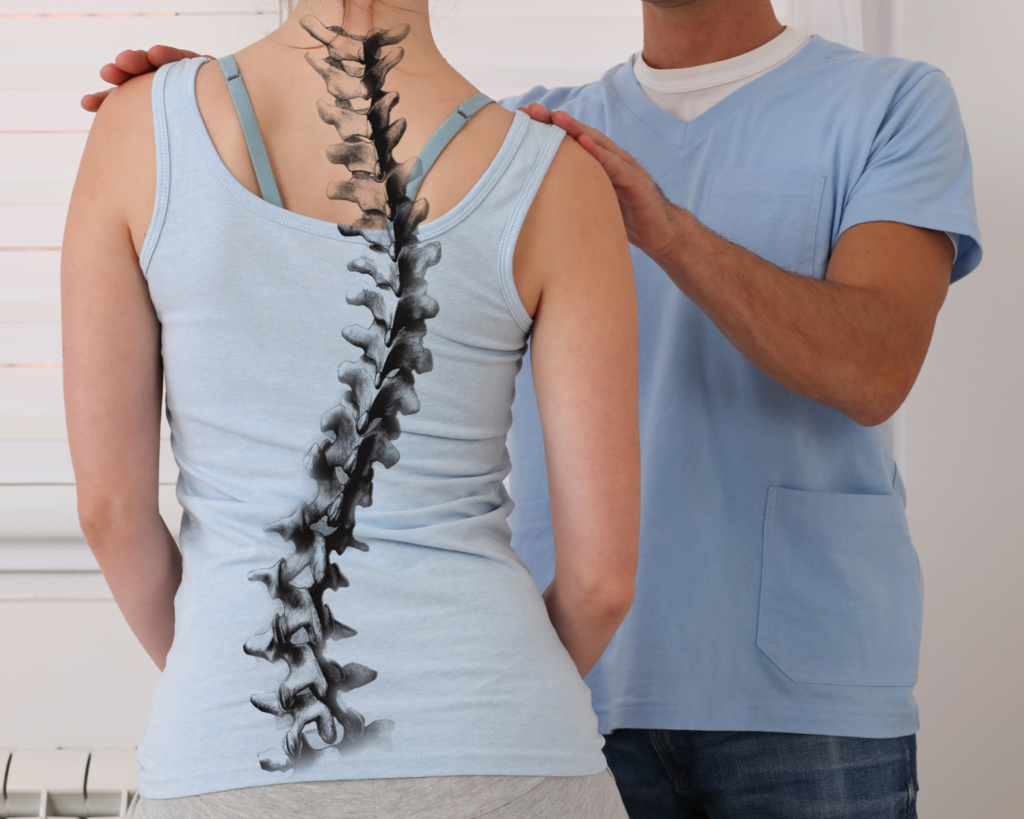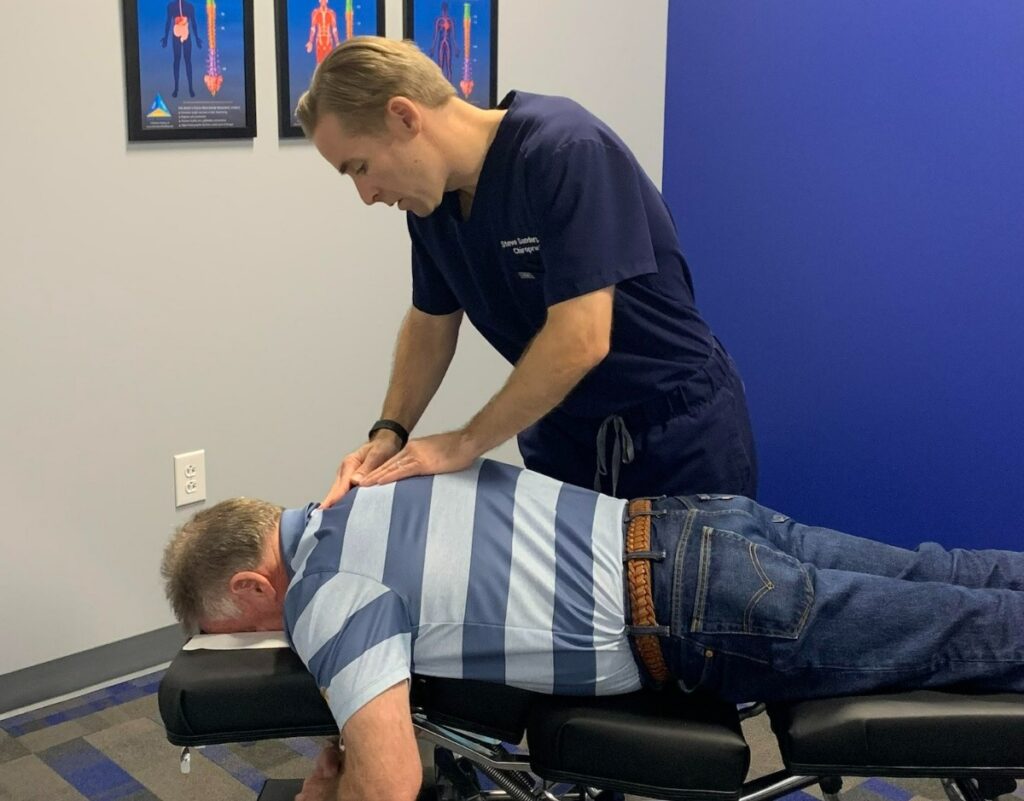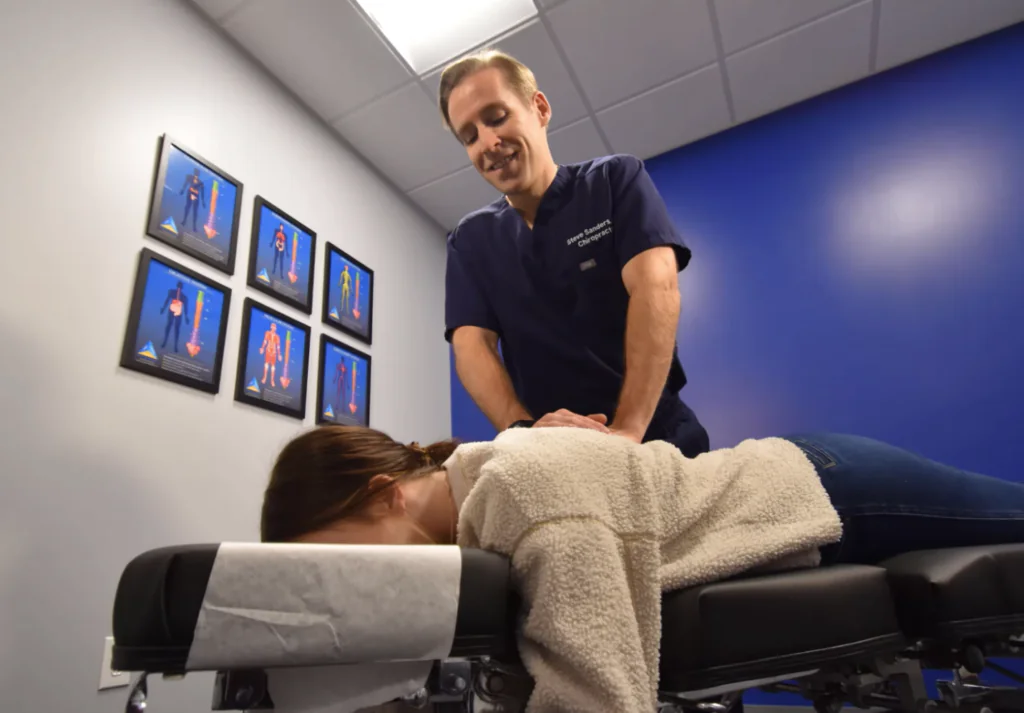
As a local chiropractor, I want to emphasize the critical role that good posture plays in your overall health. Many of you may not realize that poor posture can lead to significant discomfort and chronic back pain, which can greatly affect your daily activities. It’s essential to understand that there are simple yet effective changes you can incorporate into your routine to improve your posture and alleviate that persistent pain.
By exploring natural approaches, such as specific exercises and mindful practices, you can find relief without relying solely on medication or invasive treatments. I’m here to guide you through some practical strategies that can enhance your well-being and support your journey towards better posture and pain relief. Let’s work together to help you feel your best!
Understanding the Importance of Good Posture
As a local chiropractor, I want to emphasize the importance of good posture for your overall well-being. Many people don’t realize that good posture isn’t simply about looking confident; it plays a crucial role in maintaining your physical health. When you sit or stand with proper alignment, you significantly reduce the strain on your muscles and joints. This can help prevent discomfort and injuries that may arise from poor habits.
Proper posture also ensures that your vital organs can function optimally, which promotes better circulation and digestion. When your body is aligned correctly, it can work more efficiently, leading to improved overall health.
Additionally, good posture can have a positive effect on your mental state. Standing tall can enhance your self-esteem and increase your alertness and focus. By being mindful of your posture throughout your daily activities—whether you’re working at your desk or walking—you can develop habits that support your spine’s natural curvature.
As a chiropractor, I encourage you to take a moment to check your posture throughout the day. It may seem like a small change, but it can lead to significant health benefits over time. By prioritizing good posture, you can support your body’s natural healing processes and promote long-term wellness.
Common Causes of Poor Posture
As your local chiropractor, I want to help you understand that poor posture is often a result of various everyday habits and environmental factors.
Many of you mightn’t realize that these influences can significantly affect your spinal alignment and overall health.
Let’s explore some common causes of poor posture that I often see in my practice:
- Prolonged Sitting: Many of us spend long hours hunched over desks or lounging on the couch. This extended time in a slouched position causes your muscles to adapt, making it increasingly difficult to maintain a straight and healthy posture.
- Weak Core Muscles: A strong core is essential for supporting your spine. If your core muscles aren’t adequately developed, they can’t effectively maintain proper alignment, leading to slumping or leaning, which can put a strain on your back.
- Improper Footwear: The shoes you wear play a crucial role in your body’s alignment. Wearing footwear that lacks proper support can lead to compensatory movements that ultimately contribute to poor posture.
Recognizing these factors is the first step toward making positive changes.
By addressing them, we can work together to improve your posture and overall well-being.
Simple Exercises to Strengthen Core Muscles
As a local chiropractor, I often emphasize the importance of strengthening your core muscles to enhance your posture and alleviate back pain.
Many people may not realize that a strong core is crucial for overall spinal health. One effective way to build this strength is through plank variations, which promote stability and engage multiple muscle groups.
Additionally, bridge exercises are fantastic for targeting the lower back and glutes, helping you develop a solid foundation.
By incorporating these simple yet powerful exercises into your daily routine, you can significantly improve your posture and experience lasting relief from discomfort.
Plank Variations for Stability
As a chiropractor, I often emphasize the importance of core strength in maintaining good posture and preventing back pain. One effective way to enhance your stability is by incorporating plank variations into your exercise routine.
These exercises not only engage multiple muscle groups, but they also help you build a strong foundation for your overall health and well-being.
Let’s start with the basics and explore some variations that can keep your workouts interesting and beneficial:
- Side Plank: This variation is excellent for strengthening your obliques, which are essential for improving lateral stability. A strong core helps support your spine and can reduce the risk of injury.
- Plank with Shoulder Taps: This exercise engages your core while promoting balance and coordination. It challenges your body to stabilize itself, which is key for maintaining good posture throughout your daily activities.
- Plank to Push-Up: Not only does this variation build upper body strength, but it also targets both the core and arms. This compound movement reinforces stability and prepares your body for various physical demands.
Incorporating these plank variations into your routine can significantly contribute to better spinal health and overall physical function.
If you have any concerns about your posture or experience back pain, I encourage you to discuss these exercises further with me during your next visit. Together, we can create a plan that supports your natural healing journey.
Bridge Exercise Benefits
As a local chiropractor dedicated to promoting natural healing and wellness, I want to introduce you to the bridge exercise—a highly effective way to strengthen your core muscles, especially your glutes and lower back. Engaging these vital areas can significantly improve your stability and posture, which is crucial for alleviating back pain.
When you practice the bridge exercise, you also provide a gentle stretch to your hip flexors. This is important, as tight hip flexors can often lead to discomfort and contribute to various pain issues. By incorporating bridges into your routine, you can’t only enhance your physical performance in activities like running and jumping but also help prevent injuries.
One of the best aspects of the bridge exercise is its versatility; it can be easily modified to suit individuals of all fitness levels. Whether you’re just starting your wellness journey or are more advanced, this exercise can be tailored to meet your needs.
As you commit to including bridges in your exercise regimen, you may find your confidence grows alongside your increased strength and flexibility.
With consistent practice, you can experience a transformation in your core strength, leading to improved posture and reduced pain. I encourage you to consider this simple yet effective exercise as a step towards better health and well-being.
Core Strengthening Techniques
As a local chiropractor, I want to emphasize the importance of core strength for your overall stability and balance. Strengthening your core can help improve your posture, alleviate back pain, and enhance your overall physical performance.
Here are a few simple yet effective techniques you can incorporate into your daily routine to strengthen your core muscles:
- Plank: Start by holding a plank position for 30 seconds. Make sure your body is aligned straight from head to heels. This exercise engages multiple core muscles and helps build endurance.
- Bicycle Crunches: While lying on your back, alternate bringing your knees toward your chest while twisting your torso. This movement targets your abdominal muscles effectively. Aim for 15-20 repetitions for a comprehensive workout.
- Bird-Dog: Get into an all-fours position and extend one arm forward while simultaneously extending the opposite leg backward. It’s crucial to keep your back straight during this exercise. Hold the position for a few seconds before switching sides. This not only strengthens your core but also improves balance and coordination.
Incorporating these exercises into your routine can support your chiropractic care and promote natural healing in your body.
Stretching Techniques to Improve Flexibility
As a local chiropractor, I want to share how stretching techniques can significantly enhance your flexibility and improve your posture. Regularly incorporating stretching into your daily routine is crucial for maintaining proper alignment and overall health.
Begin with simple stretches like the cat-cow stretch to help loosen your spine, which is vital for spinal health. Additionally, incorporating a chest opener can help counteract the effects of slouching, a common issue many of us face.
Don’t overlook the importance of hamstring stretches. These can relieve tension in your lower back and promote better pelvic alignment, which is essential for maintaining a healthy posture. I recommend holding each stretch for about 20-30 seconds; this duration allows your muscles to relax and lengthen effectively.
To specifically target the hip flexors, try the lunge stretch. This exercise can alleviate tightness that often contributes to poor posture.
Furthermore, consider including dynamic stretches, such as arm circles, in your pre-workout routine. These can enhance flexibility and prepare your body for movement.
Remember, consistency is key to seeing results. Aim to stretch at least three times a week, and you’ll likely notice lasting improvements in both your flexibility and posture.
If you have any questions or need guidance on specific stretches, feel free to ask during your next visit!
Ergonomic Adjustments for Your Workspace
As a chiropractor dedicated to your overall well-being, I want to emphasize that improving your flexibility through stretching is just one piece of the puzzle when it comes to enhancing your posture and spinal health.
To provide optimal support for your back, it’s crucial to make ergonomic adjustments to your workspace. Let’s take a moment to evaluate your desk setup and ensure it encourages good posture, which can significantly impact your health.
Here are some essential adjustments you should consider:
- Chair Height: It’s important that your feet rest flat on the floor, with your knees forming a 90-degree angle. If your chair is too high or too low, it could lead to discomfort and strain. Adjust your chair to achieve this alignment.
- Monitor Position: The top of your monitor should be at or just below eye level. This positioning helps prevent unnecessary strain on your neck, which can lead to discomfort over time. Make sure your monitor is at the right height for your comfort.
- Keyboard and Mouse Placement: Your keyboard and mouse should be placed close enough so that you don’t have to reach for them. This allows your elbows to remain comfortably at your sides, reducing the risk of strain in your shoulders and wrists.
By making these simple ergonomic adjustments, you can significantly improve your posture and overall comfort while working.
Mindfulness and Body Awareness Practices
As your local chiropractor, I want to emphasize that while physical adjustments are vital for improving your posture, integrating mindfulness and body awareness practices can significantly enhance your spinal health.
By becoming more attuned to your body’s signals, you can recognize any tension or discomfort early on, preventing them from escalating into more significant issues.
I recommend starting with simple breathing exercises. As you take a deep breath in, imagine your spine stretching and lengthening. This visualization not only creates a sense of space in your back but also encourages you to maintain a taller, more aligned posture whether you’re sitting or standing.
I also encourage you to dedicate a few minutes each day to mindful check-ins. Close your eyes and perform a gentle scan of your body, paying attention to any areas of tightness or strain. This practice of awareness allows you to make necessary adjustments to your posture throughout your day-to-day activities.
Moreover, engaging in activities like yoga or tai chi can be incredibly beneficial. These practices promote mindfulness and body awareness, helping you achieve better alignment and reduce stress.
Integrating Movement Into Your Daily Routine
As a local chiropractor, I want to emphasize the importance of integrating movement into your daily routine to improve your posture and reduce back pain. Many of my patients are surprised to learn that even small adjustments can lead to significant improvements in how they feel and function.
Start by incorporating simple stretching exercises throughout your day. These stretches can help alleviate tension and promote flexibility.
Additionally, it’s essential to ensure that your workspace is ergonomically set up. This means arranging your desk, chair, and computer in a way that supports your body’s natural alignment.
Remember, these small changes may seem minor, but they can greatly enhance your overall well-being. By being mindful of your movement and posture, you can take proactive steps toward better health and comfort.
If you have any questions or need guidance on specific exercises, don’t hesitate to ask during your next visit!
Daily Stretching Exercises
As a chiropractor, I often emphasize the importance of incorporating daily stretching exercises into your routine.
These simple movements can significantly enhance your overall well-being. By dedicating just a few minutes each day to stretch, you can improve your flexibility, posture, and even alleviate back pain.
Here are a few stretches that I recommend for my patients, which are easy to integrate into your daily life:
- Chest Opener: Stand up straight and clasp your hands behind your back. Gently pull your shoulders back, which helps open up your chest and counteracts the forward hunch many of us develop from sitting.
- Cat-Cow Stretch: Position yourself on all fours. Alternate between arching your back upwards (like a cat) and lowering your belly downwards (like a cow). This movement is excellent for mobilizing your spine and promoting spinal health.
- Seated Forward Bend: Sit with your legs extended in front of you and reach for your toes. This stretch is beneficial for your hamstrings and lower back, helping to relieve tension.
By making these stretches a daily habit, you may notice a remarkable improvement in how you feel overall.
Ergonomic Workspace Setup
As a local chiropractor dedicated to promoting natural healing and overall well-being, I can’t stress enough the importance of creating an ergonomic workspace. A well-structured environment can significantly enhance your comfort and productivity throughout the day, which is essential for maintaining a healthy spine and preventing discomfort.
Start by adjusting your chair to ensure your feet rest flat on the ground, with your knees forming a right angle. This foundational position helps maintain proper alignment of your spine.
Next, position your computer screen at eye level to minimize strain on your neck, which can lead to tension and headaches over time. It’s also vital to use a keyboard and mouse that support a neutral wrist position, preventing unnecessary strain on your joints.
Incorporating regular movement into your daily routine is crucial. I recommend taking short breaks every hour to stretch or walk around, as this promotes circulation and reduces muscle stiffness.
You might even consider using a standing desk or a balance ball chair, which can engage your core muscles and encourage better posture.
Remember, creating an ergonomic workspace isn’t just about comfort; it plays a significant role in fostering a healthier lifestyle and supporting your overall well-being.
The Role of Proper Footwear in Posture Support
As a local chiropractor, I want to emphasize the often-overlooked importance of proper footwear in supporting good posture and preventing back pain. Many people may not realize that the right shoes can significantly contribute to how your body aligns and functions.
Here are a few key points to consider when selecting your footwear:
- Arch Support: Choosing shoes that provide adequate arch support is crucial. This support helps maintain the natural curve of your foot, which in turn promotes better overall posture. When your feet are supported, your entire body can align more effectively.
- Cushioning: Look for shoes with sufficient cushioning. This feature is essential as it absorbs shock and reduces the impact on your spine during everyday activities, such as walking or standing for long periods. Proper cushioning can make a significant difference in how your back feels at the end of the day.
- Heel Height: It’s best to opt for shoes with a modest heel height. High heels or shoes that place excessive pressure on your back and joints can lead to discomfort and misalignment. A lower heel can help maintain a more natural posture and reduce strain on your body.
By paying attention to these aspects of footwear, you can take an important step towards improving your posture and alleviating back pain.
If you have any questions or concerns about how your shoes may be affecting your body, feel free to reach out during your next visit.
Conclusion
As a local chiropractor, I want to share how improving your posture and alleviating back pain naturally is entirely achievable. By incorporating core-strengthening exercises, regular stretching, and mindful practices into your daily routine, you can significantly enhance your overall well-being.
Many people don’t realize the impact that supportive footwear and ergonomic adjustments in your workspace can have on your posture and comfort. By becoming more aware of your body and making these small yet effective changes, you can not only improve your posture but also enjoy a more comfortable, pain-free life.
Chiropractic care can play a key role in this process. We focus on aligning the spine and improving the function of your nervous system, which can help alleviate pain and enhance your body’s ability to heal itself. I encourage you to start this journey towards better posture and relief from back pain today. Together, we can create a personalized plan that suits your needs and helps you live your best, pain-free life.