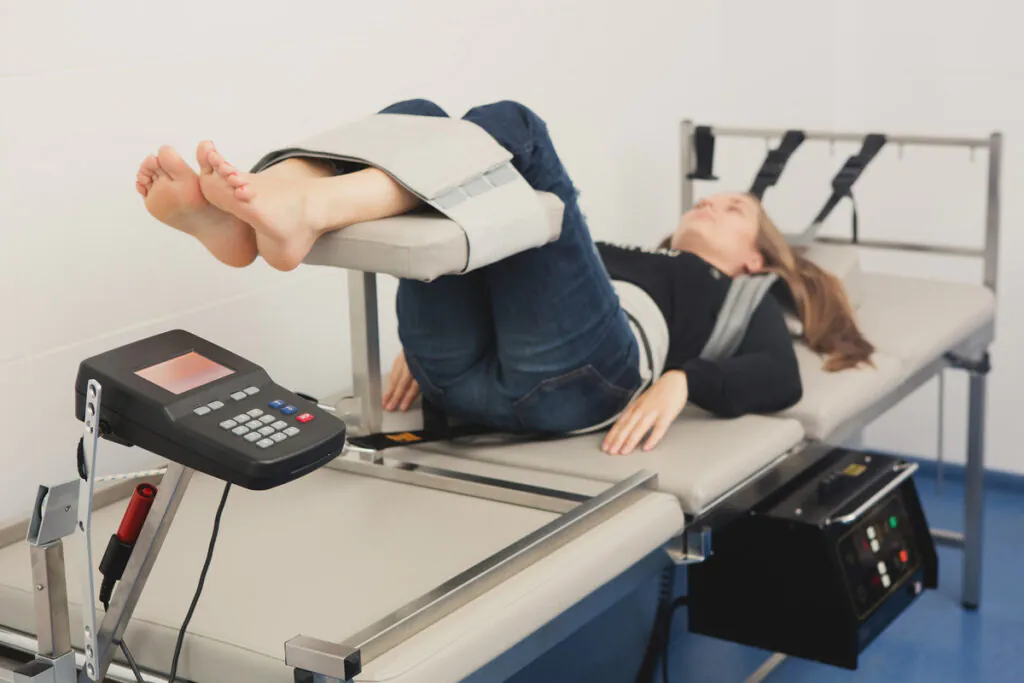
When it comes to managing chronic back pain, you might find yourself weighing the pros and cons of non-invasive solutions against more traditional methods. You're not alone in seeking effective relief without the risks associated with surgery or strong medications. Techniques like physical therapy and chiropractic care can address the underlying issues, but do they really offer the long-term results you're looking for? Exploring these alternatives could change your approach to pain management in ways you hadn't considered. What might those changes look like, and how could they impact your daily life?
Understanding Chronic Back Pain
Chronic back pain affects millions of people worldwide, often disrupting daily activities and diminishing quality of life. You may find it difficult to perform simple tasks like bending down to tie your shoes or lifting a grocery bag. Understanding chronic back pain is vital for managing it effectively.
This type of pain persists for more than three months and can stem from various causes, including injury, poor posture, or underlying medical conditions. It can manifest as a dull ache, sharp pain, or even a burning sensation. You might notice that it varies in intensity, sometimes flaring up unexpectedly and making you feel helpless.
Recognizing the symptoms is the first step. If you experience stiffness, muscle spasms, or pain that radiates down your legs, it's imperative to pay attention to these signals. Additionally, factors like stress, anxiety, and even depression can exacerbate your back pain, creating a vicious cycle that's hard to break.
You might also be surprised to learn that lifestyle choices play a significant role in your back health. Sedentary habits, poor ergonomics, and even being overweight can contribute to your discomfort. By understanding the root causes and acknowledging the impact of your daily habits, you can take the first steps toward improvement.
Ultimately, gaining insight into chronic back pain empowers you to make informed decisions. You're not alone in this journey, and knowledge is your first ally in seeking relief.
Overview of Non-Invasive Solutions
Finding effective relief for back pain can feel overwhelming, especially when faced with a variety of treatment options. Non-invasive solutions offer a promising path, allowing you to manage discomfort without the risks associated with surgery or medication. These solutions focus on addressing the root causes of your pain while promoting healing and overall well-being.
One of the most popular non-invasive methods is physical therapy. Working with a trained professional, you'll engage in targeted exercises that strengthen your back and core muscles, improve flexibility, and enhance posture. This can help alleviate pain and reduce the likelihood of future injuries.
Another effective option is chiropractic care. Chiropractors utilize manual adjustments to realign your spine, which can relieve pressure on nerves and improve mobility. Many people find that regular visits contribute to long-term relief from chronic pain.
Acupuncture is another alternative that's gaining traction. By inserting thin needles into specific points on the body, this ancient practice aims to stimulate energy flow and promote natural healing. Many patients report significant pain reduction and increased relaxation after acupuncture sessions.
Additionally, mindfulness and relaxation techniques, like meditation and yoga, can play an essential role in managing your pain. These practices not only help reduce stress but also encourage better awareness of your body, enabling you to respond to discomfort more effectively.
Exploring these non-invasive solutions can empower you to take control of your back pain and improve your quality of life without resorting to more invasive measures.
Benefits of Physical Therapy
Physical therapy offers numerous benefits for those seeking relief from back pain. First and foremost, it helps you improve your strength and flexibility. Through targeted exercises, you can build the muscles that support your spine, making you less susceptible to future injuries.
You'll also learn proper techniques to perform daily activities, reducing strain on your back.
Another significant advantage is that physical therapy promotes healing without the need for medication. By focusing on non-invasive methods, you can avoid the side effects associated with painkillers, which often mask the issue rather than address it.
Instead, physical therapists use hands-on techniques, such as manual therapy, to alleviate pain and improve mobility.
Physical therapy also encourages a personalized approach to your specific condition. Your therapist will assess your individual needs and develop a tailored program that suits you, ensuring that you're working towards realistic goals.
This customized plan not only addresses your immediate pain but also empowers you with knowledge and strategies for long-term management.
Moreover, engaging in physical therapy often enhances your overall well-being. As you progress, you'll likely notice improvements in your mood and energy levels.
The education you receive about your body and how it works can lead to a greater understanding of your health, encouraging you to take proactive steps in your recovery.
Role of Chiropractic Care
When exploring non-invasive solutions for back pain relief, chiropractic care plays a significant role. This hands-on approach focuses on diagnosing and treating musculoskeletal disorders, particularly spine-related issues. By realigning your spine and improving your nervous system function, chiropractors can help alleviate pain and enhance your overall well-being.
Chiropractic adjustments are designed to restore proper alignment in your spine, which can relieve tension and reduce inflammation. You may find that these adjustments not only ease chronic pain but also improve your range of motion and flexibility. Regular visits to a chiropractor can help you maintain this alignment, preventing future flare-ups.
In addition to spinal adjustments, chiropractors often incorporate various techniques like massage therapy, therapeutic exercises, and lifestyle advice. These complementary methods can support your healing process and empower you to take control of your pain management.
You'll likely develop a personalized treatment plan that addresses your specific needs, ensuring a more effective path to recovery.
Many people report feeling an immediate reduction in pain following chiropractic treatments. By fostering a better connection between your body and nervous system, you're more likely to experience lasting relief.
Furthermore, chiropractic care emphasizes the importance of preventative measures, encouraging you to adopt healthier habits that contribute to long-term spinal health.
Exploring Alternative Treatments
Exploring alternative treatments for chronic back pain can open up a world of options beyond traditional methods. You might find yourself considering therapies that focus on holistic approaches, which can address both the physical and emotional aspects of pain.
One option is acupuncture, where thin needles are inserted at specific points on your body. Many people report significant pain relief after just a few sessions.
Another avenue to explore is massage therapy. Whether you choose deep tissue, Swedish, or trigger point massage, the aim is to relieve muscle tension and improve blood circulation. This can lead to reduced pain and improved mobility, making it a worthwhile consideration for your treatment plan.
Yoga and Pilates are also gaining popularity as alternative treatments. These practices enhance flexibility, strengthen core muscles, and promote relaxation. They can be particularly beneficial for individuals whose pain is exacerbated by stress or poor posture.
You could also look into herbal remedies and dietary changes. Certain supplements, like turmeric or omega-3 fatty acids, are known for their anti-inflammatory properties, which may alleviate pain. Always consult with a healthcare provider before starting any new supplement regimen to confirm it's safe for you.
Finally, mindfulness and meditation techniques can help you manage pain by changing your perception of it. By incorporating these alternative treatments into your routine, you can discover a more thorough approach to managing your chronic back pain and improving your overall quality of life.
Comparing Effectiveness of Methods
Many individuals seek relief from chronic back pain through various methods, but how effective are these treatments? When evaluating options, you'll find that efficacy can vary widely among non-invasive solutions.
For instance, physical therapy often stands out as a highly effective method. It not only helps strengthen muscles but also improves flexibility, which can alleviate pain over time.
Chiropractic care is another popular choice. Many people report immediate relief after adjustments, making it an appealing option. However, the long-term effectiveness can depend on the underlying cause of your pain. While some individuals experience notable benefits, others might find less consistent results.
Acupuncture has gained traction as an alternative treatment, with some studies indicating it can help reduce pain by triggering the body's natural pain-relief mechanisms. However, responses can be quite individual. You might feel immediate relief, or it may take several sessions to notice a difference.
On the other hand, mindfulness and relaxation techniques focus on reducing stress and can also play an essential role in managing chronic pain. While these methods may not directly address the physical aspects of back pain, they can greatly improve your overall quality of life.
Making Informed Choices
With various non-invasive options available, making informed choices about chronic back pain relief can feel overwhelming. You might find yourself bombarded with information about treatments like physical therapy, acupuncture, chiropractic care, and more. To navigate this maze effectively, start by identifying your specific pain triggers and how they impact your daily life. This understanding will help you prioritize the solutions that align best with your needs.
Next, research each option thoroughly. Look for credible sources, patient reviews, and expert opinions to gauge effectiveness. Don't hesitate to consult with healthcare professionals who specialize in pain management. They can provide tailored advice based on your medical history and lifestyle.
It's also essential to evaluate potential side effects or risks associated with each method. For instance, while acupuncture is generally safe, some may experience soreness afterward. Similarly, physical therapy can be incredibly beneficial but may require commitment and effort on your part.
As you evaluate your choices, think about what fits into your routine. Can you commit to regular sessions, or do you need something more flexible?
Ultimately, trust your instincts and listen to your body. You deserve a solution that not only alleviates your pain but also enhances your quality of life. By gathering information and weighing your options, you'll be well-equipped to make your decision, empowering yourself in your journey toward relief.
Conclusion
To summarize, non-invasive solutions for chronic back pain offer you a safe and effective way to find relief without the risks of surgery or medications. By exploring options like physical therapy, chiropractic care, and alternative treatments, you can strengthen your body, improve your posture, and reduce stress. Empower yourself to make informed choices that promote natural healing and enhance your quality of life. Remember, you're not alone on this journey—many effective methods are available for you to try.