If you're struggling with chronic tension headaches, you might feel stuck in a cycle of discomfort and frustration. While pain relievers can offer temporary relief, there are surprising solutions that could provide more sustainable results. Techniques like mindfulness and acupressure may hold the key to alleviating your symptoms, and dietary changes might play an essential role as well. Curious about how these approaches work together to create an all-encompassing relief plan? Let's explore some effective strategies that could transform your experience with tension headaches.
Understanding Chronic Tension Headaches
Recognizing the signs of chronic tension headaches can be essential for effective management. These headaches often manifest as a constant, dull ache that can feel like a tight band around your head. You might notice the pressure intensifying throughout the day, especially during stressful situations. It's common to experience sensitivity to light or sound, but unlike migraines, these headaches typically don't come with nausea.
To understand what triggers your chronic tension headaches, pay attention to your daily habits and routines. Stress is often a primary culprit, so consider how your workload or emotional state affects your physical well-being. Poor posture, especially when sitting at a desk for long periods, can also contribute to tension in your neck and shoulders, which might lead to headaches.
You might find that irregular sleep patterns can exacerbate your symptoms. If you're not getting enough rest, your body can easily succumb to tension headaches. Keeping a headache diary can help you identify patterns and pinpoint triggers. Note the intensity, duration, and any associated symptoms to discuss with your healthcare provider.
Understanding your headaches is the first step toward finding relief. Once you recognize your specific triggers and symptoms, you can implement strategies to manage the pain and reduce frequency.
Mindfulness and Meditation Techniques
Practicing mindfulness and meditation can greatly reduce the frequency and intensity of chronic tension headaches. These techniques help you focus on the present moment, allowing you to detach from stressors that contribute to headaches. By incorporating mindfulness into your daily routine, you can develop a heightened awareness of your body and its tension patterns.
Start by setting aside a few minutes each day for meditation. Find a quiet space where you won't be disturbed. Sit comfortably, close your eyes, and take deep, slow breaths. Focus on the rhythm of your breath, feeling the air fill your lungs and then gently release it. If your mind wanders, gently bring your focus back to your breath. This practice not only calms your mind but also helps you recognize the physical sensations of tension, allowing you to address them more effectively.
You might also explore guided meditation, available through various apps or online platforms. These sessions often include techniques specifically designed to alleviate tension. You'll find visualizations that encourage relaxation and promote a sense of peace.
In addition, try incorporating mindfulness into daily activities. Whether you're eating, walking, or even washing dishes, pay attention to the sensations, smells, and sounds around you. This practice can help ground you, reduce stress, and ultimately lessen the likelihood of tension headaches.
Acupressure for Pain Relief
Finding relief from chronic tension headaches can be as simple as applying acupressure to specific points on your body. This technique involves using your fingers to apply pressure to targeted areas, promoting relaxation and alleviating pain. Acupressure works by stimulating the body's natural healing abilities, helping to release tension trapped in muscles and restore balance.
To start, locate the pressure point between your eyebrows, known as Yintang. Gently press and hold for 30 seconds while taking deep breaths. This point can help relieve stress and reduce headache intensity.
Next, try pressing on the base of your skull, where your neck meets your skull, at the points known as Fengchi. Apply firm pressure for about a minute; you may feel immediate relief as tension dissipates.
Another effective point is located on your hand, specifically between the thumb and index finger, called Hegu. Squeeze this area with your opposite thumb and index finger for 30 seconds to a minute. This technique is particularly effective for headaches caused by tension and stress.
Incorporating acupressure into your routine can be a practical, on-the-go solution. You can perform these techniques at home, at work, or even while traveling.
Just remember to breathe deeply and relax as you apply pressure. With a bit of practice, you'll find which points work best for you, allowing you to manage your chronic tension headaches more effectively without relying solely on medication.
Dietary Changes to Consider
Making thoughtful dietary changes can greatly impact your experience with chronic tension headaches. What you eat can either contribute to or alleviate your symptoms. By paying attention to your diet, you might find relief in unexpected ways.
Here are some dietary changes to take into account:
- Stay Hydrated: Dehydration is a common headache trigger. Aim for at least eight glasses of water daily to keep your body well-hydrated.
- Limit Caffeine: While some people find relief from small amounts of caffeine, too much can lead to withdrawal headaches. Monitor your intake and try to reduce it if necessary.
- Identify Trigger Foods: Certain foods may trigger your headaches. Common culprits include aged cheeses, processed meats, and foods containing MSG. Keep a food diary to identify any patterns.
- Increase Magnesium Intake: Magnesium deficiency has been linked to headaches. Include more magnesium-rich foods in your diet, such as leafy greens, nuts, seeds, and whole grains.
Alternative Therapies and Practices
Alternative therapies and practices can offer valuable relief for those struggling with chronic tension headaches. You might want to explore options like acupuncture, which involves inserting fine needles into specific points on your body. Many people report reduced headache frequency and intensity after a few sessions, as acupuncture may help release tension and improve blood flow.
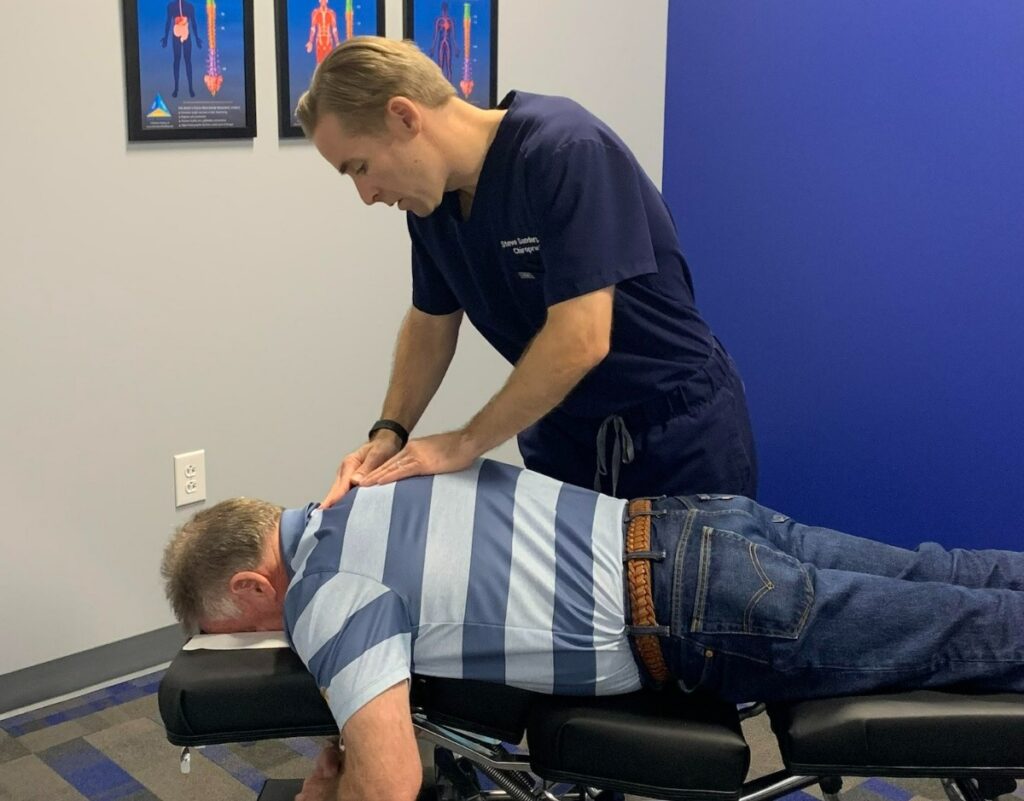
Another promising option is massage therapy. Regular massages can ease muscle tightness and promote relaxation, addressing the physical tension that often leads to headaches. Consider visiting a licensed therapist who specializes in headache relief to maximize the benefits.
Yoga and mindfulness practices can also be effective. By incorporating gentle stretching and deep breathing techniques, you can alleviate stress and promote overall well-being. Try dedicating a few minutes each day to these practices; even simple poses can greatly reduce headache triggers.
Herbal remedies, such as feverfew and butterbur, have shown potential in studies for headache relief. However, it's crucial to consult with a healthcare professional before starting any new supplements, as they may interact with medications you're currently taking.
Finally, biofeedback can help you gain awareness of your body's stress responses and teach you techniques to manage them effectively. This practice empowers you to control your headache triggers, making it a valuable tool in your overall headache management strategy.
Conclusion
Incorporating these surprising solutions can make a real difference in managing your chronic tension headaches. By practicing mindfulness and meditation, applying acupressure, and making dietary adjustments, you can find relief that goes beyond traditional pain relievers. Keep a headache diary to track triggers and refine your approach. Remember, it's about creating a personalized plan that works for you, so don't hesitate to explore these strategies for improved well-being and a more headache-free life.