As a local chiropractor, I want to share with you the benefits of a natural approach to recovering from sports injuries. When you're dealing with an injury, it's essential to consider not just rest, but also how proper nutrition, customized physical therapy, and mindfulness techniques can significantly support your healing journey.
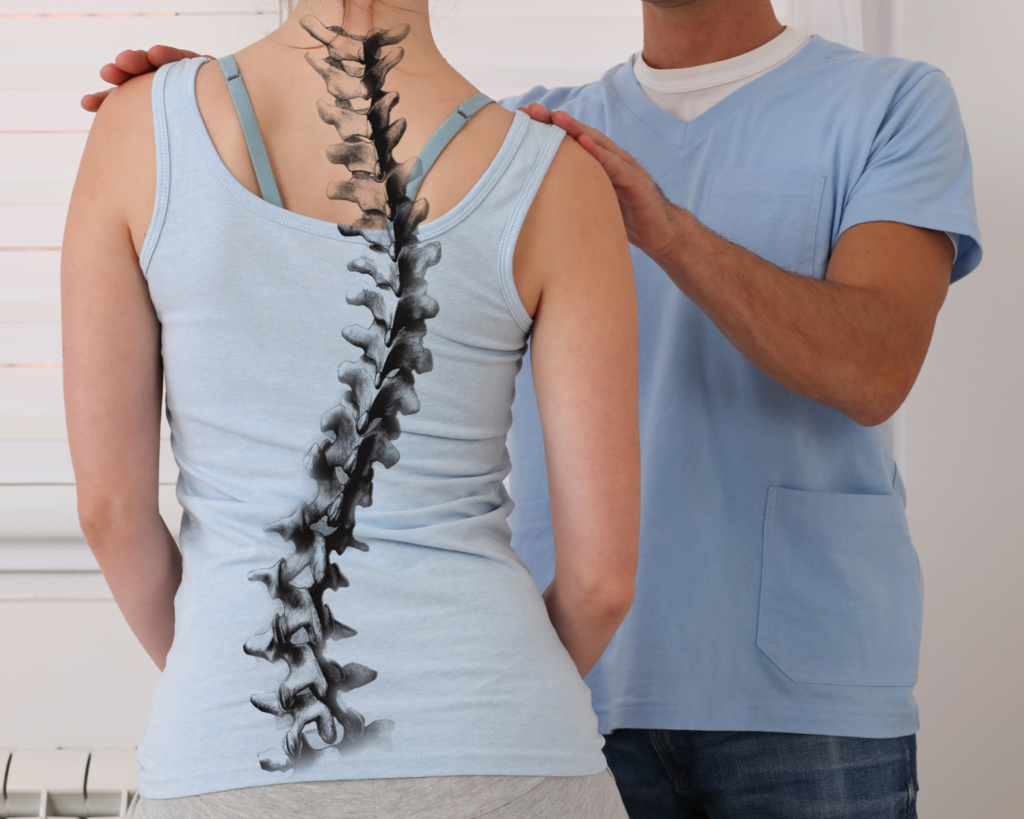
Chiropractic care focuses on aligning your body and addressing any imbalances that may hinder your recovery. By incorporating these natural strategies, you can empower your body to heal more efficiently. It's about nurturing both your body and mind, allowing you to recover effectively and sustainably.
As you contemplate your recovery options, you may find that the key to getting back to peak performance could be in methods you haven't yet explored—like chiropractic adjustments and holistic practices. Let's work together to unlock your body's natural healing potential!
Understanding Sports Injuries
As a local chiropractor, I often see patients who find themselves sidelined by unexpected sports injuries, which can be both frustrating and discouraging. To pave the way for effective recovery, it's essential to understand the different types of injuries you might encounter in your athletic pursuits.
Generally, sports injuries can be categorized into two main groups: acute and chronic.
Acute injuries happen suddenly, often as a result of a specific incident, such as a fall or collision. Common examples include sprains, strains, fractures, and contusions—all of which require prompt attention to prevent further complications.
Conversely, chronic injuries develop gradually over time, frequently due to repetitive stress or overuse. If you find yourself experiencing persistent pain in a joint or muscle, you may be dealing with conditions like tendinitis or stress fractures. Recognizing the differences between these injury types is crucial as it allows you to take the right steps towards healing.
Once you identify your injury, the next step is to assess its severity. You can do this by paying attention to your pain level, swelling, and range of motion. In some cases, it may be beneficial to consult with a healthcare professional, such as a chiropractor, who can provide a thorough diagnosis and tailored treatment plan. Ignoring your body's warning signs can lead to further damage and a longer recovery time.
Understanding the mechanics behind your injury is also vital for your recovery journey. This involves acknowledging how factors such as improper technique, inadequate warm-ups, and insufficient conditioning can lead to injuries.
Nutritional Strategies for Healing
As a local chiropractor, I want to emphasize that healing from a sports injury goes beyond just physical therapy; nutrition is a crucial component of your recovery journey. The right nutrients can significantly impact your healing process by reducing inflammation, promoting tissue repair, and enhancing your immune system.
Let's explore how you can use nutrition to support your recovery effectively.
First and foremost, it's vital to prioritize protein in your diet. Protein is fundamental for rebuilding damaged tissues and muscles. You can find high-quality protein sources in lean meats, fish, eggs, legumes, and dairy products. I recommend incorporating a source of protein into every meal and snack to ensure your body has the building blocks it needs to heal.
Next, let's talk about healthy fats. Omega-3 fatty acids, which are abundant in fatty fish, walnuts, and flaxseeds, are known for their anti-inflammatory properties. Including these foods in your diet can help support your recovery and reduce any swelling you may experience.
Carbohydrates also play an important role in your healing process, especially if you're participating in rehabilitation exercises. Opt for whole grains, fruits, and vegetables to provide your body with sustained energy and essential nutrients that aid in recovery.
Don't overlook the importance of staying hydrated. Drinking plenty of water throughout the day is essential for maintaining optimal body functions. Proper hydration supports nutrient transport and is crucial for joint health, which is vital for anyone recovering from an injury.
Lastly, if you feel it's necessary, consider discussing supplements with a healthcare professional. Nutrients like Vitamin C, zinc, and magnesium can enhance healing and boost your immune system. However, it's always best to consult with a qualified healthcare provider before starting any new supplements.
By focusing on these nutritional strategies, you can complement your chiropractic care and support your body's natural healing processes.
The Role of Physical Therapy
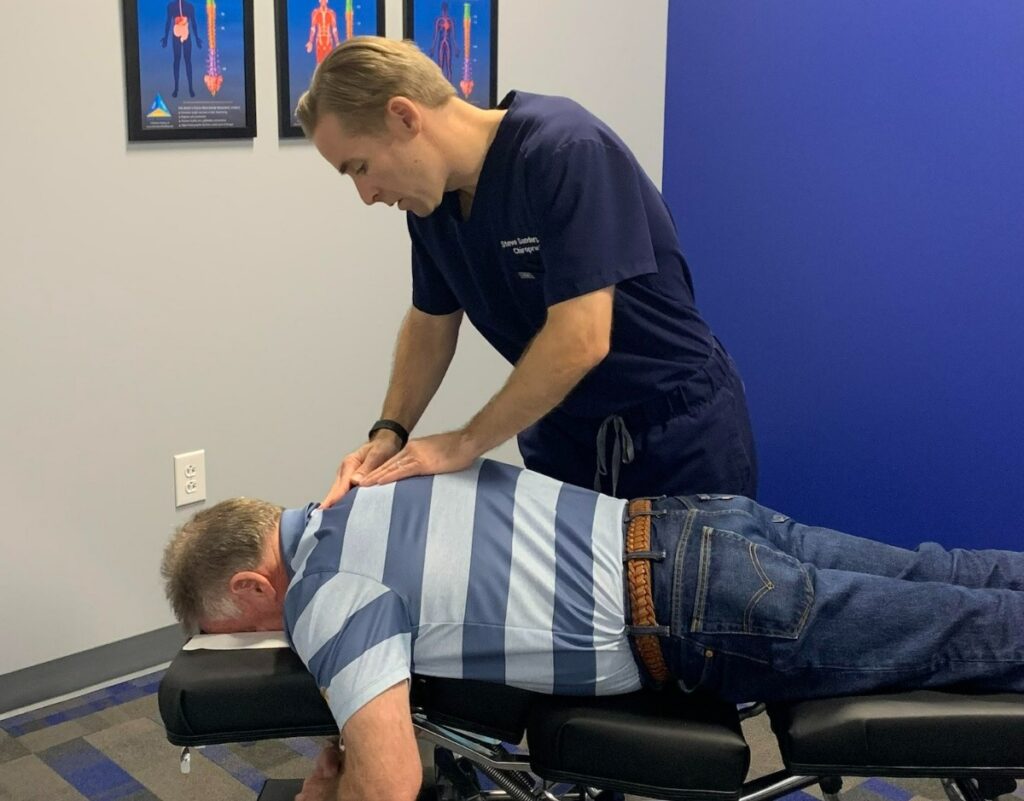
Integrating chiropractic care into your recovery plan can be a transformative approach for overcoming a sports injury. When you work with a chiropractor, you gain access to expert guidance that's specifically tailored to your individual needs. They'll assess your condition, identify areas of concern, and develop a personalized treatment plan that promotes healing while restoring your strength and flexibility.
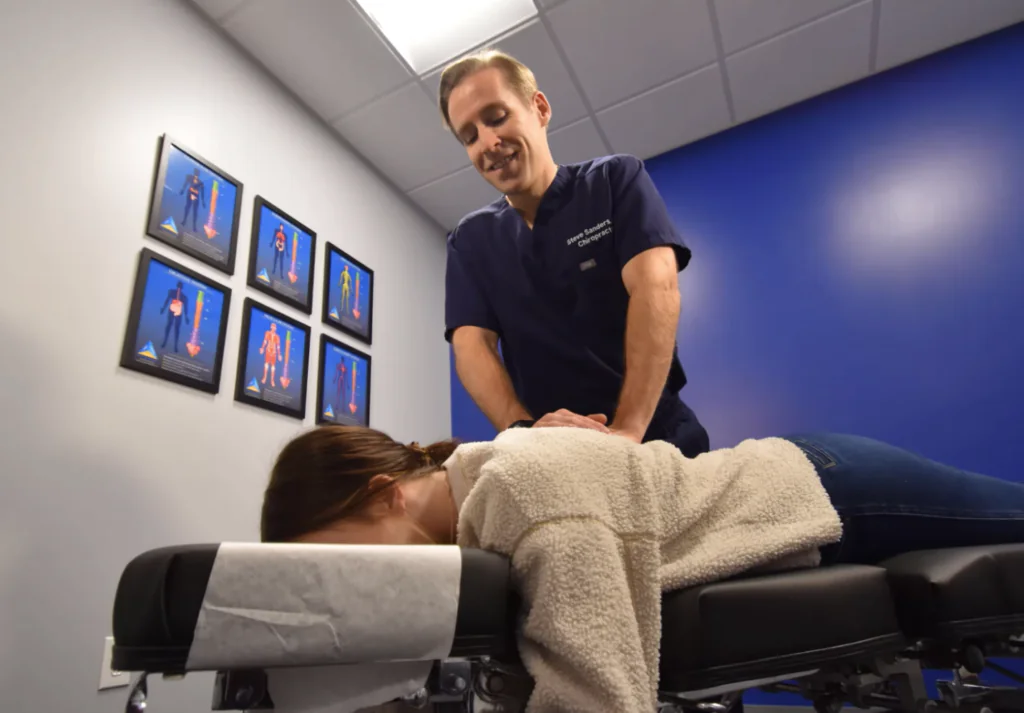
Chiropractic care focuses on gentle adjustments and manipulations that improve your range of motion and alleviate pain. You'll learn proper techniques to prevent reinjury, ensuring that you return to your sport safely and effectively. Additionally, a chiropractor can provide complementary therapies such as massage and soft tissue work, which help reduce inflammation and further enhance your recovery.
Incorporating natural modalities like therapeutic ultrasound or electrical stimulation can accelerate the healing process, allowing you to bounce back more quickly. Your chiropractor will also educate you about body mechanics and posture, which are essential for preventing future injuries. This knowledge empowers you to make smarter choices during workouts and competitions, promoting long-term health.
Consistency is vital in chiropractic care. By adhering to your scheduled appointments and following your chiropractor's recommendations for at-home exercises and lifestyle changes, you'll experience significant improvements over time.
Don't underestimate the importance of communication; keep your chiropractor informed about your progress and any challenges you encounter. This collaboration will ensure that your recovery remains on track.
Ultimately, chiropractic care isn't just about healing; it's about optimizing your performance and overall well-being. By investing time and effort into this important aspect of recovery, you'll be setting yourself up for a stronger and healthier comeback.
Embrace the journey, and before you know it, you'll be back to doing what you love.
Mindfulness and Mental Resilience
As a local chiropractor, I often emphasize the role of mindfulness in enhancing recovery from sports injuries. Integrating mindfulness into your healing routine can significantly improve your mental resilience and overall recovery process.
Mindfulness encourages you to stay present, enabling you to acknowledge your thoughts and feelings without judgment, which can be particularly beneficial in alleviating the anxiety and stress that frequently accompany injury recovery.
When you practice mindfulness, you develop an improved ability to listen to your body. This heightened awareness of your physical sensations can help you pinpoint any discomfort or tension during your rehabilitation. By being more in tune with your body, you can make informed adjustments to your exercises or recognize when it's time to take a break.
Additionally, mindfulness cultivates a positive mindset, which is crucial when facing the challenges of recovery. It helps you set realistic goals and appreciate small achievements along the way, bolstering your motivation.
Visualizing your progress and seeing yourself back in action can further enhance your mental resilience, making it easier to overcome any setbacks you may encounter.
Incorporating mindfulness techniques, such as meditation, deep breathing exercises, or yoga, can complement your physical therapy and chiropractic care. These practices not only soothe your mind but also contribute to better physical health, assisting in pain management and inflammation reduction.
Ultimately, embracing mindfulness as part of your recovery journey equips you with valuable tools to handle the emotional rollercoaster that often accompanies healing. This approach empowers you to emerge stronger, both physically and mentally.
Exploring Alternative Therapies
As a local chiropractor, I want to share with you the benefits of exploring alternative therapies for recovery from sports injuries. While traditional treatments are essential, integrating holistic approaches can significantly enhance your healing journey by addressing both the physical and emotional aspects of recovery.
One therapy you might consider is acupuncture. This practice involves using thin needles to stimulate specific points in your body, which many athletes have found helpful in alleviating pain and promoting healing. After just a few sessions, numerous individuals have reported significant reductions in discomfort and improved mobility.
Chiropractic care is another excellent option. My approach focuses on spinal alignment and joint function, which are crucial for optimal athletic performance. Regular adjustments can't only enhance your range of motion but also reduce muscle tension and facilitate a faster recovery process.
I take pride in offering personalized treatment plans that cater specifically to your injuries and individual needs.
Physical therapy is also a vital part of the recovery process. A skilled therapist can develop a rehabilitation program tailored to your injury while strengthening surrounding muscles to prevent future issues. Techniques like manual therapy and exercise prescription often yield quicker and more effective results.
Moreover, I encourage you to explore herbal remedies and supplements as part of your recovery regimen. For example, turmeric is known for its anti-inflammatory properties and can help reduce pain. However, it's essential to consult with a healthcare professional to ensure these options are safe and effective for you.
Finally, incorporating practices such as yoga and massage therapy can greatly enhance your recovery by promoting relaxation and improving circulation. By embracing these alternative therapies alongside traditional treatments, you can create a comprehensive recovery plan that fosters a more thorough healing experience.
I'm here to guide you through this process and help you achieve optimal health and wellness.
Conclusion
As a local chiropractor, I want to share how incorporating holistic approaches into your sports injury recovery can truly benefit you. By focusing on proper nutrition, engaging in targeted physical therapy, and practicing mindfulness, you're not just healing your body but also nurturing your mind. It's important to understand that recovery is a process that requires time and patience. However, with the right strategies, you can rejuvenate your journey back to peak performance.
Chiropractic care plays a vital role in this holistic approach. It helps restore alignment, improve mobility, and reduce pain, allowing your body to heal more effectively. Embrace this journey of recovery, and you'll come out stronger and more resilient than ever. Trust me, your body—and mind—will appreciate the care and attention. Let's work together to get you back to doing what you love!