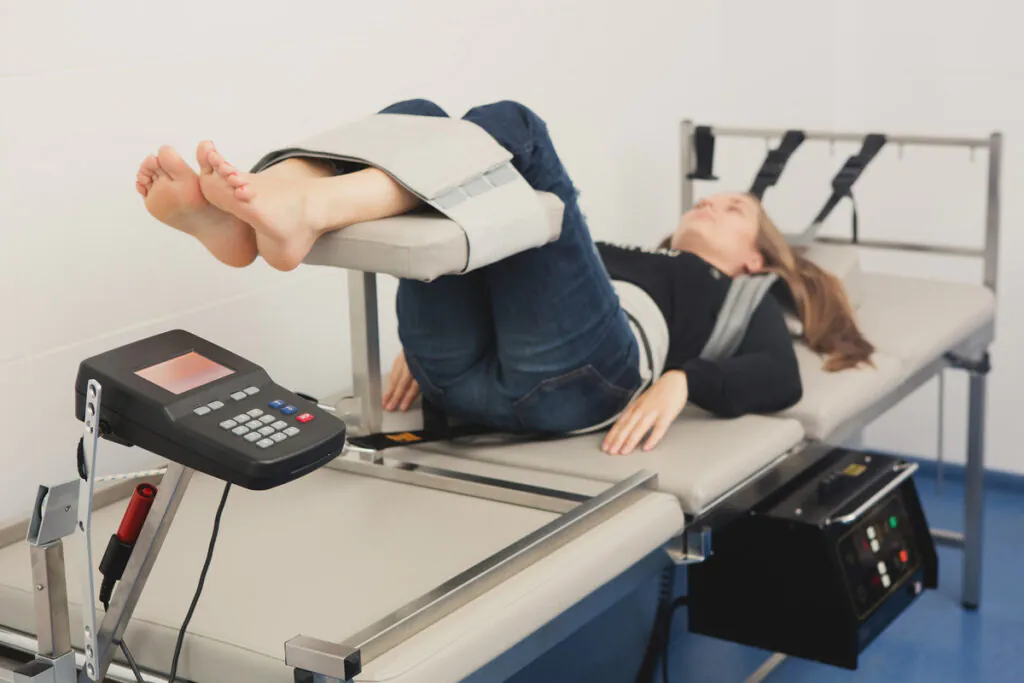
If you're dealing with lower back pain in Fort Worth, you might be wondering about the best solutions available. There are various approaches, from physical therapy and chiropractic care to alternative therapies like acupuncture and massage. Each option offers unique benefits, but understanding which combination works for you can be essential in managing pain effectively. As you explore these possibilities, consider how lifestyle adjustments can further enhance your recovery. What you'll discover next could change the way you approach treatment and relief.
Physical Therapy Options
Exploring physical therapy options can be a game-changer for anyone dealing with lower back pain in Fort Worth. When you choose physical therapy, you're taking an active step toward understanding and managing your pain. A licensed physical therapist will assess your condition, helping you identify the root causes of your discomfort. This personalized approach allows you to target specific muscles and joints contributing to your pain.
You'll engage in various therapeutic exercises designed to improve strength, flexibility, and mobility. These exercises not only alleviate pain but also help prevent future episodes. Your therapist might incorporate modalities like heat, cold, or electrical stimulation to enhance your recovery. Each session aims to empower you with techniques you can use at home, ensuring you're actively participating in your healing process.
Additionally, education plays a vital role in physical therapy. You'll learn about body mechanics and posture, which can greatly impact your back health. Adjusting how you sit, stand, or lift can make a big difference in your everyday life.
Most importantly, physical therapy fosters a sense of control. You won't feel like a passive participant in your treatment; instead, you'll be equipped with tools and strategies to manage your pain effectively.
As you progress, you'll likely notice improvements not just in your back, but in your overall well-being. So, if you're in Fort Worth and struggling with lower back pain, consider exploring physical therapy options—it could be the solution you've been seeking.
Chiropractic Care Benefits
Chiropractic care offers significant benefits for those battling lower back pain in Fort Worth. When you visit a chiropractor, you're not just seeking temporary relief; you're aiming for long-term solutions. Chiropractors focus on diagnosing and treating misalignments in the spine, which can often be the root cause of your pain. By realigning your spine, chiropractors help restore your body's natural function, allowing you to move more freely and comfortably.
One of the key benefits of chiropractic care is its non-invasive nature. Instead of relying on medications that can mask pain or lead to dependency, chiropractors use hands-on adjustments to address the underlying issues. This approach not only alleviates pain but also enhances your overall health and well-being. You may notice improvements in flexibility, posture, and even sleep patterns after a few sessions.
Chiropractic care also empowers you with knowledge about your body. Your chiropractor will likely provide you with personalized advice on exercises and lifestyle changes to help prevent future pain. This proactive approach equips you with the tools to manage your condition effectively.
Moreover, many patients report feeling more relaxed and less stressed after chiropractic adjustments. This holistic approach addresses both physical and emotional aspects of pain, leading to a more thorough recovery.
If you're in Fort Worth and struggling with lower back pain, consider chiropractic care as a viable option. It could be the key to regaining your quality of life and enjoying everyday activities once again.
Massage Therapy Techniques
Massage therapy techniques can play an essential role in alleviating lower back pain and enhancing overall well-being. When you experience discomfort in your lower back, specific massage methods can help release tension, improve circulation, and promote relaxation in the affected areas.
One effective technique is Swedish massage. This method uses long, flowing strokes to increase blood flow and reduce muscle stiffness. It's particularly beneficial for easing tension in your lower back, allowing you to feel more relaxed and less restricted in your movements.
Another useful approach is deep tissue massage. Here, the therapist applies firm pressure to target deeper layers of muscle and connective tissue. This technique can release chronic muscle tension and address any underlying issues contributing to your pain.
Trigger point therapy is also worth considering. This technique focuses on specific points within tight muscles, where pain can radiate to other areas. By applying pressure to these trigger points, you can relieve the discomfort in your lower back and restore balance to your body.
Lastly, you might find myofascial release helpful. This gentle technique targets the fascia, the connective tissue surrounding your muscles. By easing restrictions in the fascia, this method can improve your overall mobility and reduce pain in your lower back.
Incorporating these massage therapy techniques into your routine can considerably enhance your quality of life, allowing you to engage in daily activities with greater comfort and ease.
Remember to consult a qualified massage therapist to determine the best approach for your specific needs.
Acupuncture for Pain Relief
Many people find acupuncture to be an effective option for alleviating lower back pain. This ancient practice involves inserting thin needles into specific points on your body, aiming to balance energy flow and stimulate healing. If you're looking for a natural approach to pain relief, acupuncture could be worth considering.
During your first visit, a trained acupuncturist will assess your condition, discussing your symptoms and medical history. They'll identify the acupuncture points that correspond to your lower back pain. Many patients report feeling relaxed and even sleepy during the treatment, as the needles often help release endorphins, your body's natural painkillers.
The benefits of acupuncture extend beyond just pain relief. You might notice improvements in your overall well-being, including reduced stress and anxiety. Some studies suggest that acupuncture can enhance your body's ability to heal itself, making it a holistic approach to managing lower back discomfort.
While most people experience minimal to no side effects, it's important to consult with a healthcare professional before starting acupuncture, especially if you have any underlying health conditions.
Finding a licensed acupuncturist in Fort Worth is vital, as their expertise can greatly impact the effectiveness of your treatment.
If you're looking for an alternative to traditional pain management techniques, consider giving acupuncture a try. Many have found it not only helps alleviate their lower back pain but also contributes to a better quality of life overall.
Injections and Medications
When lower back pain becomes unbearable, injections and medications can provide significant relief. These treatments target inflammation and pain directly, often allowing you to return to your daily activities more comfortably. Your healthcare provider may recommend several options based on your specific condition.
Corticosteroid injections are a popular choice. They work by reducing inflammation around the nerves in your lower back. You might find this treatment effective if you have conditions like herniated discs or sciatica. The effects can last for several weeks to months, giving you a much-needed break from pain.
Another option is a nerve block injection, which numbs the pain signals traveling from your back to your brain. This can help you participate in physical therapy more effectively. You might also consider epidural steroid injections, which deliver medication directly into the epidural space around your spinal cord.
In addition to injections, various oral medications can help manage your pain. Over-the-counter options like ibuprofen or acetaminophen can provide immediate relief. If your pain is more severe, your doctor may prescribe stronger medications, including muscle relaxants or opioids, though these come with more risks and potential side effects.
Don't forget to discuss your treatment plan with your healthcare provider. They'll help determine the best approach for your needs and monitor your progress, ensuring you get the relief you deserve.
Taking the first step towards managing your pain can lead to a more active and fulfilling life.
Yoga and Stretching Practices
Incorporating yoga into your routine can greatly alleviate lower back pain by improving flexibility and strength.
You'll find that effective stretching techniques not only enhance your mobility but also reduce tension in your back.
Let's explore how these practices can benefit your overall well-being.
Benefits of Yoga
Practicing yoga regularly can greatly alleviate lower back pain and improve flexibility. This ancient practice focuses on posture, breath control, and mindfulness, which can help you connect your body and mind. When you engage in yoga, you strengthen the muscles that support your spine and help relieve tension in tight areas.
One of the greatest benefits of yoga is its emphasis on proper alignment. By learning to align your body correctly, you reduce the risk of further injury and create a solid foundation for movement. This awareness can lead to better posture in your daily life, minimizing strain on your lower back.
Additionally, yoga encourages relaxation and stress reduction. Chronic stress can lead to muscle tension, which exacerbates lower back pain. Through deep breathing and mindfulness, yoga helps you release this tension, promoting a sense of calm and well-being.
Incorporating yoga into your routine can also enhance your overall physical fitness. You'll develop better balance, coordination, and strength, all of which contribute to a healthier back.
Effective Stretching Techniques
While many people associate yoga with relaxation and mindfulness, effective stretching techniques are essential for relieving lower back pain. Incorporating targeted stretches into your routine can greatly improve flexibility and reduce tension in your lower back.
Start with the Cat-Cow stretch. Begin on your hands and knees, arching your back up while exhaling and then lowering it while inhaling. This movement warms up your spine and alleviates tightness.
Next, try the Child's Pose. Kneel and sit back on your heels, extending your arms forward and lowering your torso. Hold this position for a minute to stretch your lower back gently.
Another great option is the Seated Forward Bend. Sit with your legs extended and reach towards your toes, feeling the stretch in your hamstrings and lower back.
Finally, consider the Supine Twist. Lying on your back, bring one knee to your chest and gently guide it across your body to the floor. This stretch helps to release tension in your spine.
Lifestyle Modifications
Making smart lifestyle modifications can greatly alleviate lower back pain and enhance your overall well-being. One of the most impactful changes you can make is to incorporate regular physical activity into your daily routine. Aim for low-impact exercises like walking, swimming, or cycling, which can strengthen your back muscles and improve flexibility. Just thirty minutes a day can make a significant difference.
Another vital aspect is your diet. Eating a balanced diet rich in anti-inflammatory foods, such as fruits, vegetables, and whole grains, can help reduce pain. Staying hydrated is equally important, as proper hydration supports spinal health and muscle function.
Don't underestimate the power of sleep. Confirm you're getting enough restful sleep each night, as poor sleep can exacerbate pain. Consider investing in a supportive mattress and pillows that align your spine correctly.
Additionally, pay attention to your posture throughout the day. Whether you're sitting, standing, or lifting, maintaining good posture can prevent unnecessary strain on your back. If you find yourself sitting for extended periods, make it a point to take breaks every hour to stand and stretch.
Lastly, managing stress can also play a role in reducing back pain. Techniques like meditation, yoga, or deep-breathing exercises can help you relax.
Ergonomic Workspace Solutions
Creating an ergonomic workspace is essential for minimizing lower back pain and enhancing productivity. When you set up your workspace thoughtfully, you can greatly reduce strain on your back and improve your comfort while working.
Start by choosing a chair that supports your lower back. It should have adjustable height features, so your feet rest flat on the floor and your knees are at a right angle.
Next, position your desk and monitor at the right height. Your monitor should be at eye level, about an arm's length away, to prevent you from leaning forward. If you work on a laptop, consider using a separate keyboard and mouse to keep your wrists in a neutral position. A laptop stand can elevate your screen and improve your posture.
Don't forget about your keyboard and mouse placement. Keep them close enough that you can use them without stretching. Your elbows should remain close to your body, ideally forming an angle between 90 and 120 degrees.
If you're sitting for long periods, take breaks every hour to stand, stretch, or walk around. This simple act can relieve tension and promote blood flow.
Lastly, consider adding accessories like a footrest or lumbar support cushion. These can provide additional comfort and encourage better posture throughout your workday.
Alternative Therapies
Many people find relief from lower back pain through alternative therapies that complement traditional treatments. If you're looking for ways to ease your discomfort, consider exploring these effective options:
1. Acupuncture: This ancient practice involves inserting thin needles into specific points on your body. Many find that acupuncture helps alleviate pain and improves overall well-being. It's believed to stimulate the release of endorphins, leading to natural pain relief.
2. Chiropractic Care: Regular visits to a chiropractor can help align your spine and relieve pressure on your nerves. Many people report significant improvements in their back pain after receiving adjustments.
Plus, a chiropractor can provide personalized exercises to strengthen your back and prevent future issues.
3. Massage Therapy: Therapeutic massage can be a game-changer for lower back pain. Techniques like deep tissue massage target tight muscles, reducing tension and enhancing circulation.
This not only helps with pain relief but also promotes relaxation and stress reduction.
Incorporating these alternative therapies into your routine might just be the key to managing your lower back pain more effectively.
Remember, it's important to consult with a healthcare professional before starting any new treatment plan. They can help you determine which therapies are best suited to your specific situation, ensuring you receive the most effective relief possible.
With a combination of alternative therapies, you can take proactive steps toward a pain-free life.
Supportive Devices and Aids
If you're struggling with lower back pain, supportive devices can make a significant difference in your comfort.
Back braces can provide essential stability, while ergonomic chairs help maintain proper posture during long hours of sitting.
Let's explore how these aids can enhance your daily activities and alleviate discomfort.
Back Braces Benefits
Discovering the right back brace can greatly alleviate your lower back pain and enhance your overall mobility. These supportive devices offer several benefits that can make a significant difference in your daily life.
- Pain Relief: A back brace provides compression and support, which helps reduce strain on your lower back. This can lead to immediate relief from discomfort, allowing you to engage in activities you enjoy.
- Improved Posture: Wearing a back brace encourages you to maintain proper alignment. This helps prevent further injury and promotes better posture, which can be beneficial for long-term back health.
- Increased Stability: A well-fitted back brace adds stability to your muscles and spine, making it easier to perform everyday tasks. Whether you're lifting, bending, or simply standing, the extra support can make a world of difference.
With these advantages, incorporating a back brace into your pain management strategy can be a game changer.
Remember to consult with a healthcare professional to find the right type and fit for your specific needs.
Ergonomic Chairs Importance
When it comes to combating lower back pain, investing in an ergonomic chair can make a significant difference in your comfort and productivity.
These specially designed chairs support your natural spine curvature, promoting better posture and reducing strain on your lower back.
You might be spending hours sitting at a desk, which can exacerbate discomfort if your chair isn't right for you. An ergonomic chair allows you to adjust the height, armrests, and lumbar support, ensuring your body is aligned properly.
This customization helps distribute your weight evenly, preventing pressure points that lead to pain.
Moreover, ergonomic chairs encourage movement and flexibility. Many models come with features that allow you to change positions easily, promoting circulation and minimizing stiffness.
This adaptability can help mitigate the risks associated with prolonged sitting.
Conclusion
In Fort Worth, tackling lower back pain involves a mix of therapies and lifestyle changes tailored to your needs. By exploring physical therapy, chiropractic care, and alternative treatments like massage and acupuncture, you can find the relief you're looking for. Don't forget the importance of ergonomic workspace setups and regular exercise in preventing future pain. Consult with healthcare providers to create a customized plan that supports your recovery and helps you get back to enjoying life.