As a local chiropractor, I understand how debilitating back pain can be and how it can interfere with your everyday activities. Many people are surprised to discover that effective relief often comes from a combination of techniques. Simple stretching exercises and ergonomic adjustments in your workspace can make a significant difference. It's important to realize that this isn't just about temporary fixes; incorporating a holistic approach can lead to long-term improvement.
In my practice, I've seen firsthand how exploring different methods, such as mindfulness practices and alternative therapies, can help individuals find the relief they seek. Each person's journey is unique, and I encourage you to consider which techniques align with your lifestyle and can provide the comfort you desire. Remember, chiropractic care focuses on natural healing, and together, we can develop a personalized plan to help you manage and overcome your back pain effectively.
Stretching and Strengthening Exercises
As a local chiropractor, I want to emphasize the importance of incorporating stretching and strengthening exercises into your routine to alleviate back pain effectively. These exercises are key to enhancing your flexibility and building the supportive muscles around your spine, which can help maintain proper posture and reduce discomfort.
Let's start with some gentle stretching exercises. One of my favorites is the cat-cow stretch. To perform this, get on all fours and begin by arching your back upwards while tucking your chin to your chest. Then, lower your belly and lift your head, creating a gentle wave through your spine. This movement is fantastic for increasing spinal mobility.
Another beneficial stretch is the child's pose. Simply sit back on your heels and extend your arms forward on the floor. This position helps elongate the spine and relaxes tight back muscles.
After you've warmed up with these stretches, it's time to focus on strengthening exercises. Planks are one of the best ways to build core strength. Start in a push-up position, ensuring that your body forms a straight line from head to heels. Aim to hold this position for 20-30 seconds, gradually increasing the duration as you gain strength.
Another effective exercise is the bridge. Lie on your back with your knees bent and feet flat on the floor. Lift your hips towards the ceiling while engaging your glutes, then lower back down. This exercise is great for strengthening your lower back and glutes, which play a crucial role in supporting your spine.
I recommend incorporating these stretching and strengthening exercises into your routine several times a week. As you do, you'll likely notice improved flexibility and a significant reduction in back pain. This will allow you to move more freely and comfortably throughout your day, enhancing your overall well-being.
Ergonomic Adjustments
As a local chiropractor, I want to share with you the importance of making ergonomic adjustments in your workspace to help alleviate back pain and enhance your overall comfort. One of the first steps is to ensure that your chair provides adequate support for your lower back. A chair with lumbar support is crucial for maintaining the natural curve of your spine.
Adjust the height of your chair so that your feet rest flat on the ground, and your knees form a right angle.
Next, let's talk about your desk and computer monitor. It's vital that your monitor is positioned at eye level and about an arm's length away. This setup will prevent you from straining your neck or slouching forward to see the screen.
If you're working with a laptop, I recommend using a separate keyboard and mouse to achieve the proper alignment for your arms and hands.
When it comes to the placement of your keyboard and mouse, make sure they're close enough to avoid reaching out. Your wrists should remain in a neutral position, and your elbows should be relaxed and close to your body at a 90-degree angle.
If you notice that you're frequently leaning forward, it might be time to reassess your desk arrangement to better support your posture.
Lastly, I can't stress enough the importance of taking regular breaks. Stand up, stretch, and walk around periodically. These simple actions won't only relieve pressure on your spine but also promote better circulation.
Mindfulness and Relaxation Techniques
As a local chiropractor, I want to share with you the importance of mindfulness and relaxation techniques in managing back pain and enhancing your overall well-being. Many patients may not realize that by focusing on the present moment and reducing stress, you can alleviate tension in your body, including your back.
One of the most effective methods I recommend is deep breathing. When you take slow, deep breaths, you activate your body's relaxation response. This can ease pain and promote a sense of calm, which is especially beneficial for those suffering from chronic back discomfort.
Another technique worth exploring is progressive muscle relaxation. This practice involves tensing and then relaxing different muscle groups throughout your body, starting from your toes and working your way up to your head. By consciously releasing tension, you can become more aware of where you're holding stress, which can help you let go of that tightness in your back.
Meditation is also a powerful tool for managing pain and improving your overall health. I encourage you to set aside a few minutes each day to sit quietly, focus on your breath, and allow your thoughts to drift away. This practice not only helps you manage pain but also cultivates greater self-awareness and emotional resilience.
Incorporating mindfulness into your daily routine can further support your back health. For instance, whether you're enjoying your morning coffee or taking a walk, try to remain present and aware of your surroundings. By integrating these techniques into your life, you'll not only reduce your back pain but also promote overall relaxation, making it easier to cope with daily stresses.
As a chiropractor, I believe that combining these natural healing practices with spinal adjustments can create a holistic approach to your care. I encourage you to explore these techniques as part of your journey to a healthier, pain-free life.
Physical Therapy Options
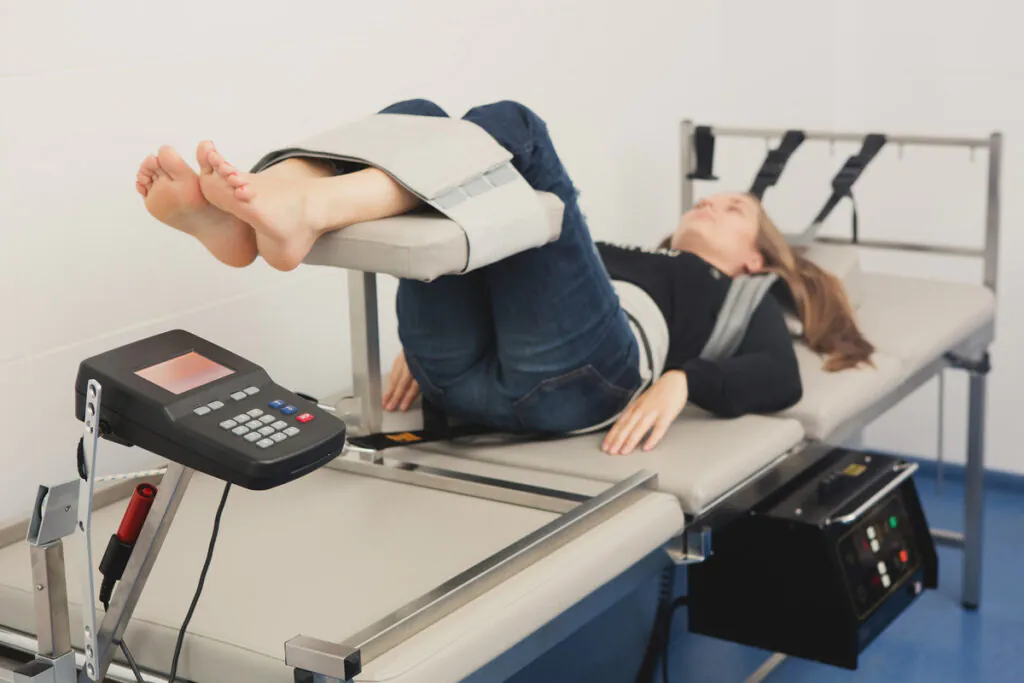
As a local chiropractor, I want to help you understand how exploring chiropractic care can enhance the mindfulness and relaxation techniques you're already using to manage your back pain. Chiropractic care focuses on aligning your spine and optimizing your body's function through natural healing methods. This holistic approach can strengthen your back muscles, improve flexibility, and restore your overall mobility.
One of the primary techniques we use is spinal manipulation, which involves hands-on adjustments to align your spine and relieve pressure on the nervous system. This method can help alleviate pain, enhance mobility, and promote your body's natural ability to heal itself.
Additionally, we often incorporate therapeutic exercises designed to support your spine and enhance your stability, ensuring you have a strong foundation for everyday activities.
Education is a cornerstone of chiropractic care. During your visits, I'll teach you about proper body mechanics and posture, helping you learn how to avoid movements that might worsen your pain. I'll also provide guidance on ergonomics in your workspace and daily life, ensuring you can perform your activities without putting unnecessary strain on your back.
For those experiencing chronic pain, we may incorporate various modalities such as heat therapy, cold therapy, or even ultrasound to reduce inflammation and ease muscle tension. These treatments can complement our adjustments and promote a quicker healing process.
Consistency is vital in chiropractic care. By committing to your treatment plan and attending regular sessions, you can experience significant improvements over time.
Alternative Therapies and Remedies
As a local chiropractor, I want to share with you some effective ways to find relief from back pain that complement traditional treatments. Many of my patients have experienced significant improvements through alternative therapies and remedies, which can enhance your overall well-being.
One of the most effective methods we use in our practice is chiropractic care. This involves spinal adjustments and manipulations aimed at improving alignment, reducing pain, and enhancing mobility. Regular chiropractic sessions can lead to remarkable improvements in your back health, enabling you to move more freely and comfortably.
In addition to chiropractic care, I recommend considering acupuncture as a valuable option. This technique involves the insertion of fine needles at specific points on your body, and many find it helps alleviate pain and promotes relaxation. It's fascinating how interconnected our bodies are, and acupuncture can be a great way to tap into that connection for healing.
Massage therapy is another excellent avenue to explore. Whether you prefer deep tissue, Swedish, or trigger point massage, the benefits are substantial. Massage can relieve muscle tension, improve circulation, and promote relaxation—essential components in managing back pain.
Herbal remedies and supplements can also play a role in your recovery. Ingredients like turmeric, ginger, and willow bark are renowned for their anti-inflammatory properties. However, I always advise consulting with a healthcare professional before introducing new supplements into your regimen to ensure they're safe and suitable for you.
Don't underestimate the power of gentle movement practices like yoga and tai chi. These exercises combine movements with mindful breathing techniques, which can help strengthen your back and improve flexibility. Additionally, they're excellent for reducing stress—an often overlooked contributor to pain.
Lastly, I encourage you to try heat and cold therapy. Applying heat can relax tight muscles, while cold packs can help reduce inflammation. Finding the right combination of these therapies may lead you to the relief you've been seeking.
Conclusion
As your local chiropractor, I want to share some valuable techniques for back pain relief that can truly enhance your quality of life. It's essential to understand that managing back pain involves a holistic approach. By integrating stretching and strengthening exercises into your routine, making ergonomic changes in your workspace, and practicing mindfulness techniques, you're taking significant steps towards pain management.
Exploring physical therapy can also be beneficial, as it provides targeted treatment to alleviate discomfort. Additionally, don't overlook alternative therapies such as acupuncture or massage, which can complement chiropractic care and promote healing.
It's important to remember that everyone's journey is unique, and discovering the right combination of these strategies is key to your personal relief. Stay proactive in your approach, listen to your body's signals, and don't hesitate to reach out for professional guidance. Together, we can work towards a healthier, pain-free future. Your path to relief starts with these effective and natural steps!