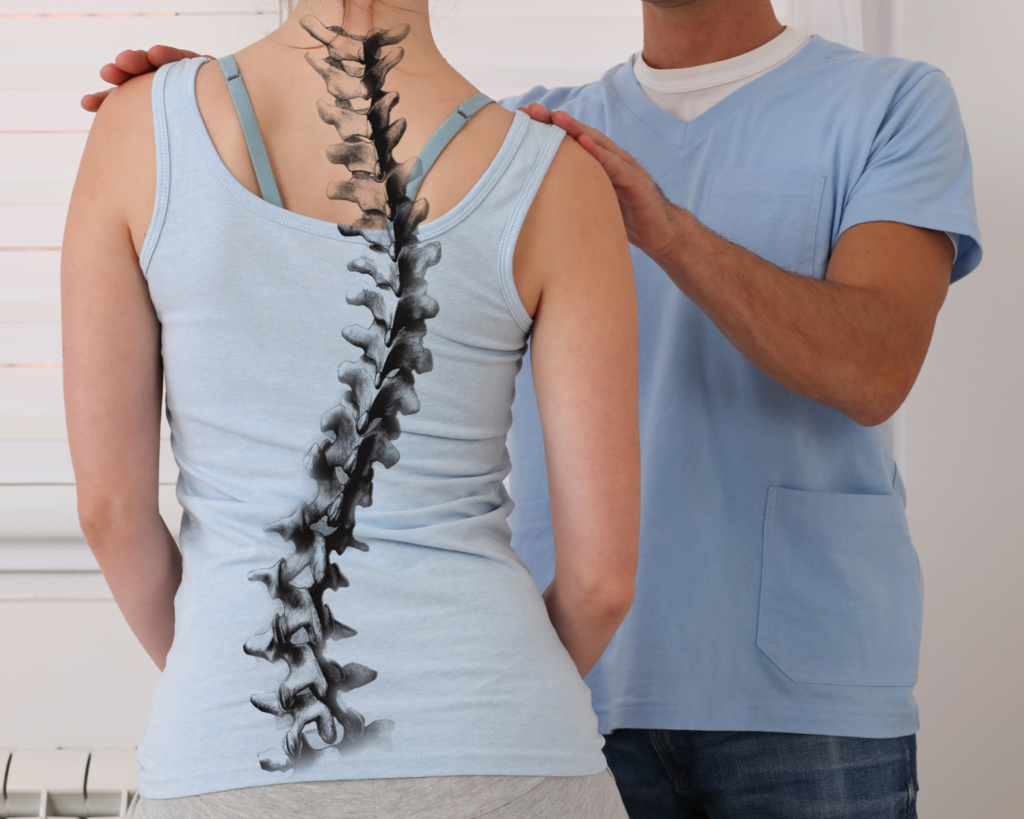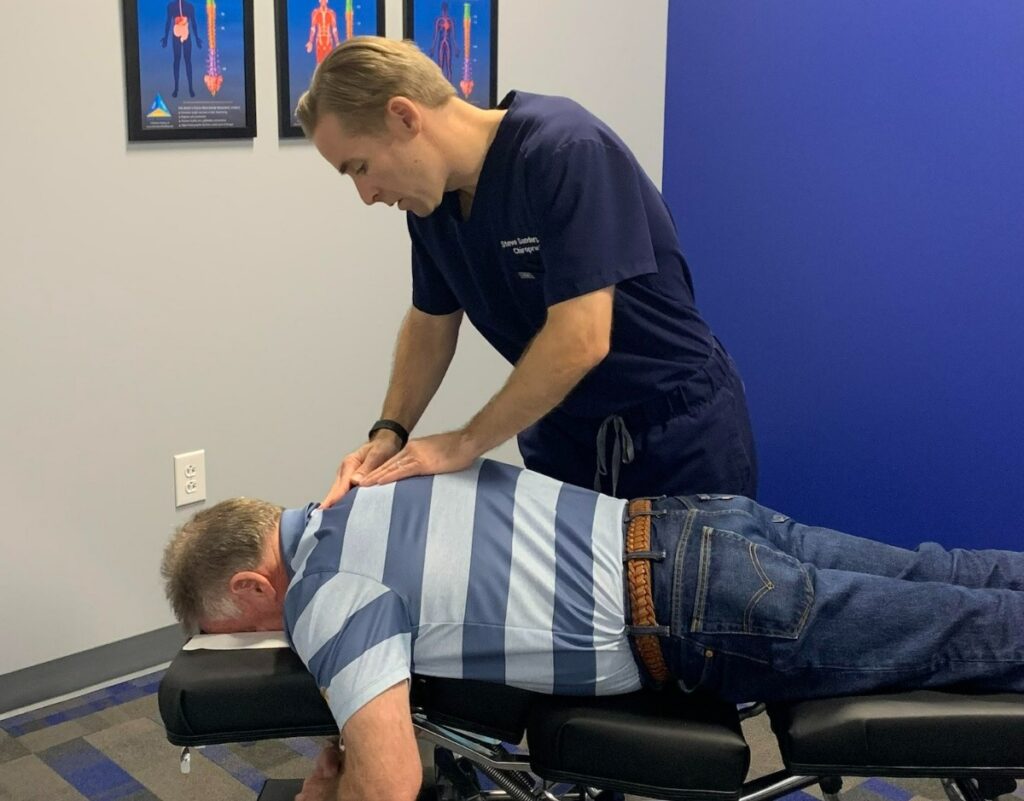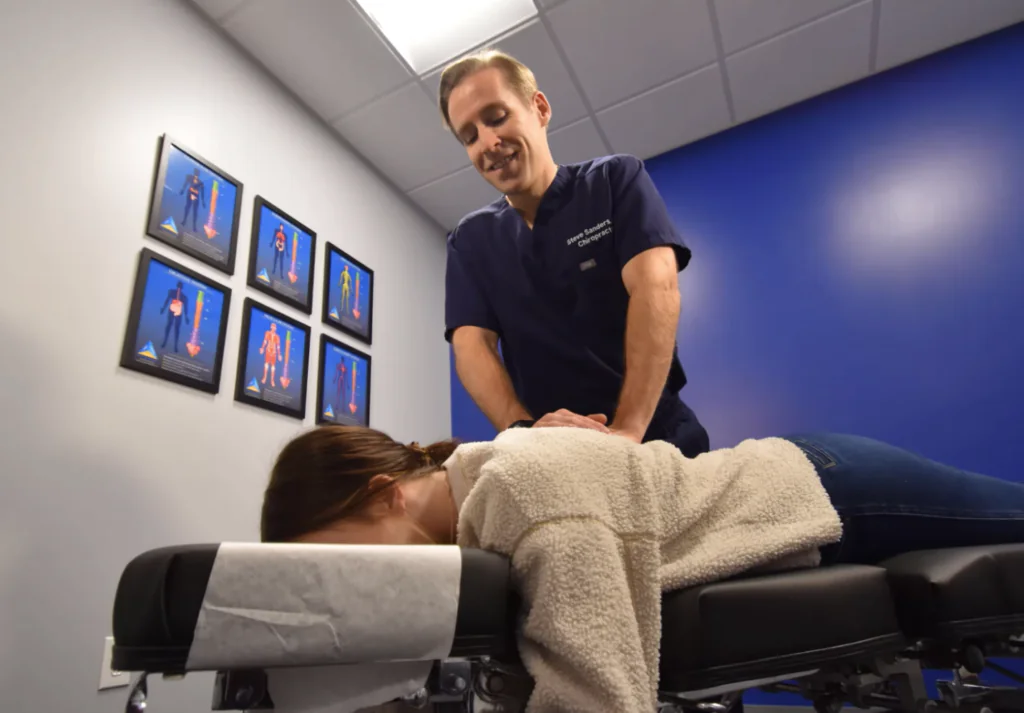
If you're dealing with back pain, I want you to know that you're not alone, and there are natural, effective strategies we can explore together to help alleviate your discomfort. As your local chiropractor, I often see how combining stretching exercises, strengthening workouts, and techniques to improve posture can significantly enhance your daily comfort levels.
In addition to these physical practices, I encourage considering lifestyle modifications and alternative therapies, which can greatly contribute to your overall well-being. You might be wondering which specific techniques could be the most beneficial for you in achieving lasting relief. Let's take a closer look at some practical options that could truly transform your approach to managing back pain and help you feel your best. Together, we can develop a personalized plan that addresses your unique needs and promotes a healthier, pain-free lifestyle.
Stretching Exercises
As a local chiropractor, I want to share with you some effective stretching exercises that can significantly relieve back pain and enhance your flexibility. Incorporating regular stretching into your daily routine can help alleviate muscle tension and improve your overall mobility.
When you experience tightness in your back, it's crucial to address those areas with targeted stretches that promote relaxation and lengthening.
Let's start with a gentle stretch known as the cat-cow pose. This dynamic movement is excellent for warming up your spine and encouraging flexibility. Begin on all fours, arch your back upwards like a cat, and then dip it downwards like a cow. Repeat this movement for several breaths to feel the benefits.
Next, I recommend trying the child's pose to help release tension in your lower back. To do this, sit on your heels, extend your arms forward, and rest your forehead on the ground. Hold this position for as long as you feel comfortable—allowing yourself to relax deeply into the stretch.
Another valuable stretch is the seated forward bend, which targets your hamstrings and lower back. Sit with your legs straight in front of you, and gently reach for your toes while keeping your spine straight. Hold this position for 15-30 seconds, feeling the stretch deepen with each breath.
Lastly, the spinal twist is a fantastic way to improve your back's range of motion. Sit with one leg crossed over the other, and gently twist your torso toward the bent knee. Hold this stretch, and allow your body to benefit from the increased flexibility.
Remember, incorporating these stretches into your routine can be a natural and effective way to support your spinal health and overall well-being.
As always, if you have any questions or concerns, don't hesitate to reach out to me for guidance tailored to your specific needs.
Strengthening Workouts
As your local chiropractor, I want to emphasize the importance of not only stretching for flexibility but also strengthening your back muscles to prevent pain and enhance your stability. Incorporating specific strengthening workouts into your routine can significantly improve your overall back health.
One highly effective exercise I recommend is the bird-dog. To perform this, start on your hands and knees, engage your core, and extend one arm forward while simultaneously extending the opposite leg back. Hold this position for a few seconds, then switch sides. This exercise strengthens your back while also improving your balance and coordination, which are vital for your overall physical health.
Another beneficial exercise is the plank. Begin by lying face down, then lift your body off the ground, supporting yourself on your forearms and toes. Ensure your body forms a straight line from your head to your heels. Aim to hold this position for 20-30 seconds, gradually increasing the duration as your strength improves. Planks activate multiple muscle groups, making them excellent for developing core stability.
I also recommend incorporating bridges into your routine to strengthen your lower back and glutes. To do this, lie on your back with your knees bent and feet flat on the floor. Press through your heels to lift your hips toward the ceiling, holding for a few seconds before lowering back down. This movement is essential for reinforcing the muscles that support your spine.
Lastly, consider adding resistance bands to your workouts. They provide extra support and challenge for exercises like seated rows, which effectively target your upper back.
I suggest aiming for two to three sessions of these strengthening workouts each week. By building a robust foundation for your back, you can manage and prevent pain more effectively, enhancing your overall well-being.
Posture Improvement Techniques
As a chiropractor, I want to emphasize the importance of proper posture for maintaining a healthy spine and preventing back pain. It's crucial to pay attention to your alignment in your daily activities—whether you're sitting at a desk, driving, or simply relaxing while watching TV. Being mindful of your body's position can truly make a difference in your overall well-being.
For those of you who spend long hours at a desk, consider investing in an ergonomic chair that provides support for your lower back. This can help you maintain a healthy posture while you work. Make sure to adjust your chair height so that your feet rest flat on the floor, and your knees form a 90-degree angle.
Positioning your computer screen at eye level is also vital; this will help you avoid unnecessary strain on your neck.
When standing, it's essential to distribute your weight evenly between both feet. Keep your knees slightly bent—avoid locking them to allow for better movement and support. Engaging your core muscles is another key aspect; this helps stabilize your spine and maintain proper alignment.
If you catch yourself slumping, remember to tuck your chin in and pull your shoulders back gently.
Incorporating safe lifting techniques into your daily routine is also critical. Always bend at your hips and knees instead of your back when picking up objects. This method protects your spine and promotes better posture.
Additionally, I encourage you to engage in exercises designed to improve your posture, such as wall angels or shoulder blade squeezes. These exercises can help strengthen your muscles and enhance your alignment over time.
By adopting these posture improvement techniques, you can take proactive steps towards a healthier spine, reducing your risk of pain and discomfort.
Lifestyle Modifications
As your local chiropractor, I want to emphasize the importance of lifestyle modifications for maintaining optimal back health. Many of you may be unaware of how simple changes in your daily habits can make a significant difference in your spine's well-being.
First, let's talk about posture. Good posture is crucial, especially if you find yourself sitting for long periods. If your work involves extended hours at a desk, consider investing in ergonomic furniture, such as a supportive chair or a standing desk. These tools can help alleviate unnecessary strain on your back, allowing you to work or relax more comfortably.
Incorporating regular physical activity into your routine is another essential aspect of back health. Low-impact exercises—like walking, swimming, or cycling—can strengthen your core muscles, which play a vital role in supporting your spine. Aim for at least 30 minutes of moderate exercise most days, and don't overlook the importance of stretching. Stretching not only enhances your flexibility but also helps relieve tension in your back, promoting overall comfort.
Your footwear choices may also be impacting your back health. Supportive shoes can significantly improve your spinal alignment, especially if you're on your feet for long durations. I recommend steering clear of high heels and unsupportive sandals, as these can disrupt your balance and posture, potentially leading to discomfort.
Moreover, it's crucial to monitor your weight. Carrying excess weight can place additional stress on your spine, which may contribute to back pain. Focus on maintaining a balanced diet that includes plenty of fruits, vegetables, lean proteins, and whole grains to support your overall health and keep your weight in check.
Lastly, don't underestimate the importance of quality sleep. Ensure that your mattress provides the necessary support for your body and consider sleeping on your side with a pillow between your knees for optimal spinal alignment.
Alternative Therapies
As a local chiropractor, I want to share with you the incredible benefits of exploring alternative therapies for back pain relief. Many patients come to me after trying traditional methods that haven't provided the relief they need, and I'm excited to introduce them to effective, natural options.
One of the key treatments I offer is chiropractic care. This approach focuses on spinal alignment, which is vital for reducing nerve pressure and alleviating pain. By performing regular adjustments, I can help improve your overall mobility and promote long-term wellness. If you haven't experienced chiropractic care yet, I encourage you to consider it as a valuable part of your pain management journey.
In addition to chiropractic adjustments, I often recommend massage therapy to my patients. This can be an excellent way to relieve tension in your back. Whether you prefer the intensity of deep tissue massage or a gentler approach, therapeutic massage can significantly reduce muscle tightness and enhance blood circulation, leaving you feeling more relaxed and comfortable.
Another natural option to consider is incorporating herbal remedies like turmeric and ginger into your diet. These herbs are known for their anti-inflammatory properties and can be beneficial in managing pain.
Alongside these remedies, practices like yoga and tai chi can help you build strength, increase flexibility, and promote relaxation—all of which are essential in managing back pain.
Lastly, I find that techniques such as guided imagery and meditation can play a significant role in pain relief. These practices help to calm the mind and reduce stress, which can often exacerbate your discomfort.
By exploring these alternative therapies, you're not just seeking quick fixes; you're taking a holistic approach to your back pain management.
I'm here to support you on this journey to better health and well-being. Let's work together to find the best solutions tailored to your needs!
Conclusion
As a local chiropractor, I want to share some valuable techniques that can help you relieve back pain and enhance your overall well-being. Integrating regular stretching and strengthening exercises into your daily routine is essential. Additionally, improving your posture and adopting healthier lifestyle habits can significantly contribute to your back health.
I encourage you to explore alternative therapies, such as chiropractic adjustments, which can complement your efforts in managing pain. Remember, consistency is crucial. By making these practices a regular part of your life, you're likely to experience lasting improvements in your back health. If you have any questions or would like to learn more about how chiropractic care can support your journey, don't hesitate to reach out!