Managing chronic pain can feel overwhelming, but you're not alone in seeking effective solutions. Exploring trustworthy techniques like mindfulness practices, physical therapy, and alternative therapies can greatly impact your quality of life. You might find that incorporating simple lifestyle changes, such as nutrition and exercise, can also play a vital role in your pain management journey. As you consider these options, it's important to understand how each approach uniquely contributes to relief and well-being. Curious about which method could work best for you?
Understanding Chronic Pain
Chronic pain can feel overwhelming, especially when it lingers long after an injury has healed. You might find yourself questioning why the pain persists, and it's important to understand that chronic pain isn't just a symptom; it's a complex condition that can affect your physical, emotional, and mental well-being.
Unlike acute pain, which serves a protective function, chronic pain often signals an ongoing issue that may not have a clear cause.
When you experience chronic pain, your nervous system can become sensitized, amplifying pain signals even in the absence of injury. This heightened sensitivity can create a cycle of discomfort, leading to frustration and stress. You might notice that certain activities or emotional states can trigger or worsen your pain, making it vital to recognize your body's responses.
Understanding chronic pain also involves acknowledging its impact on your daily life. You may find that it affects your ability to work, engage in social activities, or even enjoy hobbies.
It's essential to communicate openly with your healthcare provider about your experiences, as they can help tailor a management plan that addresses both your physical and emotional needs.
Mindfulness and Meditation
Mindfulness and meditation can be powerful tools in managing chronic pain. By focusing your attention and practicing breathing exercises, you can create a sense of calm and relief.
Let's explore the benefits of mindfulness practice and some guided techniques to help you along the way.
Benefits of Mindfulness Practice
Many people find that incorporating mindfulness practices into their daily routine can significantly enhance their overall well-being. When you engage in mindfulness, you create a space to observe your thoughts, feelings, and sensations without judgment. This practice helps you develop a greater awareness of your body, allowing you to better understand the signals it sends, especially regarding pain.
With regular mindfulness practice, you may notice a reduction in stress and anxiety, which often exacerbates chronic pain. By grounding yourself in the present moment, you can shift your focus away from discomfort and cultivate a sense of calm. This shift not only helps in managing pain but can also improve your emotional resilience.
Additionally, mindfulness can enhance your ability to cope with challenging situations. As you become more aware of your reactions, you gain the tools to respond rather than react impulsively. This can lead to better decision-making and improved relationships, all of which contribute to a higher quality of life.
Ultimately, integrating mindfulness into your daily routine may empower you to take control of your pain and foster a more balanced, fulfilling existence.
Guided Meditation Techniques
Some individuals find guided meditation techniques particularly effective for managing chronic pain and cultivating a sense of peace. These techniques often involve listening to a facilitator's voice guiding you through calming imagery, body scans, or relaxation exercises. You don't need to be an expert; simply follow along and let the instructions lead you.
To get started, find a comfortable and quiet space where you won't be disturbed. You can use apps or online resources that offer guided sessions tailored to pain management. As you immerse yourself in the experience, focus on the facilitator's words and allow your mind to drift away from your pain. This can help create a mental distance from discomfort.
Incorporating these sessions into your daily routine can greatly enhance your ability to cope with chronic pain. Aim for short sessions at first, gradually increasing the duration as you become more comfortable.
Breathing Exercises for Relief
Incorporating breathing exercises into your routine can be a powerful way to alleviate chronic pain while enhancing mindfulness. By focusing on your breath, you create a connection between your mind and body, helping to reduce tension and stress.
Start by finding a comfortable position, either sitting or lying down. Close your eyes and take a slow, deep breath in through your nose, allowing your abdomen to expand. Hold this breath for a moment, then exhale slowly through your mouth. Repeat this process for several minutes.
As you breathe, visualize your pain dissolving with each exhale. This technique not only helps in managing pain but also promotes relaxation and mental clarity.
You can also try the 4-7-8 technique: inhale for a count of four, hold for seven, and exhale for eight. This rhythmic pattern enhances oxygen flow and calms your nervous system.
Incorporating these breathing exercises daily can greatly improve your overall well-being. Remember, consistency is key.
Whenever pain flares up, take a moment to pause and breathe. You'll find that this simple practice can empower you to regain control over your body and mind.
Physical Therapy Approaches
When managing chronic pain, physical therapy can be a game changer.
You'll find that manual therapy techniques can help relieve tension, while exercise prescription strategies boost your strength and flexibility.
Together, these approaches can empower you to regain control over your body and enhance your quality of life.
Manual Therapy Techniques
Manual therapy techniques play a crucial role in managing chronic pain, offering hands-on approaches that can greatly improve mobility and reduce discomfort. These techniques include various methods such as manual stretching, joint mobilization, and soft tissue manipulation. When you engage in these therapies, a trained physical therapist uses their hands to assess and treat your specific pain issues.
You'll find that manual therapy can help alleviate muscle tension and restore range of motion. By applying targeted pressure and movement to stiff joints and tight muscles, these techniques promote blood circulation and enhance the body's natural healing processes. You might also notice a decrease in pain levels after a session, allowing you to enjoy daily activities with greater ease.
Incorporating manual therapy into your pain management plan can also be beneficial for addressing underlying issues contributing to your discomfort. It's important to communicate openly with your therapist about your symptoms and goals, so they can tailor the techniques to your needs.
Exercise Prescription Strategies
Building on the benefits of manual therapy, exercise prescription strategies are another vital element in managing chronic pain effectively. When you engage in tailored exercise routines, you not only strengthen muscles but also improve flexibility and enhance overall function.
It's essential to work with a physical therapist to develop a program that addresses your specific needs and limitations. Start with low-impact activities like swimming or cycling, which minimize stress on your joints. Gradually increase intensity and duration as your body adapts.
Incorporate strength training to build endurance and stability, focusing on core exercises that support your spine and reduce pain. Don't underestimate the power of consistency; aim for regular, short sessions rather than infrequent, lengthy workouts.
Remember to listen to your body—if something doesn't feel right, modify the activity or consult your therapist. Incorporating stretching and relaxation techniques can also help alleviate tension.
Alternative Therapies
Alternative therapies offer an invigorating approach to managing chronic pain, often complementing traditional medical treatments. These therapies can provide you with new tools to alleviate discomfort and enhance your overall well-being.
From acupuncture and chiropractic care to massage therapy and biofeedback, each method presents unique benefits.
Acupuncture, for instance, involves inserting fine needles into specific points on your body. This technique can stimulate your nervous system and promote pain relief. Many people find that regular acupuncture sessions lead to significant reductions in their pain levels.
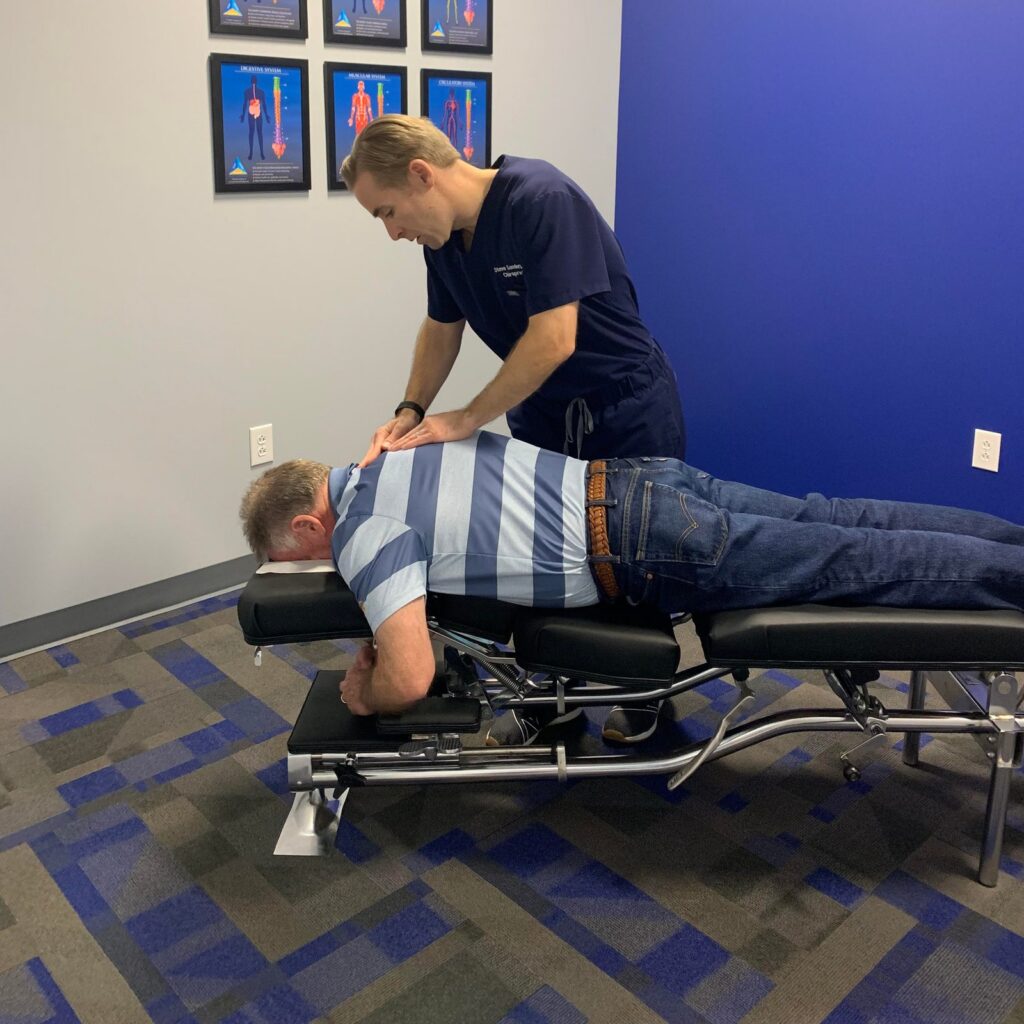
Chiropractic care focuses on the alignment of your spine and musculoskeletal system. By adjusting your spine, chiropractors can help relieve tension and improve mobility, making it easier for you to manage chronic pain.
Massage therapy is another excellent alternative. It not only soothes sore muscles but also promotes relaxation and reduces stress. Regular massages can help you feel more in control of your pain and improve your quality of life.
Biofeedback teaches you to control physiological functions through relaxation techniques. By learning to manage your body's responses, you can reduce pain and improve your coping mechanisms.
Before starting any alternative therapy, it's important to consult with your healthcare provider. They can help you determine which therapies might be most effective for your specific condition.
Nutrition and Chronic Pain
Nutrition plays a significant role in managing chronic pain, complementing the benefits gained from therapies like acupuncture and massage. What you eat can directly affect inflammation levels in your body, which is often a key contributor to chronic pain. By choosing the right foods, you can help reduce inflammation and promote overall health.
Incorporate anti-inflammatory foods into your diet, such as fruits, vegetables, whole grains, nuts, and fatty fish. Foods rich in omega-3 fatty acids, like salmon and walnuts, can help decrease inflammation. Similarly, colorful fruits and vegetables offer antioxidants that combat oxidative stress, another factor that can exacerbate pain.
You should also be mindful of what to avoid. Processed foods high in sugar, refined carbohydrates, and unhealthy fats can lead to increased inflammation and contribute to pain. Eliminating or reducing these foods from your diet can make a significant difference in how you feel.
Don't underestimate the power of hydration, either. Drinking enough water helps maintain joint lubrication and can alleviate pain. Aim for at least eight glasses a day, or more if you're active.
Consider keeping a food diary to track what you eat and how it affects your pain levels. This can help you identify specific foods that may trigger or worsen your symptoms.
Exercise and Movement
Incorporating regular exercise into your routine can be a game-changer for managing chronic pain. You might think that moving more will worsen your discomfort, but the right type of exercise can actually help alleviate it. Engaging in physical activity strengthens your muscles, improves flexibility, and boosts your overall endurance. This, in turn, can reduce the intensity of your pain and enhance your quality of life.
Start by choosing low-impact activities that are easier on your joints and body. Walking, swimming, or cycling can be excellent choices. These activities not only keep you active but also help increase blood circulation, which aids in healing and reducing inflammation. Aim for at least 150 minutes of moderate aerobic exercise each week, breaking it down into manageable sessions that fit your schedule.
Don't forget to include strength training as well. Incorporating exercises that target major muscle groups twice a week can provide significant benefits. Resistance bands and light weights are great tools to help build muscle without putting too much strain on your body.
Listen to your body and modify your routine as needed. It's crucial to find a balance that works for you. If you experience increased pain, consider adjusting the intensity or duration of your workouts.
Support Networks and Resources
When managing chronic pain, tapping into support networks and resources can make a significant difference in your journey. You don't have to face this challenge alone. Connecting with others who understand what you're going through can provide not only emotional support but also practical advice and coping strategies.
Consider joining a support group, either in-person or online. These groups offer a safe space where you can share experiences, learn from others, and feel understood. Many people find that discussing their struggles with chronic pain in a supportive environment helps alleviate feelings of isolation and frustration.
Additionally, don't hesitate to reach out to healthcare professionals. Your doctor, physical therapist, or pain specialist can guide you to resources tailored to your needs. They often have recommendations for local support groups, educational materials, and workshops that can enhance your understanding and management of chronic pain.
You might also explore online resources, such as forums and blogs dedicated to chronic pain. These platforms can provide valuable insights and tips from people living similar experiences. Social media can also be a useful tool for connecting with others and discovering new strategies.
Don't forget about family and friends. They can be essential in your support network. Open up to them about your pain and how they can help.
Conclusion
Incorporating these trustworthy techniques into your daily routine can greatly ease chronic pain and enhance your overall well-being. By practicing mindfulness, engaging in physical therapy, exploring alternative therapies, maintaining a nutritious diet, and staying active, you empower yourself to take control of your pain. Don't underestimate the importance of support networks; they can provide encouragement and guidance on your journey. Remember, you're not alone, and with the right tools, you can manage your chronic pain effectively.