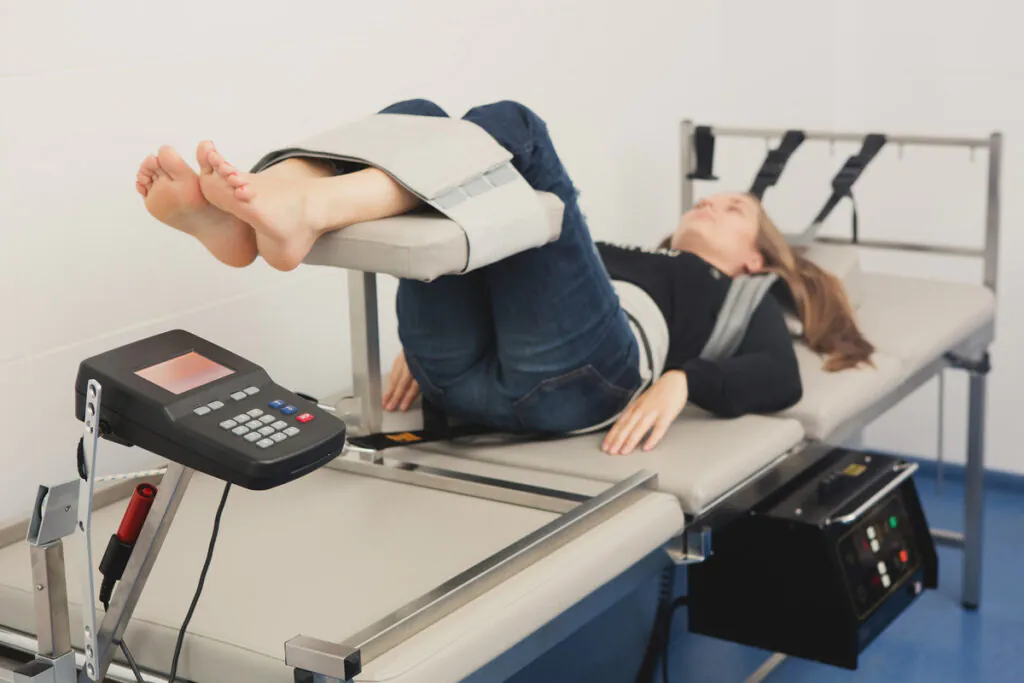
As your local chiropractor, I want to assure you that if you're dealing with upper back pain, you're not alone. Many people experience this discomfort, often stemming from a variety of factors that you may not even be aware of. It's crucial to understand the common causes, such as poor posture and certain lifestyle choices, as these can significantly impact your well-being.
Through my practice, I've seen how practical solutions like targeted stretching techniques and ergonomic adjustments to your daily routine can lead to substantial improvements. Additionally, I want to highlight the importance of professional treatment options, including chiropractic care, which can be instrumental in your recovery journey.
By taking a holistic approach to your upper back pain, we can work together to address the underlying issues and help you regain control over your discomfort. My goal is to empower you with the knowledge and tools needed to enhance your quality of life naturally. Let's embark on this journey to better health together!
Understanding Upper Back Pain
As a local chiropractor, I want to help you understand upper back pain and its potential causes. This type of discomfort often arises from muscle strain, poor posture, or overuse, but it can also signify underlying issues that may need attention. Recognizing the signs and symptoms of your pain is essential in determining whether it's something you can manage at home or if professional guidance is necessary.
Upper back pain can take various forms, such as a dull ache, sharp pain, or stiffness. You might find that the discomfort intensifies during specific activities, like sitting at a desk for long hours or lifting heavy objects. It's crucial to pay attention to these patterns, as they can help you identify triggers and develop effective strategies for relief.
Moreover, it's important to understand how upper back pain can impact your daily life. It may limit your mobility, disrupt your sleep, and even affect your mood. When pain becomes a consistent presence, feelings of frustration and overwhelm can set in. Being aware of these implications can motivate you to take proactive steps towards finding relief.
As your chiropractor, I emphasize the significance of body awareness. By paying close attention to your body's signals, you can learn when pain occurs and what factors may exacerbate it. This insight empowers you to make informed choices about your health and well-being.
Through understanding your upper back pain, you can take meaningful steps towards effective relief and enhance your overall quality of life. Remember, chiropractic care can offer natural healing solutions tailored to your specific needs. I'm here to guide you on your journey to recovery.
Common Causes and Risk Factors
As a local chiropractor, I want to help you understand that your upper back pain may often be linked to poor posture habits or a sedentary lifestyle.
Many of us tend to slouch at our desks or spend extended periods lounging on the couch, which can place unnecessary strain on your back.
Recognizing these common causes is a crucial first step towards alleviating your discomfort and achieving better spinal health.
Poor Posture Habits
As a local chiropractor, I often see patients who are unaware of how poor posture habits can be the hidden cause of their upper back pain. You mightn't realize it, but the way you sit, stand, or even move throughout your day can lead to discomfort and strain in your upper back.
These habits can sneak up on you during everyday activities, and if left unaddressed, they may lead to chronic pain.
Let's take a moment to consider some common visual cues that may indicate poor posture:
- Slouching over your phone, with your head tilted down and shoulders rounded
- Hunching over your desk, causing your spine to curve and your neck to crane forward
- Leaning to one side while sitting or standing, which can create muscle imbalances
- Carrying heavy bags on one shoulder, leading to uneven tension in your back
These habits can cause muscle fatigue and misalignment, ultimately resulting in lasting pain.
It's essential to be mindful of your posture throughout the day. Simple adjustments, such as sitting up straight or investing in ergonomic furniture, can significantly improve your posture. By addressing these habits, you can relieve strain on your upper back and enhance your overall spine health.
Sedentary Lifestyle Effects
As a local chiropractor, I frequently see patients suffering from upper back pain, and one of the key contributors to this discomfort is a sedentary lifestyle. When you spend long hours sitting at a desk or lounging on the couch, your back muscles can become weak and your spinal alignment can be disrupted.
This inactivity leads to stiffness and fatigue in your muscles, and it decreases circulation. As a result, your muscles and spine may not receive the essential nutrients they need to remain healthy and function properly.
Additionally, a lack of physical activity can weaken your core muscles—the very ones that provide support for your spine. This weakness can create an imbalance, often resulting in poor posture. If you find yourself hunched over a computer or phone for extended periods, it's no surprise that you might start to experience discomfort in your upper back.
Another important factor to consider is the impact of stress on your body. Prolonged sitting can lead to muscle tension, which often manifests as pain in the upper back. This is why it's crucial to break the cycle of inactivity.
I encourage you to incorporate regular movement into your daily routine. Simple activities like stretching or taking short walks can significantly counteract the negative effects of a sedentary lifestyle.
Effective Stretching Techniques
As a local chiropractor, I want to emphasize the importance of stretching for alleviating upper back pain and enhancing your overall flexibility.
Incorporating targeted exercises into your daily routine can significantly help relieve tension in specific areas and promote improved posture.
Let's dive into some effective stretching techniques and essential tips to ensure you stretch safely and effectively.
Importance of Stretching
As a local chiropractor, I want to emphasize the significant role that effective stretching techniques can play in alleviating upper back pain. Many people may not realize that stretching isn't just about flexibility; it also enhances circulation, which is crucial for the healing process.
When you incorporate stretching into your daily routine, you help release tension in your muscles, allowing them to relax and recover. This is particularly important for those who experience stiffness from prolonged sitting or poor posture.
Let me share some of the key benefits of regular stretching that can assist your healing journey:
- Increased blood flow: By improving circulation, stretching ensures that essential nutrients reach your muscles and joints, facilitating quicker recovery.
- Enhanced mobility: With greater flexibility, you'll find it easier to move without straining your upper back, which can help prevent pain.
- Stress relief: Stretching can significantly lower cortisol levels, helping you feel more relaxed and reducing overall tension in your body.
- Improved posture: Engaging in regular stretching strengthens important muscle groups, promoting better alignment and lowering your risk of pain.
Incorporating these techniques can lead to a more comfortable and pain-free life, and I encourage you to consider them as part of your overall wellness strategy.
If you have any questions or would like personalized guidance on stretching for your specific needs, feel free to reach out.
Recommended Stretching Exercises
As a local chiropractor, I often see patients struggling with upper back pain, and I want to share some effective stretching exercises that can help alleviate discomfort and improve your overall well-being. Incorporating these stretches into your routine can make a significant difference.
Let's start with the Cat-Cow stretch. Begin by positioning yourself on all fours. As you arch your back upward like a cat, engage your core, and then gently dip your spine down while lifting your head and tailbone. This dynamic movement helps to mobilize your spine and relieve tension in your back.
Next, I recommend the Child's Pose. Kneel on the floor and sit back on your heels. Extend your arms forward, resting them on the ground. You should feel a soothing stretch in your upper back and shoulders. Holding this position for about 30 seconds can provide a deep release.
Another fantastic stretch is the doorway stretch. Stand in a doorway and place your arms on the frame at shoulder height. Slowly lean forward, allowing your chest and shoulders to open up. You should feel a pleasant stretch across your chest and shoulders, which can help counteract the tightness often associated with upper back discomfort.
Finally, consider incorporating the seated twist into your regimen. Sit comfortably on the floor with your legs crossed. Place your right hand on your left knee, and gently twist your torso to the left. This movement not only increases spinal mobility but also helps to release built-up tension in your upper back.
Aim to hold each stretch for 20-30 seconds and repeat them several times a week for optimal results.
Tips for Safe Stretching
As a local chiropractor, I want to emphasize the importance of safe stretching practices to help you enhance your flexibility and prevent injuries. Stretching can be a valuable part of your wellness routine, and understanding how to do it safely can maximize its benefits.
Here are some essential tips to keep in mind during your stretching sessions:
- Warm Up First: Before you dive into stretching, it's crucial to warm up your body. Spend about 5-10 minutes engaging in light activities, such as walking or cycling. This increases blood flow to your muscles and prepares them for the stretches ahead.
- Listen to Your Body: Your body is your best guide. During each stretch, pay close attention to how you feel. If you encounter sharp pain, it's a sign to ease off. Remember, stretching should be a comfortable experience, not a painful one.
- Hold, Don't Bounce: When stretching, avoid bouncing movements. Instead, hold each stretch for 15-30 seconds. This method helps improve flexibility effectively while minimizing the risk of injury.
- Use Proper Form: Maintaining good posture is key while stretching. Keep your back straight and be mindful not to overextend any part of your body, as this can lead to strains and discomfort.
By following these guidelines, you can safely incorporate stretching into your routine, enhancing your overall well-being while reducing the risk of injury.
Ergonomic Adjustments for Relief
As a local chiropractor, I often see patients suffering from upper back pain due to poor workspace ergonomics. It's crucial to understand that making a few simple adjustments in your work environment can significantly improve your comfort and overall spinal health.
Let's start with your chair. It's essential that your chair provides adequate support for your lower back to help your spine maintain its natural curve. If your chair doesn't offer lumbar support, consider using a cushion or a rolled towel to fill that gap. This small adjustment can make a big difference in how your back feels throughout the day.
Next, let's talk about the height of your desk. When you're seated, your elbows should form a 90-degree angle, and your hands should rest comfortably on the keyboard. If your desk is too high or too low, it can lead to strain in your upper back and shoulders. If you have the option, a sit-stand desk can be a great investment, allowing you to alternate between sitting and standing, which can alleviate tension in your back.
Screen height is another critical factor to consider. Your monitor should be at eye level to avoid straining your neck or hunching over. Ideally, keep your screen about an arm's length away from your eyes. For those using laptops, a laptop stand can help elevate the screen to the appropriate height.
Don't underestimate the importance of foot placement! Keeping your feet flat on the ground or on a footrest promotes proper posture. This positioning helps distribute your weight evenly and reduces unnecessary pressure on your back.
Lastly, I can't stress enough the importance of taking regular breaks. Stand up, stretch, and move around at least once an hour. This practice keeps your muscles engaged and helps prevent stiffness.
Lifestyle Changes for Prevention
As your local chiropractor, I want to share some valuable insights on how simple lifestyle changes can significantly decrease your risk of upper back pain. By making minor adjustments to your daily habits, you can't only strengthen your back but also enhance your overall health and well-being.
Here are some effective strategies to consider:
- Stay Active: Engaging in regular physical activities such as walking or swimming can do wonders for your back. These exercises help keep your muscles strong and flexible, which in turn reduces tension in your upper back.
- Practice Good Posture: It's essential to be mindful of your posture, whether you're sitting at your desk or standing. By maintaining proper posture, you can evenly distribute weight across your spine, which helps prevent unnecessary strain on your back.
- Mind Your Sleep: A supportive mattress and pillow are key to a restful night's sleep. Finding a comfortable sleeping position can significantly alleviate back discomfort and promote healing.
- Manage Stress: High levels of stress can lead to muscle tension, which may exacerbate back pain. Consider incorporating relaxation techniques into your routine, such as yoga or meditation, to help keep your stress levels in check.
By implementing these strategies, you can take proactive steps towards a healthier back and a more vibrant life.
Professional Treatment Options
As a local chiropractor, I understand that exploring professional treatment options can be a vital step in finding relief from upper back pain, particularly when lifestyle changes alone aren't sufficient.
If you're experiencing discomfort despite your best efforts, it's important to consult with a healthcare professional who can guide you on your path to recovery.
Chiropractic care is one effective route many patients choose. Through hands-on spinal manipulation, I help align your spine and alleviate pressure on nerves, which can lead to significant relief.
Many of my patients report feeling much better after just a few sessions, as we work together to address the root cause of their pain.
In addition to chiropractic adjustments, I often recommend complementary therapies such as physical therapy.
Collaborating with a physical therapist can provide you with a tailored exercise program designed to strengthen your muscles and improve your posture, both of which are critical in managing upper back pain.
If pain persists, I may suggest discussing medication options with your primary care physician.
Nonsteroidal anti-inflammatory drugs (NSAIDs) can help reduce inflammation and alleviate pain, while muscle relaxants may ease tightness in your upper back.
In certain cases, corticosteroid injections can be beneficial for reducing swelling directly at the source of discomfort.
For those dealing with severe or chronic cases, alternative therapies like acupuncture or massage therapy can also provide relief.
These holistic approaches target tight muscles and promote blood circulation, supporting your body's natural healing process.
Finally, if conservative treatments don't yield the desired results, we can discuss the possibility of surgical options with a specialist.
While surgery is generally considered a last resort, it may be necessary for specific underlying conditions.
As your chiropractor, my goal is to empower you with knowledge and support you in exploring all available avenues for healing.
Together, we can find the right treatment plan for your unique situation.
Conclusion
As a local chiropractor, I want to help you understand that addressing upper back pain involves recognizing its underlying causes and taking proactive measures to alleviate discomfort. It's essential to identify your specific triggers and incorporate effective stretches into your daily routine. Making ergonomic adjustments in your workspace and daily activities can also play a significant role in reducing pain.
Embracing lifestyle changes, such as staying active and maintaining a healthy posture, is crucial for your overall back health. In some cases, seeking professional treatments, such as chiropractic care, can provide additional support and relief. By prioritizing your back health, you not only enhance your overall well-being but also empower yourself to lead an active, pain-free life. If you're ready to take the first step towards relief, I encourage you to explore the benefits of chiropractic care and start your journey today!