You've probably felt the frustration that comes with neck pain, and you might think surgery is your only option. Fortunately, there are numerous non-surgical solutions that can help you regain your comfort and mobility. From physical therapy to alternative therapies, each approach offers unique benefits without the risks of invasive procedures. But how do you know which method is right for you? Exploring the various treatments can lead you to the relief you seek, and understanding the right combination might just transform your neck health.
Understanding Neck Pain
Neck pain can be a frustrating experience that affects your daily life and overall well-being. Understanding the root causes of your discomfort is essential for finding effective solutions.
Often, neck pain stems from poor posture, especially if you spend long hours hunched over a computer or looking down at your phone. This strain can lead to muscle tension, stiffness, and even headaches.
You might also experience neck pain due to injuries, such as whiplash from a car accident or sports-related trauma. These injuries can create inflammation and restrict your range of motion.
Additionally, degenerative conditions like arthritis or herniated discs can contribute to chronic pain, as they affect the structure and function of the cervical spine.
Another culprit could be stress. When you're under pressure, you may unconsciously tense your neck and shoulder muscles, which can lead to persistent discomfort. If you've noticed that your neck pain worsens during stressful times, it's worth considering relaxation techniques to help alleviate the tension.
Lastly, age plays a role in neck pain. As you get older, the wear and tear on your spine can result in discomfort.
Benefits of Non-Surgical Treatments
Exploring non-surgical treatments for neck pain can offer you significant relief without the risks associated with surgery. These methods often focus on alleviating pain, improving mobility, and enhancing overall well-being.
One major benefit is the reduced recovery time. Unlike surgery, which can require weeks or even months of rehabilitation, non-surgical approaches typically allow you to resume daily activities almost immediately.
Cost is another significant factor. Non-surgical treatments are generally more affordable than surgical options. This financial relief can make exploring various therapies more accessible, ensuring you don't have to sacrifice quality care for your budget.
Additionally, non-surgical treatments often involve a more holistic approach. Techniques such as chiropractic care, acupuncture, and massage therapy target the root causes of your neck pain.
These methods can lead to long-lasting improvements rather than just temporary relief. You'll likely find that addressing underlying issues may prevent future pain, promoting better overall health.
Moreover, non-surgical options empower you with more control over your treatment. You can actively participate in your healing journey, making informed decisions about what works best for you.
This autonomy can boost your confidence and lead to more effective management of your neck pain.
Ultimately, non-surgical treatments present a safer, more cost-effective, and empowering way to tackle neck pain. By exploring these options, you're taking a proactive step toward reclaiming your comfort and quality of life.
Physical Therapy Techniques
Physical therapy techniques can greatly alleviate neck pain and improve mobility. When you engage in physical therapy, a trained therapist assesses your condition and tailors a program specifically for you. This personalized approach guarantees that you're targeting the root causes of your pain.
Manual therapy is one of the key techniques used in physical therapy. Your therapist may use their hands to manipulate and mobilize the joints and soft tissues in your neck. This hands-on treatment can help reduce stiffness, enhance circulation, and promote healing.
Another effective technique is the application of modalities, such as heat or cold therapy. Heat can relax tight muscles and increase blood flow, while cold therapy can reduce inflammation and numb sharp pain. Your therapist will determine which modality is best suited for your specific symptoms.
You might also benefit from postural training. Poor posture can contribute heavily to neck pain, and a physical therapist can help you identify and correct any habits that may be aggravating your condition. They'll teach you proper body mechanics to use during daily activities, which can prevent further injury.
Finally, your therapist may incorporate techniques like electrical stimulation or ultrasound therapy to facilitate healing and reduce pain. These methods can work alongside your physical therapy sessions to enhance your recovery.
Stretching and Strengthening Exercises
To relieve neck pain, incorporating stretching and strengthening exercises into your routine is vital.
You'll find that essential neck stretches can enhance flexibility, while strengthening your upper back supports better posture.
Let's explore some effective exercises and daily routine tips to keep your neck healthy and pain-free.
Essential Neck Stretches
Neck stretches are essential for relieving tension and improving flexibility in a commonly strained area of the body. Incorporating these stretches into your daily routine can greatly reduce discomfort.
Start with the neck tilt: gently tilt your head to one side, bringing your ear toward your shoulder. Hold for 15-30 seconds, then switch sides.
Next, try the chin tuck. Sit or stand up straight and gently pull your chin back, elongating your neck. Hold this position for 5 seconds and repeat 10 times. This stretch helps improve your posture and alleviate strain.
For a deeper stretch, use the neck rotation. Slowly turn your head to one side, looking over your shoulder. Hold for 15-30 seconds, then repeat on the other side.
Lastly, the shoulder shrug can relieve built-up tension. Raise your shoulders toward your ears, hold for a few seconds, then release. Do this 10 times.
Strengthening Upper Back
Strengthening your upper back is essential for maintaining good posture and preventing neck pain. When your upper back muscles are strong, they help support your spine, reducing the strain on your neck.
Start by incorporating exercises like rows and reverse flys into your routine. For rows, grab a resistance band or dumbbells, hinge at your hips, and pull the weights towards your chest, squeezing your shoulder blades together. Aim for 3 sets of 10-15 repetitions.
Next, try reverse flys. Stand or sit with a slight bend at your waist, holding weights in each hand. With a slight bend in your elbows, raise your arms out to the sides until they're parallel to the ground. This targets your rear deltoids and upper back, promoting balance in your shoulder muscles.
Don't forget about wall angels. Stand against a wall, with your arms raised in a "W" position. Slowly slide your arms upward to form a "Y," keeping your back against the wall. This exercise improves mobility and strengthens the upper back.
Incorporate these exercises into your routine at least twice a week, and you'll notice improved posture and reduced neck pain.
Daily Routine Tips
Incorporating daily stretching and strengthening exercises into your routine can greatly alleviate neck pain and improve overall neck health. Start your day with simple neck stretches. Gently tilt your head from side to side, holding each position for about 15 seconds. This helps increase flexibility and reduces tension.
Next, focus on strengthening exercises. Try shoulder shrugs by lifting your shoulders towards your ears and then relaxing them down. Repeat this 10-15 times.
Another effective exercise is the chin tuck. While sitting or standing, pull your chin back towards your neck, feeling the stretch across the back of your skull. Hold for 5 seconds and repeat 10 times.
Additionally, consider integrating these exercises into your breaks during the day. If you work at a desk, take a minute every hour to do a few stretches.
Keep your posture in check; sitting up straight helps reduce strain on your neck.
Finally, remember to stay hydrated and maintain a healthy lifestyle, as this can also support neck health. Consistency is key, so make these exercises a regular part of your daily routine for lasting relief.
Alternative Therapies
When it comes to easing neck pain, alternative therapies can offer effective relief.
You might find that acupuncture, chiropractic adjustments, or massage therapy techniques provide the comfort and support you need.
Exploring these options could lead to a more comfortable and pain-free life.
Acupuncture for Pain Relief
Acupuncture offers a unique approach to alleviating neck pain through its targeted stimulation of specific points on the body. This ancient practice, rooted in Traditional Chinese Medicine, involves inserting thin needles into strategic areas to promote healing and balance.
When you undergo acupuncture, the needles stimulate your body's natural pain-relief mechanisms, releasing endorphins and improving blood circulation.
You might find that acupuncture not only reduces pain but also enhances your overall well-being. Many people report feeling a deep sense of relaxation during and after sessions, which can further help ease tension in your neck.
Each session typically lasts between 30 to 60 minutes, and you may notice improvements after just a few treatments.
It's essential to consult with a licensed acupuncturist who can tailor the treatment to your specific needs. They'll assess your condition and determine the best points to target for ideal results.
While acupuncture isn't a one-size-fits-all solution, many find it a valuable addition to their pain management plan. By exploring this option, you're taking a proactive step toward finding relief without the need for invasive procedures.
Give it a try, and you might be pleasantly surprised by the results!
Chiropractic Adjustments Benefits
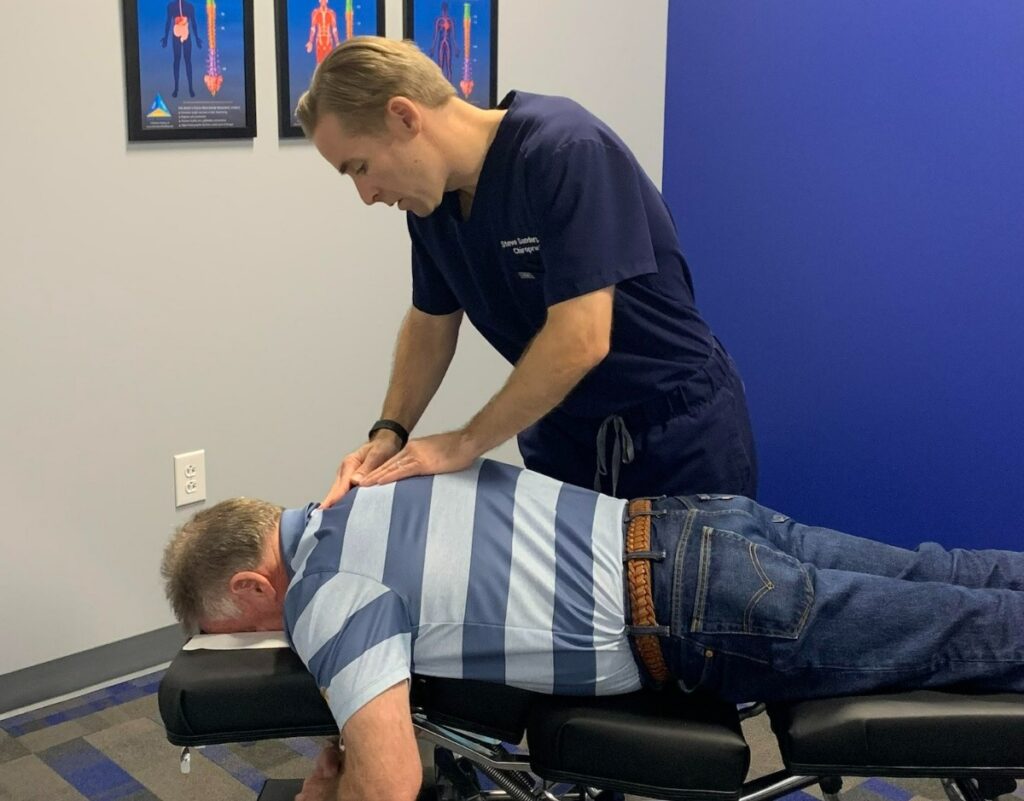
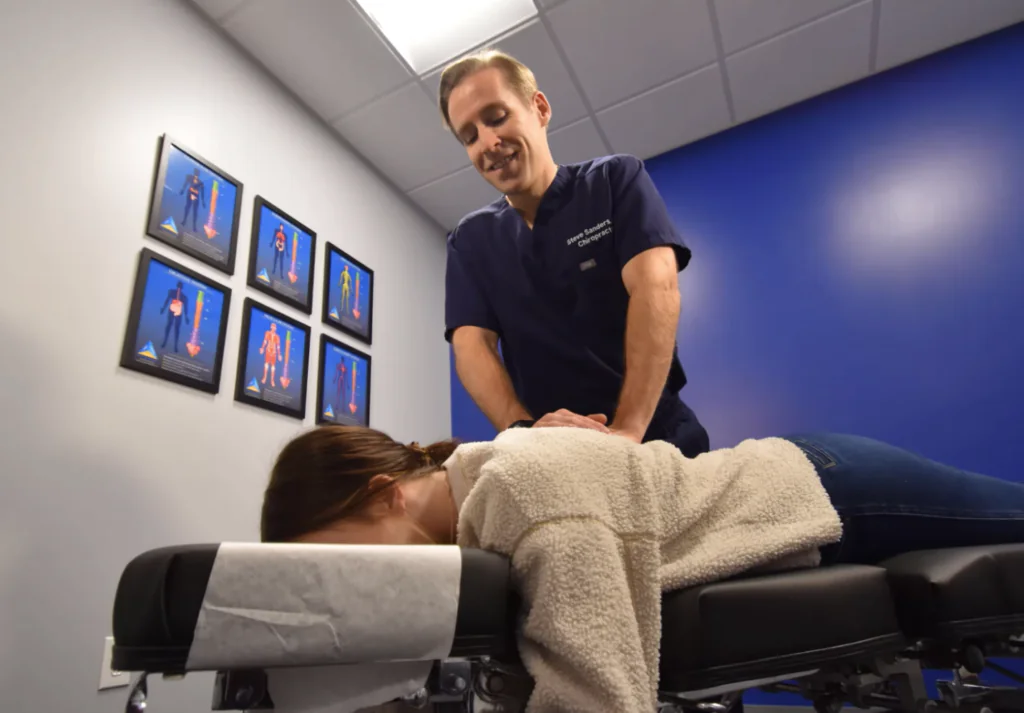
Chiropractic adjustments can work wonders for neck pain by realigning the spine and improving overall mobility. When your spine is properly aligned, it alleviates pressure on nerves and muscles, resulting in reduced pain and discomfort. You might notice that your range of motion improves considerably after just a few sessions.
These adjustments help your body heal naturally by enhancing blood flow and reducing inflammation. You'll likely feel more relaxed and less tense, which is essential if you're dealing with chronic neck pain.
Additionally, regular chiropractic care can prevent future issues by maintaining proper alignment, so you won't have to worry as much about recurring pain.
Many people find that chiropractic adjustments not only help with neck pain but also improve their overall well-being. By addressing underlying issues, you're likely to experience benefits such as better posture, increased energy, and improved sleep quality.
Incorporating chiropractic adjustments into your wellness routine could be the key to revealing long-lasting relief. Whether you're dealing with acute pain or chronic discomfort, this non-invasive therapy offers a pathway to a healthier, pain-free life.
Massage Therapy Techniques
Relief from neck pain can often be found through the soothing techniques of massage therapy. This hands-on approach helps reduce tension, improve circulation, and enhance mobility.
If you're considering massage therapy, here are four effective techniques to explore:
- Swedish Massage: Utilizing long, flowing strokes, this technique promotes relaxation and eases muscle tension.
- Deep Tissue Massage: Targeting deeper layers of muscle and connective tissue, this method is great for chronic pain and stiffness in the neck.
- Trigger Point Therapy: This focuses on specific pressure points in the neck that create pain. By releasing these points, you can enhance overall neck function.
- Myofascial Release: This technique involves gentle stretching and pressure on the fascia, which can relieve tightness in the neck and shoulders.
Each of these methods can be tailored to your specific needs, giving you a personalized experience.
Remember to consult a qualified massage therapist to determine which technique is best for you.
With regular sessions, you may find significant relief, allowing you to enjoy a more comfortable and active life.
Ergonomic Adjustments
Creating an ergonomic workspace can greatly reduce neck pain and improve your overall comfort. Start by adjusting your chair and desk height so that your elbows are at a 90-degree angle when typing. Your feet should rest flat on the ground, and your knees should be at or slightly below hip level. If your chair isn't adjustable, consider a footrest to achieve proper alignment.
Next, position your computer monitor at eye level. This prevents you from hunching over or tilting your head up or down, which can strain your neck. Ideally, the top of the screen should be at or slightly below eye level, and it should be about an arm's length away from you. If you're using a laptop, consider an external keyboard and mouse to help maintain this alignment.
Don't forget about your phone! If you're often on calls, use a headset or speakerphone. Cradling your phone between your shoulder and ear can lead to poor posture and discomfort over time.
Lastly, take regular breaks. Set a timer to remind yourself to stand up, stretch, or walk around every hour. Simple neck stretches can relieve tension and promote flexibility.
Mindfulness and Relaxation Strategies
While managing neck pain can often feel overwhelming, incorporating mindfulness and relaxation strategies into your daily routine can greatly help. These techniques not only reduce tension but also enhance your overall well-being. Here are some effective strategies to contemplate:
- Deep Breathing: Take a few minutes each day to focus on your breath. Inhale deeply through your nose, hold for a moment, and exhale slowly through your mouth. This simple practice calms your nervous system and alleviates stress.
- Meditation: Set aside time to meditate. Find a quiet space, sit comfortably, and focus on your breath or a calming mantra. Even 10 minutes can help clear your mind and promote relaxation, which may ease neck discomfort.
- Gentle Stretching: Incorporate gentle neck stretches into your routine. Slowly tilt your head from side to side and forward and backward. This can help release tension in the neck and shoulders while improving flexibility.
- Progressive Muscle Relaxation: Lie down in a comfortable position and systematically tense and then relax each muscle group. Start from your toes and work your way up to your neck and shoulders. This technique helps release physical tension and promotes a sense of calm.
Lifestyle Modifications
Adopting lifestyle modifications can greatly impact your neck pain management. By making small changes in your daily routine, you can substantially reduce discomfort and improve your overall well-being.
Start by evaluating your posture. Whether you're sitting at a desk or using your phone, make sure that your head is aligned with your spine. Consider using ergonomic furniture, like chairs that provide proper support, to help maintain good posture throughout the day.
Next, incorporate regular physical activity into your routine. Engaging in low-impact exercises, such as swimming, walking, or yoga, can strengthen the muscles around your neck and increase flexibility.
Stretching regularly is essential too; simple neck stretches can relieve tension and prevent stiffness.
Pay attention to your sleep environment as well. Opt for a supportive pillow that keeps your neck aligned with your spine. Avoid sleeping on your stomach, as this position can strain your neck. Instead, try sleeping on your back or side with a pillow that supports your head comfortably.
Lastly, be mindful of your screen time. Taking frequent breaks from screens can help reduce strain on your neck. Implement the 20-20-20 rule: every 20 minutes, look at something 20 feet away for 20 seconds.
When to Seek Professional Help
When neck pain persists despite your best efforts at home, it's vital to seek professional help. Ignoring ongoing discomfort can lead to more severe issues down the line. Knowing when to consult a healthcare professional can help you get back to your daily life without pain.
Here are four signs that indicate it's time to seek professional help:
- Severe Pain: If your neck pain is intense and doesn't improve with over-the-counter medications or home remedies, it's time to consult a specialist.
- Radiating Pain: When your neck pain radiates to your shoulders, arms, or hands, this could signal a more serious underlying condition that needs immediate attention.
- Numbness or Tingling: If you experience numbness or tingling sensations in your arms or hands, don't wait. These symptoms can indicate nerve compression that requires professional evaluation.
- Loss of Range of Motion: If you're struggling to turn your head or nod without pain, this restriction warrants a professional assessment.
Getting help early can make a significant difference in your recovery.
Don't hesitate to reach out to a physical therapist, chiropractor, or physician who specializes in neck pain. They can provide personalized care and develop a treatment plan tailored to your needs.
Conclusion
You don't have to live with neck pain or resort to surgery. By exploring non-surgical solutions like physical therapy, alternative therapies, and lifestyle changes, you can find relief and regain your mobility. Incorporating mindfulness and ergonomic adjustments into your daily routine can further enhance your recovery. Remember, taking charge of your neck health is key to enjoying a pain-free life. If your pain persists, don't hesitate to seek professional help for personalized guidance.