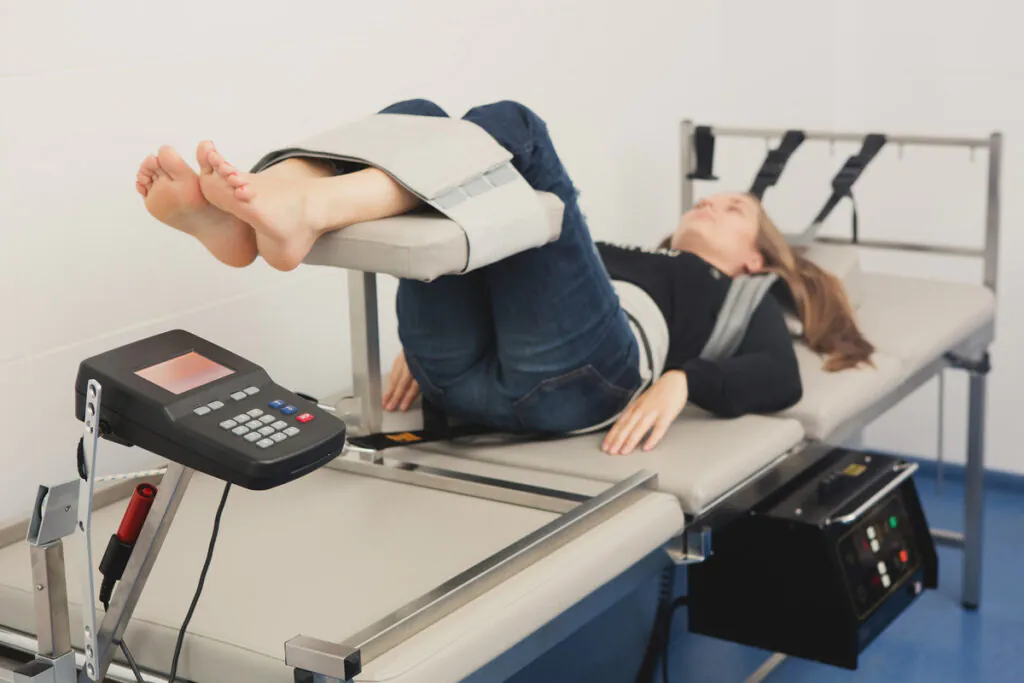
When it comes to recovering from a sports injury, understanding the right techniques is crucial, and as your local chiropractor, I'm here to guide you through this process. Many patients come to me feeling overwhelmed by the variety of recovery options available, from the immediate response techniques like R.I.C.E. (Rest, Ice, Compression, Elevation) to essential rehabilitation exercises and nutrition strategies. Each of these elements plays a vital role in your healing journey, but the key lies in how you balance them.
So, what specific steps can you take to ensure a smoother recovery and prevent future injuries? First, let's focus on proper alignment and spinal health, which can significantly enhance your body's natural healing capabilities. Regular chiropractic adjustments can help restore proper movement and function to your joints, reducing pain and inflammation.
In addition to chiropractic care, incorporating rehabilitation exercises tailored to your injury can aid in strengthening the affected area and restoring mobility. I can help design a personalized exercise plan that aligns with your recovery goals.
Don't forget about the importance of nutrition in your healing process. Consuming a balanced diet rich in anti-inflammatory foods can support recovery and help your body rebuild tissue more effectively.
By understanding these essential components and how they work together, you can pave the way for full recovery and optimal performance. If you have any questions about how chiropractic care can assist you on your healing journey, feel free to reach out!
Understanding Sports Injuries
As a local chiropractor, I want to emphasize the importance of understanding sports injuries for everyone, from casual participants to serious athletes.
It's crucial to recognize that injuries can occur regardless of your experience or skill level. By familiarizing yourself with common injuries such as sprains, strains, fractures, and tendonitis, you can spot early symptoms and take steps to prevent further complications.
When you engage in any physical activity, your body experiences stress, and it's vital to heed those warning signs. If you experience sudden pain or discomfort, it may indicate an injury that requires your attention. Learning to assess the severity of an injury is essential; minor injuries might only need rest, while more serious ones could require professional intervention.
Your training regimen significantly influences your risk of injury. Incorporating proper warm-ups, cool-downs, and stretching routines can prepare your body for the physical demands of your sport.
It's also important to know your limits; pushing past them can lead to overuse injuries, which we often see in our practice.
Cross-training is another key factor in injury prevention. By diversifying your workouts, you can enhance overall strength and flexibility while reducing repetitive strain on specific muscle groups.
Additionally, I can't stress enough the importance of using the right equipment and footwear suited to your sport. Proper support and cushioning can make a significant difference in minimizing injury risk.
As your chiropractor, I'm here to help you navigate these aspects of physical health through natural healing practices and education.
Together, we can work towards keeping you active and injury-free, allowing you to enjoy your sport to the fullest.
Immediate Response Techniques
When an injury occurs, knowing how to respond immediately can significantly impact your recovery journey. As a local chiropractor, I want to share some essential techniques that can aid in your healing process.
The first step is to assess the situation calmly. Focus your attention on the injured area. If you notice considerable pain, swelling, or any deformity, it's crucial to refrain from moving the injured person unless absolutely necessary. Remember, your safety and the safety of the injured individual are paramount.
Next, I recommend using the R.I.C.E. method—Rest, Ice, Compression, and Elevation. Resting the injured area is vital to preventing further damage and allowing your body to begin its healing process.
Applying ice for 15-20 minutes every hour can help reduce swelling and numb pain. Just be sure to wrap the ice in a cloth to protect your skin from frostbite.
Compression is another critical component. Gently wrapping the injured area with a bandage can help minimize swelling. However, be cautious not to wrap it too tightly, as this can impede circulation.
Elevation is equally important; keeping the injured limb elevated above heart level can aid in reducing swelling and improving blood flow, which is essential for recovery.
If the injury appears severe, seeking professional medical assistance is advisable. Key signs that require immediate attention include an inability to move the affected area, severe swelling, or if the injury was accompanied by a popping sound or intense pain.
Additionally, be vigilant for any signs of shock in the injured person, such as rapid breathing, weakness, or confusion. If you notice these symptoms, lay the individual down and elevate their legs while awaiting help.
By following these immediate response techniques and understanding the importance of natural healing, you can support your body's recovery process.
Don't hesitate to reach out to a chiropractor for further guidance and holistic care tailored to your needs.
Rehabilitation Exercises
Rehabilitation exercises are a crucial aspect of healing and regaining strength and mobility after a sports injury. As your chiropractor, I want to emphasize the importance of working closely with a healthcare professional to create a personalized rehabilitation program that addresses your specific needs. These exercises are designed to improve your flexibility, strengthen your muscles, and enhance your coordination, all of which are vital for a successful recovery.
We often start with gentle exercises that focus on restoring mobility. Simple range-of-motion activities can help prevent stiffness and encourage blood flow to the injured area. As you begin to regain your mobility, we'll gradually introduce strengthening exercises. Depending on your injury and fitness level, this could include using resistance bands, performing bodyweight movements, or incorporating light weights.
Remember, it's essential to listen to your body during this process; if you experience any pain, please let me know so we can adjust your program accordingly.
Balance and coordination exercises are also an integral part of your rehabilitation journey. These exercises help enhance your proprioception, which is your body's awareness of its position in space. Incorporating activities like single-leg stands or using balance boards can significantly aid your recovery.
As you progress, we may consider sport-specific drills that mimic the movements required for your particular activity. This approach not only builds strength but also helps you regain confidence in your abilities.
I encourage you to maintain a consistent routine and track your progress, as this can greatly enhance your recovery experience.
It's important to be patient during this process, as rehabilitation takes time. Rushing can lead to setbacks, so focus on your goals and trust the process. With dedication to your rehabilitation exercises, you'll be well on your way to returning to your sport stronger and more resilient than ever.
As your chiropractor, I'm here to support you every step of the way in your healing journey.
Importance of Nutrition
As your local chiropractor, I want to highlight the crucial role that nutrition plays in your recovery from sports injuries.
Many people may not realize that the right nutrients, proper hydration, and meal timing can significantly enhance your healing process.
By focusing on these elements, you can support not only your body's natural healing abilities but also complement the chiropractic care you receive.
Let's delve into how these nutritional aspects can positively influence your recovery journey and help you get back to your favorite activities more effectively.
Essential Nutrients for Healing
As your local chiropractor, I want to share some important insights about how essential nutrients can aid in your recovery from sports injuries. Healing isn't just about rest; it requires a thoughtful approach to nutrition that can help restore strength and function to your body.
First and foremost, let's talk about protein. This macronutrient is vital for repairing damaged tissues. To support your recovery, I recommend incorporating lean meats, fish, eggs, and plant-based sources like beans and lentils into your meals. These foods provide the building blocks your body needs to heal effectively.
In addition to protein, vitamins and minerals play a crucial role in the healing process. For instance, Vitamin C is essential for collagen formation, which is key for skin and tissue recovery. Zinc is another important mineral that supports immune function and aids in tissue repair. Ensure that your diet is rich in fruits, vegetables, nuts, and seeds to meet your body's nutrient needs.
Don't overlook the benefits of Omega-3 fatty acids either. These healthy fats can help reduce inflammation, which not only alleviates pain but also promotes quicker recovery. You can source Omega-3s from fatty fish like salmon, as well as from flaxseeds and walnuts.
Lastly, let's not forget about carbohydrates. They're your body's primary energy source, especially during recovery. Whole grains, fruits, and starchy vegetables are fantastic options to keep your energy levels up while you heal.
By balancing these essential nutrients, you can significantly enhance your healing journey. As we work together through chiropractic care, I encourage you to prioritize a well-rounded diet that supports your recovery and strengthens your overall health.
Hydration's Role in Recovery
As a local chiropractor, I want to emphasize the vital role that hydration plays in your recovery after a sports injury. Many people may not realize how crucial water is for healing, but it serves several important functions in your body. Proper hydration is essential for transporting nutrients, regulating body temperature, and flushing out toxins.
When you're not adequately hydrated, your body can struggle to heal effectively, which could prolong your discomfort and delay your recovery.
Here are four key reasons why staying hydrated is particularly important during your recovery:
- Nutrient Transport: Water is essential for delivering vital nutrients to the injured tissues in your body. This nutrient delivery accelerates the healing process, helping you get back to your regular activities more quickly.
- Joint Lubrication: Staying properly hydrated helps lubricate your joints, which reduces stiffness and pain. This is especially important when you're engaging in rehabilitation exercises, as it can make movements easier and more comfortable.
- Muscle Function: Adequate hydration is crucial for preventing muscle cramps and maintaining elasticity. When you're well-hydrated, you can participate in physical therapy with less discomfort and strain, which is key to effective recovery.
- Temperature Regulation: Proper fluid levels are essential for regulating your body temperature while you recover. Staying cool and hydrated can prevent overheating, which could otherwise impede your healing progress.
As you embark on your recovery journey, remember that prioritizing hydration can significantly enhance your overall healing experience.
If you have questions about how hydration fits into your recovery plan, don't hesitate to ask during your next visit!
Meal Timing Strategies
As a local chiropractor dedicated to your overall health and recovery, I want to emphasize the significant role that meal timing plays in healing from sports injuries. When you provide your body with the right nutrients at crucial times, you can significantly enhance the healing process and reduce recovery time.
One of the most important moments to fuel your body is within 30 minutes after a workout or injury. This timeframe is essential because your body is particularly receptive to absorbing nutrients during this period. Consuming a balanced meal that includes a mix of protein and carbohydrates can help replenish glycogen stores and support muscle repair. For instance, a smoothie made with protein powder, fruit, and spinach serves as a fantastic recovery option.
Moreover, maintaining consistent meal timing throughout the day is vital for sustaining energy levels and fostering your body's healing processes. Instead of skipping meals or allowing long gaps between them, I recommend eating every 3-4 hours. This approach ensures a steady supply of nutrients, which is critical for effective recovery.
Mental Recovery Strategies
When you're on the path to recovery from a sports injury, it's crucial to understand that mental strategies are just as important as physical treatments.
As a local chiropractor, I emphasize the value of techniques like visualization, mindfulness, and positive self-talk. These methods can significantly enhance your focus and motivation during your healing process.
By integrating these practices into your routine, you can build mental resilience, which can complement your physical care and potentially accelerate your recovery.
Visualization Techniques
As a local chiropractor, I want to share how visualization techniques can significantly aid in your mental recovery process, especially if you're dealing with injuries.
By leveraging the power of your imagination, you can support your healing journey and maintain a positive mindset, which is essential for a successful recovery.
Visualization isn't merely daydreaming; it's a proactive approach to training your mind and body to work together for optimal healing.
Here are four effective visualization exercises I encourage you to practice:
- Healing Light: Close your eyes and envision a warm, healing light enveloping your injured area. Imagine this light penetrating deeply into your tissues, promoting healing and alleviating discomfort. This exercise can help foster a sense of relief and comfort.
- Successful Movement: Picture yourself engaging in your favorite activities or sports with perfect technique. Visualize each movement clearly, from the rhythm of your steps to the precision of your actions. This mental rehearsal can enhance your muscle memory and confidence.
- Future Competitions: Imagine yourself back in the competition, feeling stronger and more confident than ever. Visualize the excitement of the crowd and the satisfaction of achieving your goals. This can help motivate you and keep your spirits high during recovery.
- Positive Affirmations: Visualize yourself repeating affirmations such as "I am healing" or "My body is strong." Picture these positive statements being absorbed by your body, reinforcing your commitment to recovery and instilling a sense of empowerment.
Incorporating these visualization techniques into your recovery strategy can greatly enhance your mental resilience and overall healing process.
Mindfulness Practices
As a local chiropractor, I want to share how practicing mindfulness can significantly aid in your recovery from sports injuries. Mindfulness helps you build awareness and strengthen the connection between your body and mind, which is crucial for effective healing. By focusing on the present moment, you can alleviate anxiety and stress that often accompany injuries, making your recovery journey smoother.
I recommend starting with just a few minutes of mindfulness meditation each day. Find a quiet space, close your eyes, and focus on your breath. Pay attention to the sensation of air entering and leaving your body, and gently let go of any distracting thoughts. This practice can help you develop a clearer understanding of your body's needs.
Another beneficial technique is body scanning. As you lie down comfortably, mentally check in with each part of your body, starting from your toes and working your way up to the top of your head. Notice any areas of tension or discomfort, and consciously relax those muscles. This practice enhances your body awareness, allowing you to identify early signs of overexertion or strain that might hinder your recovery.
You can also incorporate mindfulness into everyday activities, such as walking or eating. By being fully present during these moments, you can cultivate a positive mindset and maintain focus on your healing process. Embracing mindfulness empowers you to navigate your recovery with greater patience and resilience, which is essential for achieving lasting health and well-being.
Positive Self-Talk
Positive self-talk is an essential component of the healing journey, especially for those recovering from sports injuries. As your local chiropractor, I want to emphasize how your mindset can significantly influence your recovery. Instead of fixating on doubts or fears, you can utilize positive thoughts to build resilience and foster a spirit of optimism.
By integrating affirmative language into your daily routine, you can cultivate an environment that promotes healing.
Here are four effective strategies to incorporate positive self-talk into your recovery process:
- Visualize Success: Take a moment to picture yourself fully healed and back in action. Imagine the exhilaration of competing again, feeling robust and confident in your abilities.
- Affirm Your Strengths: Reflect on your past accomplishments. Remind yourself with statements like, "I have faced challenges before, and I've the strength to overcome this one too."
- Focus on Progress: Celebrate every small victory during your recovery, whether it's improved mobility, less pain, or increased strength. Each step forward is a testament to your progress and resilience.
- Stay Patient and Kind: It's important to acknowledge that healing is a process that takes time. Remind yourself, "I am doing my best, and it's perfectly okay to allow myself the necessary time to heal."
By practicing positive self-talk, you aren't only enhancing your mental outlook but also complementing the chiropractic care and natural healing methods that I provide to support your recovery.
Let's work together to harness the power of your thoughts for a faster, more effective healing journey.
Role of Physical Therapy
When you experience a sports injury, seeking chiropractic care can significantly enhance your recovery process. It's not just about getting you back on the field; it's about ensuring your body heals properly and regains its strength in a natural way.
A knowledgeable chiropractor will evaluate your injury, identify any imbalances in your musculoskeletal system, and create a customized treatment plan that addresses your specific needs. This comprehensive assessment is vital as it helps you understand the nature of your injury and the most effective path to recovery.
Throughout your treatment sessions, you'll engage in specific exercises that improve flexibility, strength, and coordination. These exercises are crafted to help you restore your range of motion and rebuild muscle strength, which are essential for a safe return to your sport.
Additionally, your chiropractor will educate you on proper movement techniques to prevent future injuries, ensuring that you not only recover but do so in an effective manner.
Alongside exercise, your chiropractor may use hands-on manual therapy techniques to alleviate pain and reduce inflammation. They might also incorporate natural modalities such as ice, heat, or electrical stimulation to support your healing process.
Open communication with your chiropractor is essential, as they'll modify your treatment plan based on your progress. This collaborative approach encourages you to take an active role in your recovery.
Preventing Future Injuries
As a local chiropractor, my goal is to help you understand the importance of strengthening your body and enhancing your overall conditioning to prevent future injuries. By taking proactive measures, you can stay active and significantly reduce your chances of setbacks.
Here are four essential strategies that I recommend:
- Incorporate Strength Training: Building muscle around your joints is vital for stability and support. Focus on exercises that target major muscle groups, particularly those that are used in your daily activities or sports. This not only enhances your physical capabilities but also helps protect your joints.
- Prioritize Flexibility: Regular stretching is crucial for improving your range of motion and decreasing muscle tightness. Incorporate dynamic stretches before your activities to warm up your muscles, and follow up with static stretches afterward to promote recovery and flexibility.
- Balance Your Training: It's important to avoid overworking specific muscle groups. Mixing up your routines with cross-training activities can help you develop balanced strength and minimize the risk of repetitive strain injuries. This variety keeps your workouts engaging and effective.
- Listen to Your Body: Your body communicates with you through sensations of discomfort or fatigue. It's essential to pay attention to these signals. Don't push through pain—take rest days when necessary, and if you experience persistent issues, please consult a professional like myself.
We're here to help you navigate through any concerns and guide you toward natural healing.
Conclusion
As a local chiropractor, I want to emphasize that recovering from sports injuries involves a comprehensive approach that goes beyond just treating the symptoms. To effectively unblock your recovery, it's essential to utilize immediate response techniques, such as R.I.C.E. (Rest, Ice, Compression, Elevation), which can help manage swelling and pain right after an injury occurs.
However, quick responses are just the beginning. Committing to a structured rehabilitation program is vital for restoring strength and flexibility. This often includes specific exercises tailored to your injury, which I can help guide you through based on your individual needs.
Nutrition also plays a crucial role in your healing journey. Fueling your body with the right nutrients can accelerate recovery and enhance overall performance. I often recommend a balanced diet rich in anti-inflammatory foods to support your healing process.
Additionally, mental strategies are key. Staying positive and focused on your recovery can make a significant difference in your overall experience. Techniques such as visualization and mindfulness can aid in maintaining motivation and resilience.
Don't underestimate the benefits of physical therapy as well. Working together with a chiropractor can help identify underlying issues and prevent future injuries. By integrating chiropractic care into your recovery plan, you can improve your body's alignment and function, ultimately setting the stage for not just recovery, but also enhanced performance in your sport.
Prioritizing these components not only aids in healing but builds a stronger foundation for resilience in your athletic pursuits. Remember, recovery is a journey, and I am here to support you every step of the way.