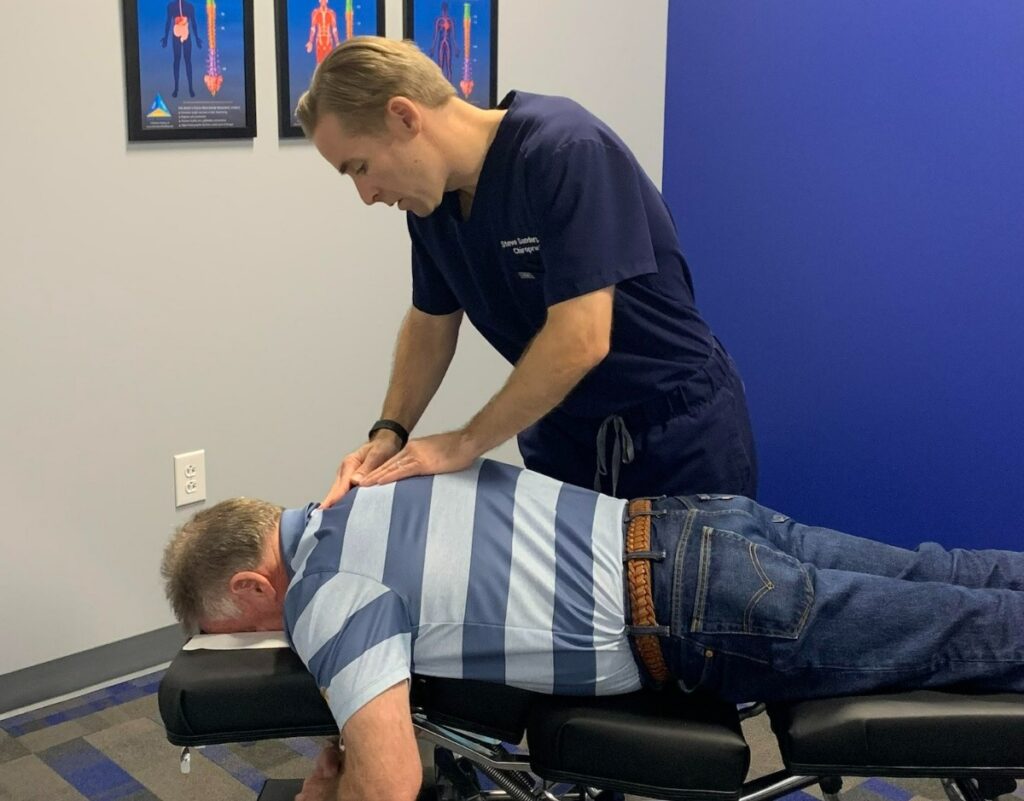
As a local chiropractor, I often see patients who are seeking alternatives to conventional pain management methods. It’s important to understand that natural relief techniques can be highly effective in alleviating discomfort without the need for medication. From herbal remedies to mindfulness practices, these approaches can significantly improve your overall well-being. You might be surprised at how simple lifestyle changes can make a positive impact on your pain levels. If you’re curious about which techniques might be the best fit for your situation, let’s explore some of the most effective options together. Embracing these natural healing methods can be a powerful step towards achieving a pain-free life.
Understanding Natural Pain Relief
As a local chiropractor, I want to help you understand how natural pain relief methods can empower you to take control of your comfort and overall well-being.
It’s important to know that you have options beyond medication to address discomfort effectively. Techniques such as deep breathing, mindfulness, and gentle movement are powerful tools that can help reduce tension and promote relaxation.
Incorporating practices like yoga or tai chi into your routine can be highly beneficial. These activities blend physical movement with mental focus, enhancing both your mobility and overall health.
It’s vital to listen to your body; by adapting your approach based on what feels right for you, you can enhance your experience and improve your results.
Moreover, maintaining a healthy lifestyle through proper nutrition, hydration, and regular exercise can significantly strengthen your body’s natural resistance to pain.
By exploring these natural methods, you’ll not only manage pain more effectively but also develop a deeper connection with your body.
Embracing these techniques, alongside chiropractic care, can lead to a more balanced and empowered approach to your health and well-being.
I’m here to guide you on this journey toward a healthier, pain-free life.
Herbal Remedies for Pain Management
As your local chiropractor, I want to share some valuable insights about natural pain relief options that can complement our chiropractic care. Many patients often seek alternatives for managing discomfort, and herbal remedies can be a supportive part of that journey.
For instance, turmeric is a powerful herb known for its anti-inflammatory properties, making it a great choice for easing joint pain. Similarly, ginger can be very effective in reducing muscle soreness and inflammation.
Another herb worth considering is willow bark, which has been traditionally used for headaches and lower back pain because of its natural salicin content, which is similar to aspirin.
If you’re experiencing nerve pain, St. John’s Wort may be beneficial; it has been recognized for its ability to alleviate nerve-related discomfort.
Moreover, peppermint oil is another excellent option that can provide soothing relief for tension headaches when applied topically.
It’s important to remember that before you start any herbal remedy, it’s best to consult with a healthcare professional—like me! This ensures that the remedy is safe for you, especially if you’re taking other medications.
Physical Therapies and Techniques
As a local chiropractor, I want to share how incorporating various physical therapies into your pain management routine can’t only enhance your recovery but also improve your overall comfort.
These techniques are designed to alleviate pain while boosting mobility and strength. Here are four effective therapies you should consider:
1. Chiropractic Care: As a chiropractor, my primary focus is on spinal alignment and joint mobility. By addressing misalignments and improving movement in your spine and joints, we can relieve pain and enhance your overall function.
Regular adjustments can lead to long-term benefits for your health.
2. Physical Therapy: Collaborating with a licensed physical therapist can provide you with a personalized exercise plan tailored to your specific needs.
These plans typically focus on strengthening muscles and increasing flexibility, which are essential for a successful recovery.
3. Massage Therapy: Incorporating regular massage sessions into your routine can work wonders.
Massage therapy helps reduce muscle tension, improves circulation, and promotes relaxation, all of which contribute to pain relief.
4. Acupuncture: This ancient healing technique involves inserting thin needles into specific points on the body.
It stimulates the release of endorphins, which can significantly alleviate pain and promote healing in a natural way.
By understanding and exploring these therapies, you’re taking an important step towards a holistic approach to your health.
As your chiropractor, I’m here to guide you through these options and help you find the best path for your healing journey.
Mindfulness and Relaxation Practices
As a local chiropractor dedicated to helping my patients on their journey to wellness, I want to share three effective mindfulness and relaxation practices that can significantly enhance your pain management routine.
First, let’s talk about deep breathing exercises. This simple yet powerful technique allows you to focus on your breath, helping to calm your mind and alleviate tension within your body. To practice, take a deep breath in through your nose, hold it for a moment, and then exhale slowly through your mouth. This process can create a sense of relaxation and help ease discomfort.
Next, consider incorporating guided imagery into your daily routine. Imagine a serene environment, like a tranquil beach or a lush forest. Visualize the sensory details—what you see, hear, and feel. This mental journey can serve as a wonderful distraction from pain while promoting relaxation and a positive mindset.
Lastly, I recommend trying progressive muscle relaxation. This technique involves tensing each muscle group in your body for a few seconds and then letting go. By doing this, you become more aware of areas of tension and can experience a profound sense of relief as you release that tension.
Integrating these mindfulness and relaxation practices into your daily life can empower you to manage pain more effectively while also enhancing your overall well-being.
As your chiropractor, I encourage you to explore these natural healing methods alongside your chiropractic care for the best outcomes in your health journey.
Dietary Changes for Pain Reduction
As your local chiropractor, I want to share how making some thoughtful dietary changes can significantly impact your pain levels. Many patients are unaware that certain foods have powerful anti-inflammatory properties that can aid in reducing discomfort and support your overall healing process.
Here are four dietary adjustments that you might consider:
- Increase Omega-3 Fatty Acids: Including fatty fish like salmon or plant-based sources like walnuts in your meals can be beneficial. Omega-3s are known for their ability to combat inflammation, which can help you feel better and support your chiropractic care.
- Eat More Fruits and Vegetables: Striving for a colorful plate isn’t just visually appealing; it’s also vital for your health. Fruits and vegetables, especially berries and leafy greens, are packed with antioxidants that can help reduce pain and inflammation.
- Limit Processed Foods: It’s important to be mindful of what you eat. Reducing your intake of processed foods, refined sugars, and trans fats can play a significant role in minimizing inflammation, which can enhance the effects of your chiropractic treatments.
- Stay Hydrated: Proper hydration is crucial for your body’s functions, including healing. Drinking plenty of water and herbal teas can help flush out toxins and maintain your overall well-being.
Essential Oils and Aromatherapy
As a local chiropractor, I often encounter patients seeking natural ways to alleviate pain and discomfort. One effective approach that I recommend is the use of essential oils and aromatherapy. These concentrated plant extracts, such as lavender, peppermint, and eucalyptus, can offer various therapeutic benefits that complement chiropractic care.
For instance, lavender oil is renowned for its calming properties, making it an excellent choice for those looking to reduce tension and promote relaxation after an adjustment. Peppermint oil is particularly useful for its cooling sensation, which can help ease headaches and muscle pain, providing relief alongside spinal manipulation.
Eucalyptus oil is beneficial for respiratory issues, making it a great option if you’re experiencing discomfort related to sinus pressure, especially during allergy seasons.
Incorporating essential oils into your routine is simple. You can use a diffuser to disperse the oils in your home, add a few drops to your bath for a soothing soak, or apply them topically with a carrier oil. Just remember to dilute them properly before applying to your skin to avoid irritation.
I encourage you to explore different oils and application methods to find what resonates with you. By integrating essential oils and aromatherapy into your pain management strategies, you may discover valuable allies in your journey toward better health and wellness.
If you have any questions, feel free to ask during your next visit!
Acupuncture and Traditional Chinese Medicine
As a local chiropractor, I often see patients who are looking for natural ways to manage their pain and improve their overall well-being. One approach that many find beneficial is the combination of chiropractic care with acupuncture and Traditional Chinese Medicine (TCM).
These therapies work synergistically to enhance your pain relief experience. Here’s how they can help you:
- Chiropractic Adjustments: By realigning the spine and joints, we can improve your body’s function and promote better energy flow.
- Needle Insertion: Acupuncture uses fine needles to stimulate specific points on the body, which helps to encourage energy flow and can be particularly effective in pain management.
- Pain Relief: Both chiropractic care and acupuncture stimulate your body’s natural healing processes, including the release of endorphins, which act as natural painkillers.
- Holistic Approach: We take into account your emotional and physical health, tailoring treatment plans to address your unique needs and concerns.
- Long-Term Benefits: Regular chiropractic adjustments combined with acupuncture can lead to lasting relief, promoting not just immediate pain management but an overall healthier lifestyle.
Incorporating these natural therapies into your wellness routine can significantly improve your quality of life.
If you’re exploring holistic options for pain relief, I encourage you to consider adding chiropractic care and TCM to your health toolkit. Together, we can work towards a pain-free and balanced life.
Integrating Natural Techniques Into Daily Life
As a local chiropractor dedicated to your well-being, I want to share how integrating natural pain relief techniques into your daily routine can significantly enhance your health and quality of life.
One of the simplest ways to start is by incorporating gentle stretches or yoga into your morning routine. These practices promote flexibility, reduce muscle tension, and help prepare your body for the day ahead.
Essential oils can also be a fantastic addition to your self-care regimen. Using oils like lavender or peppermint in a diffuser or during massages can provide calming effects that relieve stress and discomfort. These natural remedies can complement the chiropractic adjustments you receive, enhancing their effectiveness.
Mindfulness and meditation are vital tools that can help you manage pain and improve your mood. I encourage you to set aside a few minutes each day to focus on your breath. This practice not only calms the mind but also supports your body’s natural healing processes.
Additionally, maintaining a balanced diet rich in anti-inflammatory foods is crucial. Foods like leafy greens, nuts, and fatty fish can support your overall health and aid in recovery from pain.
Finally, let’s not overlook hydration. Drinking plenty of water is essential for flushing out toxins and keeping your muscles functioning optimally.
By regularly practicing these natural techniques alongside your chiropractic care, you’ll be taking a holistic approach to managing pain that can lead to lasting improvements in your quality of life.
Conclusion
As a local chiropractor, I want to share with you the benefits of incorporating natural pain relief techniques into your daily life. By embracing approaches like herbal remedies, physical therapies, and mindfulness practices, you can actively participate in managing any discomfort you may experience.
It’s important to explore options such as essential oils, acupuncture, and gentle movements like yoga. These methods not only support your body’s healing process but also empower you to discover what works best for you. By integrating these natural techniques, you can achieve a more comfortable and fulfilling life, reducing your reliance on medications. Remember, every body is unique, and together we can find the right balance for your health and well-being.