If you’ve ever felt a sharp, shooting pain down your leg or a burning ache in your neck that just won’t quit, there’s a good chance a herniated disc may be involved. It’s one of the most common spinal complaints Dr. Steve Sanders sees at Cityview Chiropractic here in Fort Worth, TX — and yet it’s also one of the most misunderstood. Many patients arrive feeling anxious, unsure of how this happened to them, and worried about what it means for their future. The good news is that understanding what causes a herniated disc is the first step toward recovering from one, and most people do recover with the right conservative care.
What is a herniated disc?
A herniated disc occurs when the soft, gel-like center of a spinal disc pushes through a tear in the disc’s tough outer layer. This can irritate nearby nerves and cause pain, numbness, or weakness in the arms or legs. It can happen gradually over time or suddenly with the wrong movement.
- Understanding the Anatomy of a Spinal Disc
- What Causes a Herniated Disc?
- Signs and Symptoms to Watch For
- How Chiropractic Care Fits In
- Practical Tips to Protect Your Spine
- When to See a Chiropractor in Fort Worth
- Common Causes vs. Risk Factors at a Glance
- Myths vs. Facts About Herniated Discs
- Final Thoughts from Cityview Chiropractic
- Frequently Asked Questions
- TL;DR Summary
Understanding the Anatomy of a Spinal Disc
To truly understand what causes a herniated disc, it helps to first picture what a spinal disc actually is. Your spine is made up of a series of vertebrae — the bony building blocks that stack on top of one another. Between each pair of vertebrae sits a disc, which acts like a shock absorber and allows your spine to move, bend, and twist.
Each disc has two distinct parts. The outer layer, called the annulus fibrosus, is made of tough, fibrous cartilage. The inner core, called the nucleus pulposus, is a soft, jelly-like substance that provides cushioning. Think of a disc like a jelly donut: the dough on the outside keeps the filling contained. When the outer layer develops a crack or weakness, the inner material can bulge out or push through entirely.
When this happens, the displaced disc material can press against spinal nerves, causing the pain, tingling, or numbness that so many Fort Worth patients describe when they first come through the doors at Cityview Chiropractic. Herniated discs most commonly occur in the lower back (lumbar spine) or the neck (cervical spine), though they can happen anywhere along the spine.
What Causes a Herniated Disc?
Understanding what causes a herniated disc means looking at both the immediate triggers and the longer-term factors that weaken the disc over time. In many cases, it’s a combination of the two.
Age-Related Disc Degeneration
The single most common underlying cause of a herniated disc is the natural aging process. As we get older, our spinal discs gradually lose water content and become less flexible and resilient. This process, often called disc degeneration, makes the outer layer of the disc more prone to cracking or tearing. Someone in their 30s or 40s may already have discs that are significantly drier and more vulnerable than they were in their 20s. This is why herniated discs are most commonly diagnosed in people between the ages of 30 and 50, though they can certainly occur outside that range.
Improper Lifting and Sudden Physical Strain
One of the most frequent immediate triggers Dr. Steve Sanders hears about from patients is lifting something heavy the wrong way. When you bend at the waist and lift a heavy object — rather than squatting down and using your leg muscles — you place enormous pressure on the lower lumbar discs. That sudden, concentrated force can be enough to cause the outer layer of a disc to tear, especially if that disc is already weakened by age or prior stress.
It doesn’t even have to be a large item. Plenty of patients in Fort Worth have herniated a disc while picking up a bag of groceries, reaching into the back of their car, or bending over to tie their shoes. The movement itself, combined with the state of the disc, is what matters.
Repetitive Movements and Occupational Stress
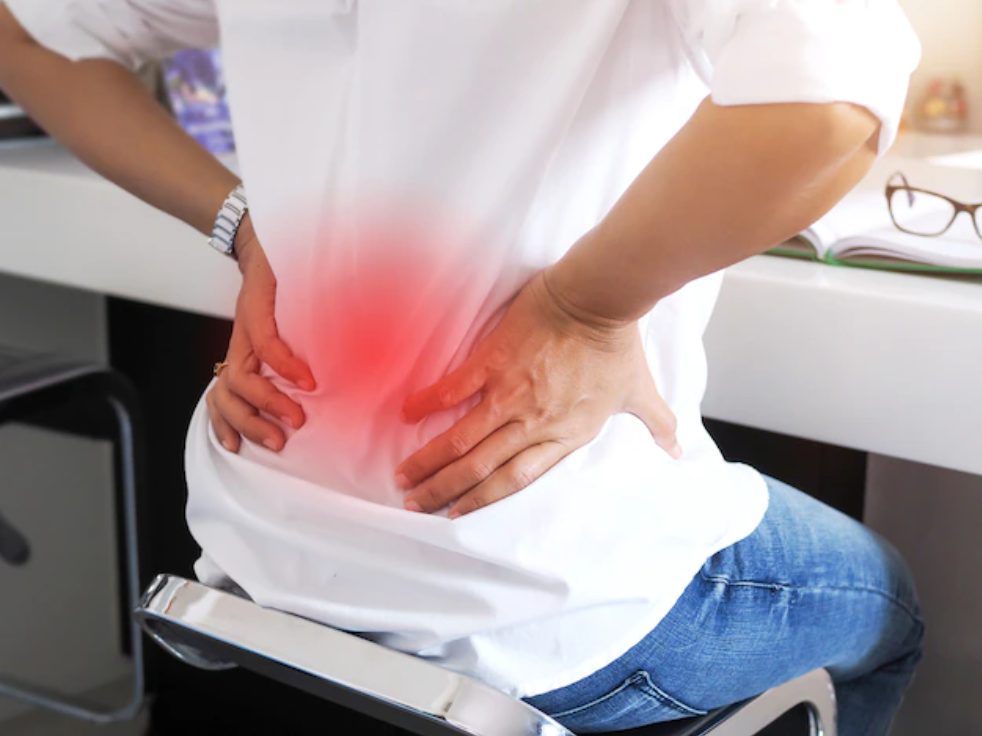
Repetitive physical tasks — especially those involving twisting, bending, or prolonged sitting — can place cumulative stress on the spinal discs that adds up over months and years. People in physically demanding jobs, as well as those who sit at a desk for many hours a day, are both at elevated risk. If you spend long hours at a computer without proper ergonomics, the sustained pressure on your lumbar spine can accelerate disc wear and increase vulnerability to herniation.
Many of our patients at Cityview Chiropractic have found that their back pain noticeably worsens after long periods of sitting, which is a common early warning sign that the discs and surrounding structures are under too much stress.
Trauma and Auto Accidents
A sudden physical trauma — such as a car accident, a fall, or a sports injury — can herniate a disc that might otherwise have remained intact for years. The force of impact can compress, twist, or shear the spine in ways that overwhelm the disc’s structural limits. Auto injury chiropractic care addresses exactly this kind of trauma-related disc damage, which often isn’t immediately painful right after the accident but becomes increasingly uncomfortable in the days and weeks that follow.
Genetics and Body Weight
Some people are simply more predisposed to disc problems due to inherited characteristics in their connective tissue. If herniated discs run in your family, your risk may be somewhat higher. Additionally, carrying excess body weight places greater mechanical load on the lumbar spine with every step, every sit, and every bend. Over time, this additional stress can accelerate the degeneration process and increase the likelihood of herniation.
Sedentary Lifestyle and Poor Core Strength
The muscles of your core — including the deep stabilizing muscles of the abdomen and lower back — act as a natural support system for your spine. When these muscles are weak or underutilized due to a sedentary lifestyle, the spinal discs are forced to bear more of the load on their own. This lack of muscular support is a significant contributing factor to disc injury, and it’s one reason why movement and physical activity are so important for long-term spinal health.
Signs and Symptoms to Watch For
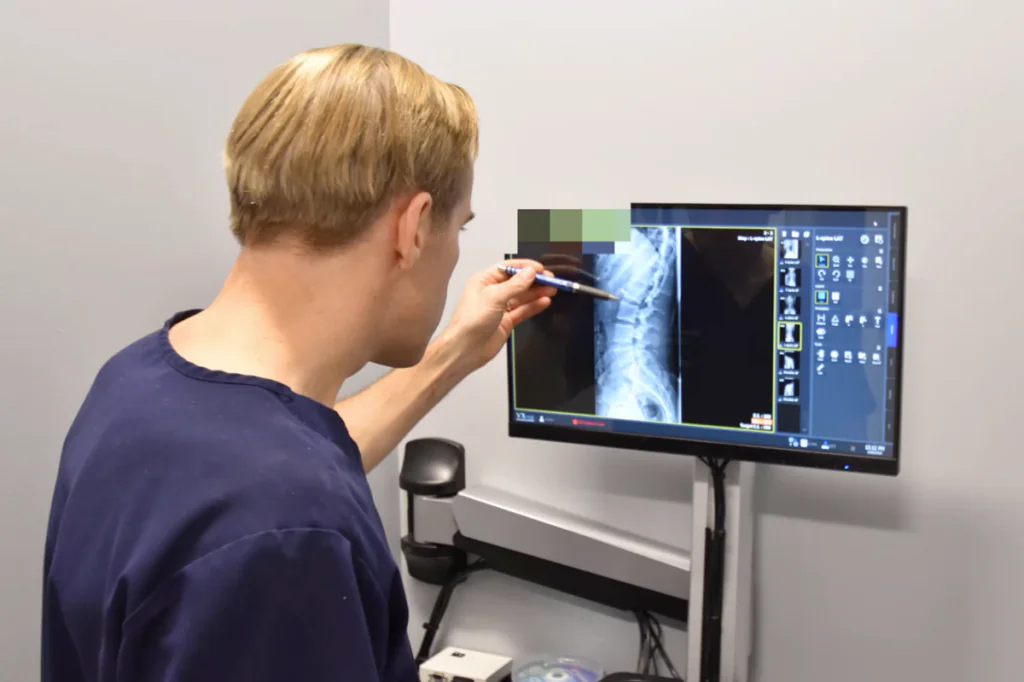
Herniated discs don’t always cause obvious symptoms right away. Some people have disc herniations that are discovered incidentally on imaging taken for other reasons. When symptoms do appear, they vary depending on where along the spine the herniation occurs and which nerves are affected.
In the lower back, a herniated disc often causes pain that radiates down through the buttock, thigh, and sometimes all the way into the foot — a pattern many people recognize as sciatica. You might also notice numbness, tingling, or a feeling of weakness in one leg. For a deeper look at how disc problems relate to leg pain, our guide on sciatica versus other causes of leg pain can help clarify what you’re experiencing.
In the cervical spine (neck), a herniated disc can cause pain that shoots into the shoulder, arm, or hand, along with numbness or weakness in those areas. Some patients also experience neck pain as a primary complaint, sometimes accompanied by headaches. If you’re dealing with both disc-related discomfort and persistent headaches, it may be worth exploring chiropractic care for headaches and migraines as part of a broader treatment approach.
In severe cases, herniated discs can affect bladder or bowel control — a situation that requires immediate medical attention. Fortunately, this is rare.
How Chiropractic Care Fits In
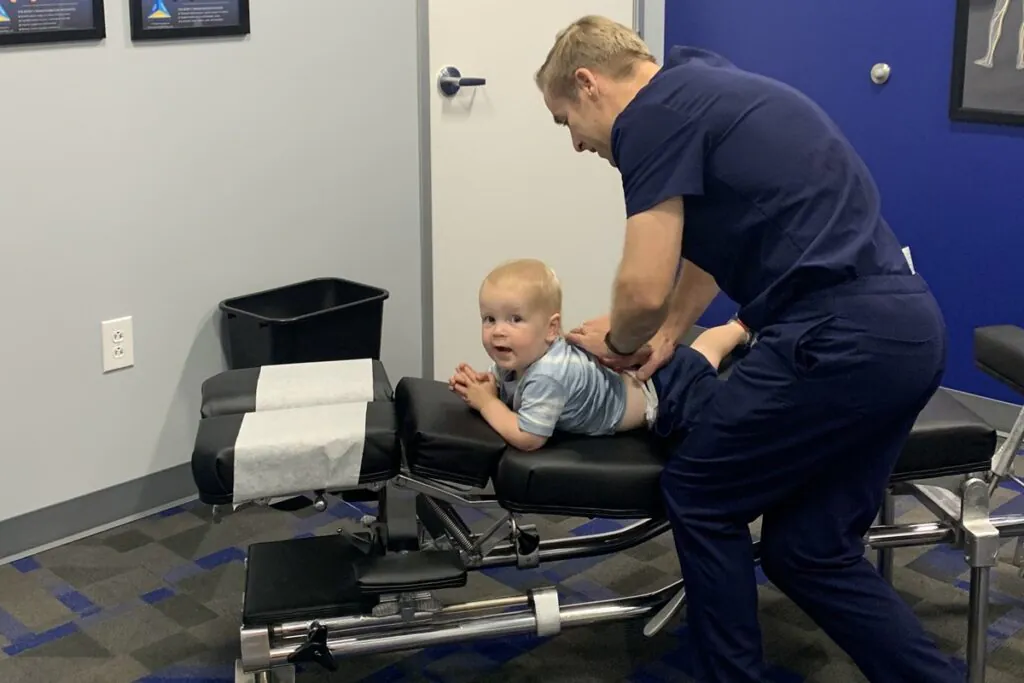
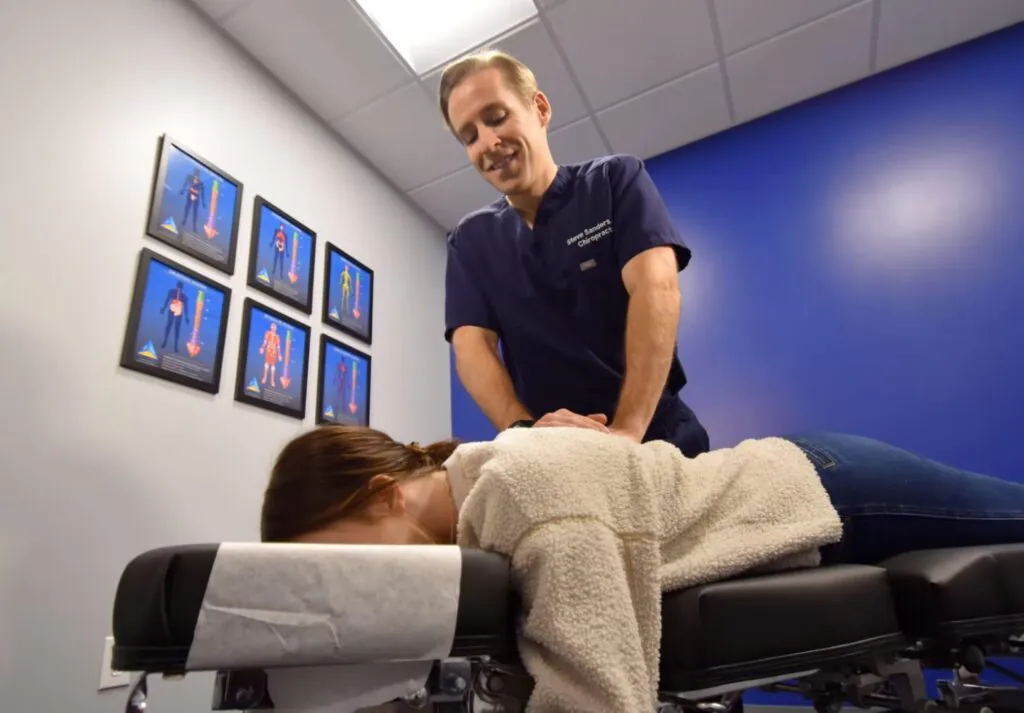
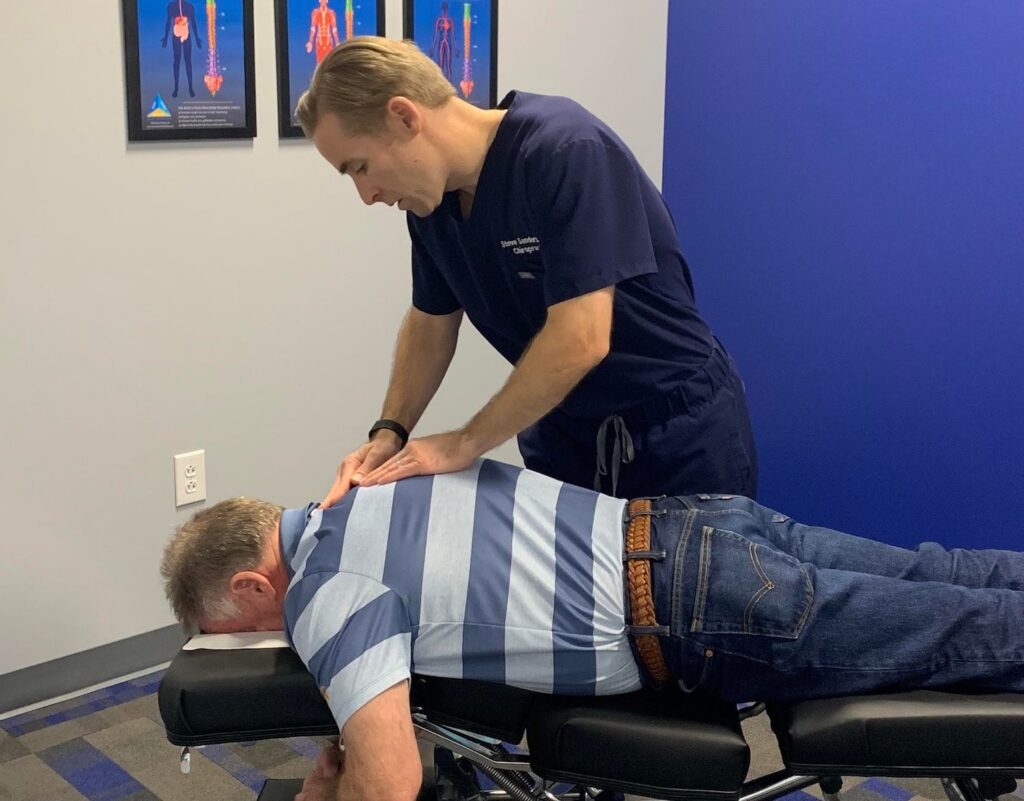
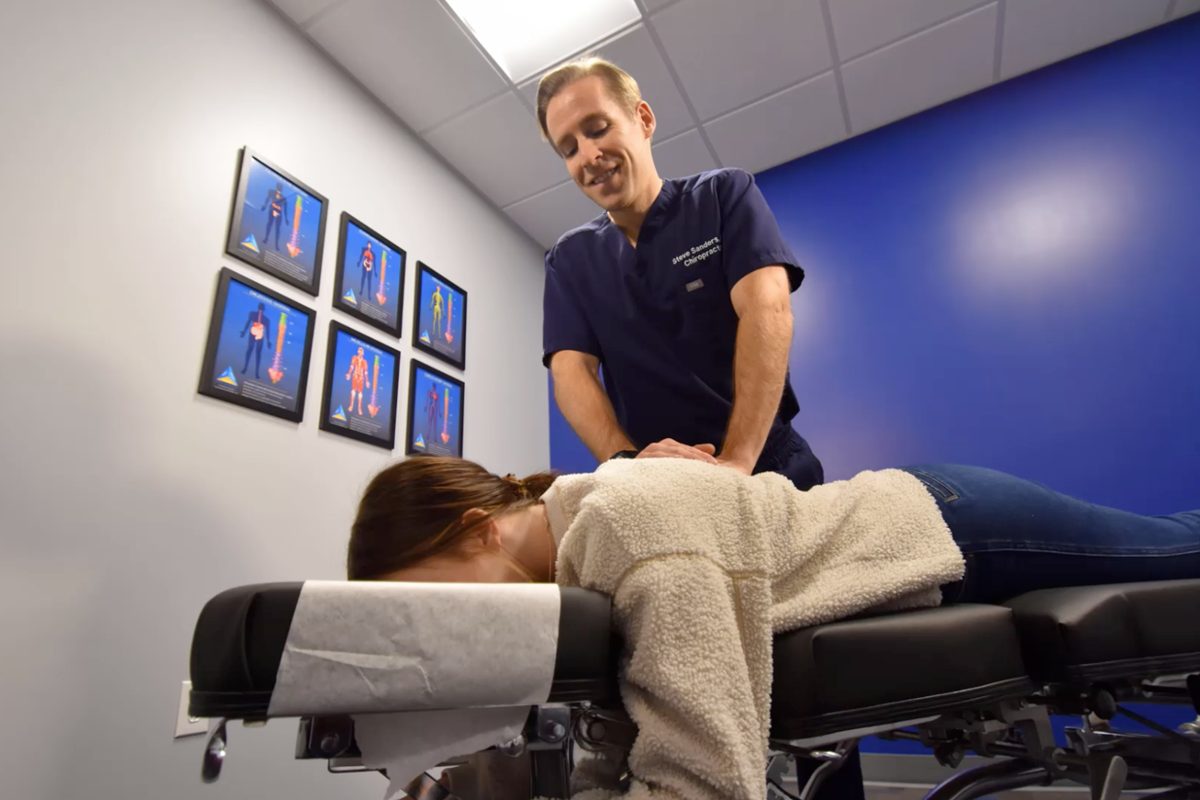
When it comes to what causes a herniated disc and how to address it, chiropractic care sits firmly in the category of conservative, non-surgical, drug-free management. Dr. Steve Sanders at Cityview Chiropractic takes a thorough approach to evaluating each patient’s situation before recommending any course of care. No two herniated discs are exactly alike, and treatment should reflect that.
Chiropractic adjustments can help restore proper alignment and motion to spinal joints that may have become restricted or misaligned as a result of disc injury. By improving joint function, adjustments may reduce the mechanical stress on the affected disc and the surrounding tissues. Evidence from organizations such as the American College of Physicians suggests that spinal manipulation is a reasonable first-line option for many types of back pain, including that associated with disc problems.
In addition to adjustments, our team at Cityview Chiropractic often incorporates spinal decompression therapy, which is a gentle, traction-based approach designed to relieve pressure on the affected disc and create conditions that support healing. If you’re curious about what this therapy involves, our detailed guide on spinal decompression in Fort Worth walks through what patients can expect.
Our physical therapy services are also a valuable complement to chiropractic adjustments, helping to strengthen the muscles that support the spine and reduce the likelihood of re-injury. And for those dealing with lingering back pain associated with their herniated disc, we offer comprehensive herniated disc treatment tailored to your specific needs.
Practical Tips to Protect Your Spine
Whether you’re trying to prevent a herniated disc or support your recovery from one, these straightforward habits make a meaningful difference over time.
Lift with your legs, not your back. Whenever you pick something up — no matter how light it seems — bend at the knees and keep the object close to your body. Avoid twisting while lifting. This one habit alone eliminates a significant portion of the acute disc injury risk Dr. Steve Sanders sees in his Fort Worth patients.
Set up an ergonomic workstation. If you spend hours at a desk, make sure your screen is at eye level, your chair supports your lumbar curve, and your feet are flat on the floor. Take standing or walking breaks every 30 to 45 minutes to relieve sustained pressure on the lumbar discs.
Stay active and strengthen your core. Regular, low-impact movement — walking, swimming, yoga — helps maintain disc hydration and keeps the stabilizing muscles of your core in shape. You don’t need an intense workout routine; consistent, gentle movement is what counts.
Maintain a healthy body weight. Even modest reductions in body weight can meaningfully decrease the mechanical load on your lumbar spine. Pair movement with a balanced diet and you’re giving your spine a much better long-term environment to thrive in.
Pay attention to posture. Slouching places uneven pressure on spinal discs and can accelerate degeneration over time. Practice sitting and standing tall, with your ears over your shoulders and your shoulders over your hips.
When to See a Chiropractor in Fort Worth
If you’re experiencing back or neck pain that has lasted more than a few days, or if you notice radiating pain, numbness, or tingling moving into your arms or legs, it’s worth getting a professional evaluation. These symptoms don’t always mean a herniated disc, but they do mean something in your spine deserves attention.
Dr. Steve Sanders at Cityview Chiropractic welcomes patients at all stages — whether you’re in acute pain or dealing with a chronic, nagging ache that’s become your new normal. Early evaluation typically leads to better outcomes, so there’s no benefit in waiting and hoping it resolves on its own.
However, there are situations that require immediate medical attention rather than chiropractic care alone. If you experience sudden loss of bladder or bowel control, severe progressive weakness in your legs, or significant trauma to the spine, go to an emergency room or contact your primary care physician right away. These are red flag signs that need urgent evaluation.
For everything else — the aching, the radiating leg pain, the stiff neck, the discomfort that’s making daily life harder — conservative chiropractic care is a well-supported starting point. If you’re also dealing with a pinched nerve alongside disc irritation, that’s something our team evaluates and addresses regularly as well.
Common Causes vs. Risk Factors at a Glance
| Direct Cause | Associated Risk Factor | Spine Region Most Affected |
|---|---|---|
| Improper heavy lifting | Weak core muscles | Lumbar (lower back) |
| Age-related disc degeneration | Being between ages 30–50 | Lumbar and cervical |
| Auto accident or trauma | Sudden forceful impact | Cervical (neck) |
| Repetitive twisting or bending | Physically demanding occupation | Lumbar (lower back) |
| Prolonged sitting with poor posture | Sedentary desk job | Lumbar (lower back) |
| Genetic predisposition | Family history of disc problems | Any spinal region |
| Excess body weight | Increased spinal loading | Lumbar (lower back) |
Myths vs. Facts About Herniated Discs
Myth: A herniated disc always requires surgery.
Fact: The vast majority of people with herniated discs recover without surgery. Conservative care — including chiropractic adjustments, spinal decompression, physical therapy, and lifestyle modifications — is recommended as the first-line approach by major health organizations. Surgery is typically considered only when conservative options have been exhausted or in cases involving severe neurological compromise.
Myth: Rest is the best treatment for a herniated disc.
Fact: Extended bed rest can actually slow recovery. While a day or two of reduced activity may feel necessary during an acute flare-up, prolonged inactivity weakens the muscles that support your spine and can worsen overall outcomes. Guided, gentle movement and professional care are generally more effective than simply resting.
Myth: Herniated discs only happen to older people.
Fact: While age-related disc degeneration is a primary contributing factor, herniated discs can and do occur in younger adults — even teenagers and athletes in their 20s. A single traumatic event or a pattern of poor lifting mechanics can herniate a disc regardless of a person’s age.
Myth: If you have a herniated disc, the pain will never fully go away.
Fact: Many people experience significant or complete resolution of their symptoms over time with appropriate care. The body has a remarkable capacity to heal, and the disc material that has herniated can reabsorb naturally in many cases. The goal of chiropractic care is to support that process by reducing nerve irritation and improving spinal mechanics.
Myth: A “slipped disc” means the disc has completely fallen out of place.
Fact: “Slipped disc” is a commonly used but somewhat misleading term. Discs don’t actually slip out of position. What happens is that the inner material bulges or breaks through the outer layer. The disc itself remains attached to the vertebrae above and below it. Understanding this helps patients feel less alarmed about the actual mechanics of what’s happening.
Final Thoughts from Cityview Chiropractic
Here in Fort Worth, TX, the team at Cityview Chiropractic encounters patients dealing with herniated disc pain on a regular basis. It’s a condition that can feel overwhelming, especially when the pain is severe or when daily activities become difficult. But it’s also a condition that responds well to thoughtful, conservative care in the right hands.
Dr. Steve Sanders believes that every patient deserves to understand what’s happening in their body and why. Knowing what causes a herniated disc — whether it’s the slow wear of aging, a moment of improper lifting, or the cumulative toll of years at a desk — puts you in a far better position to make informed decisions about your care and your habits going forward.
If you’re in Fort Worth and you’re dealing with back pain, radiating leg pain, neck discomfort, or any of the other symptoms associated with disc injury, we’d encourage you to reach out. Getting an evaluation is a low-risk, high-reward step toward feeling better and moving more freely. You don’t have to just live with it.
Frequently Asked Questions
What causes a herniated disc in the lower back?
The most common causes include age-related disc degeneration, improper lifting mechanics, prolonged sitting with poor posture, repetitive bending or twisting, and traumatic injury. Weak core muscles and excess body weight can increase the risk. In many cases, it’s a combination of gradual wear and a specific triggering event.
Can a chiropractor help with a herniated disc?
Yes, chiropractic care is widely recognized as a conservative, non-surgical option for managing herniated disc symptoms. Adjustments, spinal decompression, and rehabilitative exercises can all play a role in reducing pain and supporting recovery. Dr. Steve Sanders at Cityview Chiropractic evaluates each patient individually to determine the most appropriate approach.
How long does it take to recover from a herniated disc?
Recovery timelines vary depending on the severity of the herniation, the location, and the individual’s overall health and lifestyle. Many patients see meaningful improvement within several weeks of beginning conservative care, while others may take a few months. Early intervention generally leads to faster and more complete recovery.
Is a herniated disc the same as a bulging disc?
Not exactly. A bulging disc means the disc has expanded beyond its normal boundary, but the outer layer remains intact. A herniated disc means the inner material has actually pushed through a tear in the outer layer. Both can cause nerve irritation and pain, but herniations are generally considered more severe.
What activities should I avoid with a herniated disc?
During a flare-up, it’s generally wise to avoid heavy lifting, high-impact activities, prolonged sitting without breaks, and any movement that significantly worsens your symptoms. Your chiropractor can provide personalized guidance based on the location and severity of your disc injury.
Can a herniated disc heal on its own?
In many cases, the body does have the capacity to reabsorb herniated disc material over time, and symptoms can improve significantly without surgical intervention. Conservative care — including chiropractic treatment, movement, and lifestyle adjustments — supports this natural healing process and can accelerate recovery.
TL;DR Summary
- A herniated disc occurs when the soft inner core of a spinal disc pushes through a tear in its tough outer layer, often irritating nearby nerves.
- The most common causes include age-related disc degeneration, improper lifting, repetitive physical stress, trauma, poor posture, weak core muscles, and excess body weight.
- Symptoms vary by location but often include back pain, neck pain, radiating arm or leg pain, and numbness or tingling.
- Most herniated discs respond well to conservative care — chiropractic adjustments, spinal decompression, and physical therapy — without the need for surgery.
- Dr. Steve Sanders at Cityview Chiropractic in Fort Worth, TX offers individualized evaluation and care for patients dealing with herniated disc symptoms.